

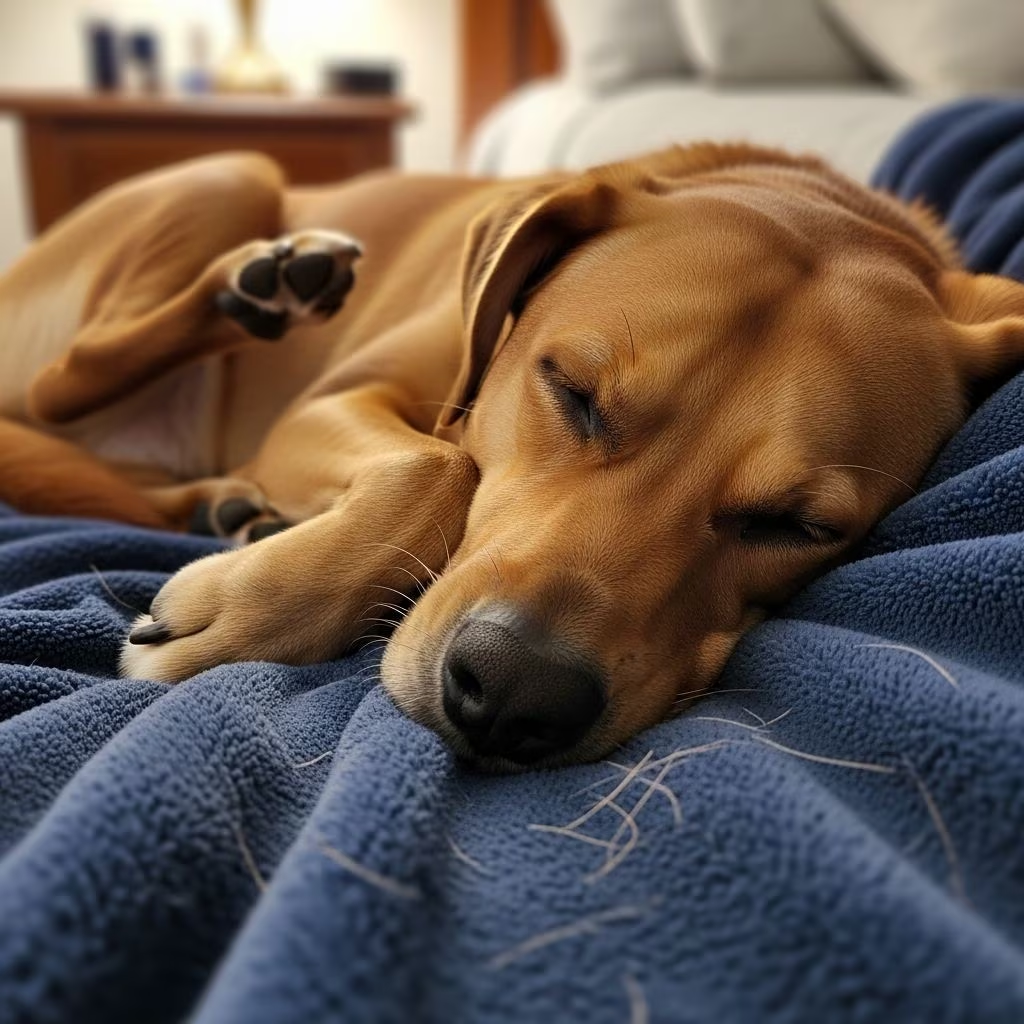
Dogs often exhibit twitching movements while asleep, which can range from subtle leg paddles to more noticeable jerks. These behaviors typically stem from natural sleep processes but may occasionally signal underlying health concerns. Understanding the distinction helps owners respond appropriately.
Understanding Normal Sleep Patterns in Dogs
Dogs cycle through sleep stages similar to humans, spending significant time in REM (Rapid Eye Movement) sleep where dreaming occurs. During REM, brain activity increases, mimicking wakefulness, but a mechanism in the brainstem inhibits full muscle movement to prevent acting out dreams. Twitching happens when this inhibition is incomplete, allowing minor muscle activations like paw flexing or facial twitches.
Puppies and senior dogs experience more pronounced twitching. Young dogs enter REM more frequently to process rapid brain development and learning, while older dogs may have less efficient neural controls. Adult dogs average 12-14 hours of sleep daily, with twitching most evident in relaxed, stretched positions rather than curled ones that maintain muscle tension.
- REM Dreaming: Primary cause, with legs paddling as if chasing prey.
- Position Impact: Side-sleepers twitch more due to muscle relaxation.
- Age Factors: Puppies and seniors show increased activity.
Common Benign Causes of Twitching
Beyond dreaming, environmental and physiological factors contribute to harmless twitching. External noises like thunder or fireworks can rouse a dog partially, prompting reflexive movements without full awakening. Cold temperatures may cause shivering to generate heat, especially in small breeds or short-coated dogs curling up.
Physical exhaustion from play or exercise leads to muscle relaxation twitches as the body recovers. Enrichment activities, like puzzle toys or agility training, stimulate the brain, resulting in vivid dream reenactments during sleep. These episodes last 5-10 seconds and resolve easily upon gentle waking.
| Cause | Description | Typical Duration |
|---|---|---|
| Dreaming | Brain processing daily events | 5-30 seconds |
| Noise Stimulation | Partial arousal from sounds | Brief jerks |
| Cold Shivering | Body heat generation | Intermittent |
| Post-Exercise | Muscle recovery spasms | Short bursts |
When Twitching Signals Health Problems
Not all twitching is innocuous. Prolonged or violent episodes may indicate medical issues requiring veterinary attention. Distinguishing normal from abnormal involves observing intensity, duration, and accompanying symptoms.
Seizures and Neurological Disorders
Seizures differ markedly from dream twitches: they involve whole-body convulsions, loss of consciousness, drooling, urination, paddling lasting over a minute, and post-event disorientation. Epilepsy, a common neurological condition, can manifest during sleep. Other disorders like degenerative myelopathy affect nerve signals, causing rhythmic tremors.
Metabolic and Systemic Issues
Hypoglycemia (low blood sugar) affects small breeds and active dogs, leading to tremors as energy depletes. Diabetes, kidney/liver disease, and heart conditions disrupt electrolyte balance, prompting spasms. Infections (viral, bacterial, parasitic) or toxins like rodenticides and xylitol cause tremors alongside lethargy or vomiting.
- Hypoglycemia: Common in puppies; rapid onset.
- Toxin Exposure: Pesticides, human foods; emergency.
- Organ Failure: Gradual symptoms like weight loss.
Musculoskeletal and Age-Related Concerns
Arthritis stiffens joints, causing painful spasms during position shifts in sleep. Cognitive dysfunction in seniors mimics twitching through anxiety processing, with added whining or pacing upon waking.
How to Differentiate Normal Twitching from Emergencies
Monitor episodes closely: normal twitching is localized (e.g., legs), brief, and allows easy waking with no distress. Problematic signs include rigidity, vocalization, paddling beyond 30 seconds, or clustering multiple events nightly.
| Normal Twitching | Potential Problem |
|---|---|
| Localized to limbs | Whole-body involvement |
| Wakes easily, alert | Hard to rouse, confused |
| No bodily fluids | Drooling, urination |
| Infrequent, short | Frequent, prolonged |
Video episodes for your vet, noting sleep position, environment, and recent activities. Track patterns over days to identify triggers.
Practical Tips for Managing Dog Sleep Twitches
Create a calm sleep environment: use quiet rooms, comfortable bedding, and consistent routines to minimize disturbances. Ensure proper nutrition to prevent metabolic issues; small breeds benefit from frequent small meals. Regular exercise promotes deep sleep without exhaustion.
For seniors or twitchy puppies, provide orthopedic beds for joint support. Avoid waking abruptly during mild episodes to prevent disorientation. If anxiety-related, introduce calming aids like pheromone diffusers after vet approval.
- Observe and record episodes.
- Maintain stable feeding/exercise schedules.
- Optimize sleep area for comfort.
- Consult vet for persistent concerns.
FAQs on Dog Sleep Twitching
Is it normal for puppies to twitch a lot in sleep?
Yes, puppies twitch more due to frequent REM cycles aiding brain development. This decreases as they mature.
Should I wake my dog if twitching seems intense?
Only if accompanied by distress signs like stiffness or vocalizing. Otherwise, let them sleep to avoid stress.
Can diet affect sleep twitching?
Imbalanced diets leading to low blood sugar or electrolytes can. Feed age-appropriate, high-quality food.
What if my senior dog suddenly starts twitching more?
Age-related decline or cognitive issues may contribute; vet evaluation rules out treatable conditions.
Does breed influence twitching frequency?
Small breeds risk hypoglycemia; active breeds dream vividly from stimulation.
Steps to Take if Concerned
Schedule a vet visit for bloodwork, neurological exams, or toxin screens if symptoms persist. Early intervention for issues like epilepsy improves outcomes via medications. Most twitching proves benign, enhancing owner-pet bonds through attentive care.
References
- Why Do Dogs Twitch in Their Sleep? — PetMD. 2023. https://www.petmd.com/dog/general-health/why-do-dogs-twitch-their-sleep
- Why Do Dogs Twitch in Their Sleep? — American Kennel Club (AKC). 2024. https://www.akc.org/expert-advice/advice/why-dog-twitch-in-sleep/
- My Dog is Twitching While Sleeping: Should I Worry? — Hill’s Pet Nutrition. 2023. https://www.hillspet.com/dog-care/behavior-appearance/dog-twitching-during-sleep
- Dog Twitching In Sleep? Why It Happens (And When To Worry) — Tractive. 2024. https://tractive.com/blog/en/health/dog-twitching-in-sleep
- Dog Sleep Tremors: What’s Normal and When to Worry — Halo Collar. 2023. https://www.halocollar.com/blog/dog-health/health-care/dogs-sleep-tremors/



