

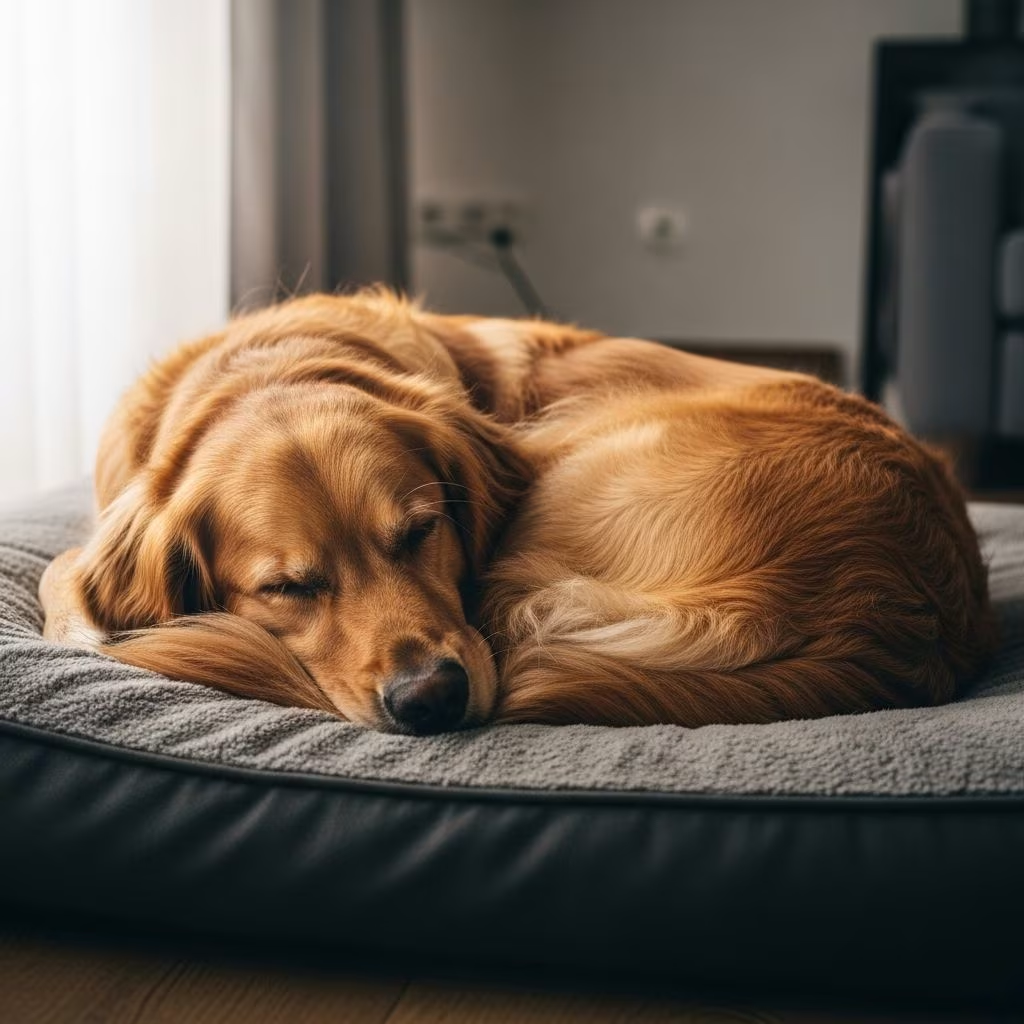
Dogs spend a significant portion of their lives sleeping, often up to 12-14 hours a day for adults and even more for puppies. Their chosen sleep postures offer valuable clues about their physical comfort, emotional state, and overall well-being. By observing these positions, owners can gain insights into whether their pet feels secure, is conserving warmth, or potentially signaling health concerns.
Why Dogs Sleep in Specific Ways
Canine sleep patterns evolved from wild ancestors who needed positions that balanced rest with readiness for threats. Modern dogs retain these instincts, adapting them to home environments. Factors like temperature, age, breed, and trust levels influence choices. For instance, a 2020 study on dog sleep behaviors found that 84.2% of dogs prefer stretching out on their side, reflecting a sense of safety.
Understanding these postures helps owners create optimal sleeping spaces, such as providing cooling mats for hot sleepers or cozy dens for burrowers. It also aids in early detection of issues like joint pain or respiratory problems.
Common Sleep Postures and Their Insights
Here are the most frequently observed dog sleep positions, each with distinct implications drawn from veterinary observations and research.
Extended Side Sleeping
This posture involves the dog lying fully on one side with legs stretched out straight, resembling a relaxed human nap. It’s prevalent among puppies, seniors with arthritis, and generally content adults. The exposure of the belly and limbs signals profound relaxation and environmental trust, as muscles are loose enough for deep REM sleep, often accompanied by twitching or dreaming.
Veterinarians note this as the ultimate sign of comfort, where dogs feel no need for defensive curling. In surveys, it tops the list at over 84% prevalence, underscoring its normalcy. If a dog suddenly avoids this, it might indicate discomfort from illness or stress.
The Curled Ball or Donut
Dogs form a tight circle with nose near tail, paws tucked in, and tail often draped over the body. This conserves body heat by minimizing exposed surface area, ideal for cooler nights or chilly breeds like Huskies. It also protects vital organs, a holdover from wild times, and appears in 63.6% of dogs per cohort studies.
Newly adopted or anxious dogs favor it as they acclimate, gradually shifting to looser poses as security grows. Experts link it to self-soothing, especially in colder settings or during transitions.
Superman or Sploot
Flat on the belly with front legs extended forward and hind legs back, this playful stance is common in energetic puppies and young dogs. It allows quick springs to action, perfect for those dozing between zoomies. High-energy breeds like Labs often default here during daytime rests.
While adorable, it suggests the dog isn’t in deep sleep, prioritizing play readiness over full recharge. Owners might see more of it after incomplete exercise sessions.
Belly-Up with Paws Skyward
Lying supine with all four paws in the air and belly fully exposed, this vulnerable pose screams ultimate trust. Dogs only risk it in safe havens, as it leaves defenses down. It also aids cooling, since paws and belly are key sweat and heat-release areas.
Seen in about 40% of dogs, it’s a favorite for overheated pets or those deeply bonded to owners. Snoring or gentle kicks often accompany it, confirming relaxation.
Lion or Sphinx Rest
Head resting on front paws with rear legs tucked or splayed, this upright doze mimics watchful statues. Muscles remain somewhat engaged, preventing full slumber—ideal for light nappers alert to sounds. It’s a stress-relief midpoint between awake and asleep, common when energy lingers.
Dogs transition from this to side-sleeping as fatigue deepens. Frequent adoption might mean insufficient downtime or mild unease.
Burrowing Under Covers
Seeking blankets, pillows, or laundry piles, burrowers create warm, enclosed nests. This mimics denning instincts for security and temperature control. Anxious dogs benefit, as pressure mimics swaddling shirts proven to reduce nerves.
Breeds like Dachshunds or those from cold climates prefer it year-round. Ensure safe fabrics to avoid overheating.
Leaning or Back-to-Back Contact
Pressing against owners or other pets while sleeping fosters bonding. Puppies pile this way for warmth and reassurance; adults do it for affection. It’s a compliment, indicating the dog views you as pack.
This strengthens relationships, releasing oxytocin in both dog and human.
Cooling on Hard Surfaces
Sprawling on tile, concrete, or cool floors with belly down, dogs here combat heat. Variations include superman or lion poses pressed flat. brachycephalic breeds like Bulldogs often need this in warm weather.
Provide chilled mats if natural surfaces aren’t available.
Elevated Head and Neck
Propping head on cushions or bed edges eases breathing. While comfy for some, persistent use flags potential heart or respiratory issues, warranting vet checks.
How Age and Breed Influence Sleep Styles
| Age/Breed Group | Preferred Positions | Reasons |
|---|---|---|
| Puppies | Superman, curled ball, leaning | Growth spurts demand quick-play readiness; litter habits persist. |
| Adults | Side, belly-up, lion | Balanced rest with security; activity levels dictate. |
| Seniors | Side extended, elevated head | Joint relief; breathing aids for age-related conditions. |
| Short-haired/Brachycephalic | Cooling surfaces, belly-up | Heat regulation challenges. |
| Thick-coated/Cold-climate | Donut, burrowing | Heat conservation. |
These preferences evolve; track changes for health monitoring.
Health Signals from Sleep Changes
Sudden shifts—like from side to curled—may signal pain, anxiety, or illness. Stiffness preventing extension hints at arthritis; labored breathing in elevated poses needs evaluation. Twitching is normal dreaming, but violent shaking or snoring warrants checks.
Consult vets if positions correlate with lethargy, appetite loss, or discomfort. Optimal sleep: 10-13 hours for adults, more for young/old.
Optimizing Your Dog’s Sleep Environment
- Temperature control: Fans, AC, or heated/cooled beds match posture needs.
- Bed variety: Orthopedic for joints, bolsters for burrowers, flat for splooters.
- Quiet zones: Crates or corners reduce disturbances.
- Routine: Consistent bedtime aids deeper rest.
- Exercise: Daytime activity promotes tired, healthy sleep.
Experiment to find what elicits the most relaxed poses.
Frequently Asked Questions
Why does my dog sleep with head off the bed?
This dangling pose aids cooling or comfort but monitor for neck strain.
Is twitching while sleeping normal?
Yes, it indicates REM dreaming, mimicking running or hunting.
What if my dog never uncurls?
Possible anxiety or cold; gradually build trust with safe spaces.
Do all dogs dream?
Yes, larger breeds more vividly; puppies relive experiences.
How much should puppies sleep?
18-20 hours daily, in short bursts matching energy cycles.
Enhancing the Human-Dog Bond Through Sleep
Inviting co-sleeping (safely) boosts trust, as contact poses show. Observe nightly to deepen understanding—your dog’s sleep is a window to their world.
References
- Sleep Duration and Behaviours: A Descriptive Analysis of a Cohort… — PMC/NCBI. 2020-07-21. https://pmc.ncbi.nlm.nih.gov/articles/PMC7401528/
- 10 Dog Sleeping Positions + Their Adorable Meanings — Casper Blog. 2023. https://casper.com/blogs/article/dog-sleeping-positions
- What Your Dog’s Sleeping Position Says About Them — ElleVet Sciences. 2022. https://www.ellevetsciences.com/blog/what-your-dogs-sleeping-position-says-about-them/
- Dog sleeping positions decoded — VCA Animal Hospitals. 2024. https://vcahospitals.com/resources/behavior-dog/dog-sleeping-positions-decoded
- The Most Common Dog Sleeping Positions Explained — Sleepopolis. 2023. https://sleepopolis.com/education/dog-sleeping-positions-explained/



