
Dog Sleep Essentials
Discover how much sleep your dog truly needs, factors influencing rest patterns, and tips to optimize canine sleep for better health and behavior.
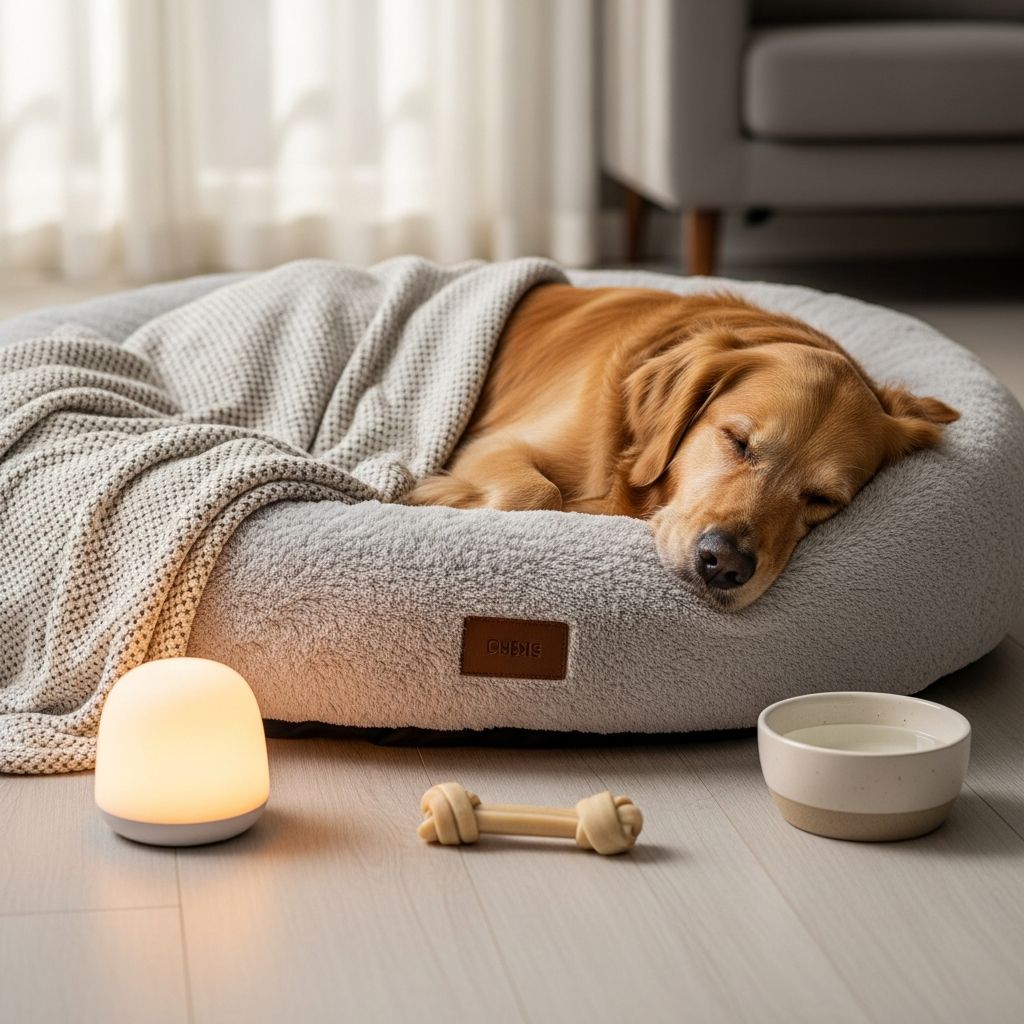
Canines, like humans, spend a significant portion of their lives asleep, with rest playing a crucial role in physical recovery, mental sharpness, and emotional balance. Adult dogs typically require 12 to 14 hours of sleep per day, though this varies by age, size, activity level, and health status. Puppies and seniors often need more, while factors like owner interaction and sleeping environment can profoundly influence sleep quality and duration.
The Science Behind Canine Sleep Cycles
Dogs experience sleep in stages similar to humans, including light sleep, deep non-REM sleep for bodily repair, and REM sleep linked to dreaming and memory processing. Research using actigraphy—wearable devices tracking movement—reveals distinct daily patterns in healthy adults. A study of 42 dogs aged 2-8 years found bimodal activity peaks: a brief morning surge from 8-10 a.m. and a longer evening period from 5-11 p.m., with elevated activity on weekends due to increased human presence. This indicates dogs synchronize their wakefulness with family routines, resting more during workdays.
Polysomnography, which measures brain waves, further illuminates macrostructure differences. When separated from owners in unfamiliar settings, dogs exhibit longer sleep onset (latency), reduced efficiency, and less deep non-REM time—key for restoration. Conversely, owner proximity shortens fall-asleep time and boosts deep sleep, underscoring attachment bonds. These findings highlight how social context shapes rest, with implications for behavior and health.
Sleep Needs Across Life Stages
Sleep demands evolve as dogs age, reflecting growth, energy, and decline phases. Here’s a breakdown:
- Puppies (0-3 months): Up to 20 hours daily, mostly in short bursts for rapid development and immune building.
- Junior Dogs (3-12 months): 14-18 hours, balancing exploration with naps to support training and muscle growth.
- Adults (1-7 years): 12-14 hours, with active breeds needing less total rest but consistent cycles.
- Seniors (8+ years): 13-15 hours or more, compensating for reduced mobility and cognitive shifts.
A caregiver survey linked insufficient nighttime sleep—under 6 hours while owners are abed—to heightened problem behaviors, while extremes over 12 hours also correlated with issues, suggesting an optimal 8-10 hour window.
| Life Stage | Avg. Daily Sleep | Key Influences |
|---|---|---|
| Puppy | 18-20 hrs | Growth spurts, frequent feeds |
| Adult | 12-14 hrs | Exercise, routine |
| Senior | 13-18 hrs | Arthritis, cognition |
How Breed, Size, and Lifestyle Affect Rest
Smaller breeds like Chihuahuas often sleep more due to higher metabolisms, while giants like Great Danes rest deeply but briefly. Working dogs—herders or hunters—may log fewer hours during tasks but crash longer post-exertion. Urban apartment dwellers versus rural roamers show variations too; city pups nap more from stimulus overload.
Daytime sleep averages 4-6 hours when owners are absent, contrasting shelter dogs’ scant 14-37 minutes, emphasizing home comfort’s role. Obesity, pain, or anxiety disrupts cycles, mimicking human insomnia.
The Role of Environment in Quality Sleep
Co-sleeping debates rage, but data favors it for many. Dogs with owners present achieve 58% higher efficiency in novel spots, with attachment-secure pups benefiting most. Quiet, dark crates mimic dens, promoting security. Avoid disruptions like loud TVs or variable bedtimes, which fragment REM phases vital for learning.
Interestingly, brain scans reveal dogs process training during naps. After learning English commands, EEGs captured sleep spindles—9-16 Hz bursts tied to memory consolidation—correlating with retention success. Thus, undisturbed rest post-training enhances vocabulary and skills.
Signs Your Dog Isn’t Getting Enough Zzz’s
Watch for hyperactivity, irritability, or clinginess—hallmarks of sleep debt. Excessive daytime lethargy, weight gain, or poor appetite signal oversleep from underlying issues like hypothyroidism. Behavioral surveys tie short nights to aggression or anxiety spikes.
- Yawning excessively or pacing at night
- Cranky responses to routine handling
- Declining interest in play or food
- Frequent waking or shallow breathing
Practical Strategies to Boost Canine Sleep
Establish rituals: evening walks tire bodies, dim lights cue melatonin. Comfortable bedding—orthopedic for seniors—prevents aches. Limit water pre-bed to curb potty breaks.
- Consistent schedule: Bed by 10 p.m., up at 7 a.m.
- Mental exercise: Puzzles before rest for deeper slumber.
- Calm space: White noise machines drown urban din.
- Health checks: Vet for sleep apnea or joint pain.
For multi-dog homes, separate anxious pairs to ensure individual rest. Track via apps mimicking actigraphy for patterns.
Sleep’s Link to Longevity and Learning
Beyond refreshment, quality sleep fortifies immunity and cognition. Spindle-rich naps solidify lessons, paralleling human benefits. Chronic deprivation mimics cognitive dysfunction, with older dogs showing pain-altered cycles detectable via modeling. Prioritizing rest extends vitality.
FAQs on Dog Sleep
How many hours should my adult dog sleep?
12-14 hours total, including 8-10 at night.
Is it okay for my dog to sleep with me?
Yes, often improving their efficiency via attachment.
Why does my puppy sleep so much?
Supports explosive growth; expect 18+ hours.
Can lack of sleep cause behavior problems?
Absolutely—under 6 nighttime hours links to severity increases.
Do working breeds need less sleep?
They adapt but require recovery naps post-duty.
Monitoring and Adjusting for Optimal Rest
Use journals or wearables to log habits, noting correlations with mood or stool quality. Seasonal shifts—longer winter sleeps—are normal. Consult vets for supplements like melatonin if anxiety persists, but prioritize lifestyle tweaks.
In summary, attuned sleep fosters thriving companions. By understanding cycles and cues, owners unlock peak performance and joy.
References
- Study Sets Baseline for Sleep Patterns in Healthy Adult Dogs — North Carolina State University News. 2020-12-15. https://news.ncsu.edu/2020/12/study-adult-dogs-sleep/
- Family Dogs’ Sleep Macrostructure Reflects Worsened … – PMC – NIH — PubMed Central. 2024. https://pmc.ncbi.nlm.nih.gov/articles/PMC12608857/
- Sleep Characteristics in Dogs; Effect on Caregiver-Reported … – PMC — PubMed Central. 2022. https://pmc.ncbi.nlm.nih.gov/articles/PMC9312228/
- Brain scans show dogs learn when sleeping—just like people — Science.org. 2022-10-19. https://www.science.org/content/article/brain-scans-show-dogs-learn-when-sleeping-just-people
Similar Articles








Read full bio of medha deb




