

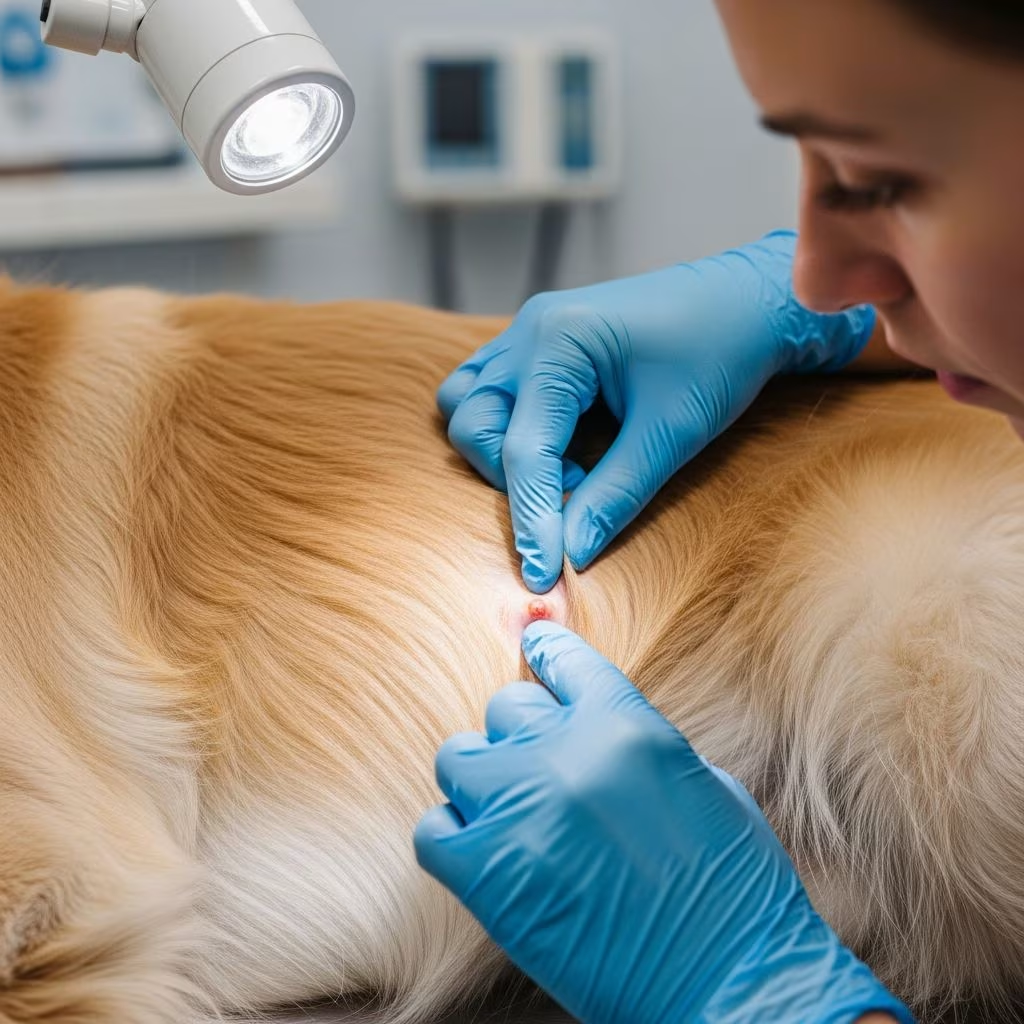
Understanding Dog Skin Tumors: A Comprehensive Guide
Dog skin tumors are among the most common health concerns pet owners encounter. These growths can range from benign fatty lumps to serious malignant cancers that require immediate veterinary attention. Understanding the different types of skin tumors, their characteristics, and available treatment options is essential for every dog owner. Early identification and prompt veterinary care can significantly improve your dog’s prognosis and quality of life.
Types of Skin Tumors in Dogs
Canine skin tumors vary widely in their nature, growth patterns, and treatment requirements. Some are completely harmless, while others require aggressive intervention. Here are the most common types you should be aware of:
Mast Cell Tumors
Mast cell tumors (MCTs) are the most common canine skin tumor, representing a significant portion of skin cancer cases in dogs. These tumors arise on or just below the skin surface, though they occasionally develop inside the chest or abdominal cavities. Mast cell tumors typically appear as raised, sometimes reddish bumps that may fluctuate in size. Some may ulcerate and bleed, while others remain covered with normal skin.
The unpredictable nature of mast cell tumors makes them particularly concerning. While some remain benign and grow slowly, others can be aggressive and spread to other parts of the body. A persistent swelling on or under the skin is a warning sign that should prompt veterinary evaluation.
Melanomas
Melanomas arise from pigment-producing cells called melanocytes. These tumors are the most common tumor found in the mouth of dogs, though they can occur elsewhere on the skin. Most melanomas in dogs are dark and pigmented and may bleed easily. Unlike in humans, melanomas in dogs are not associated with sun exposure.
The distinction between benign and malignant melanomas is crucial. Most melanomas occurring on the skin are benign and can be cured with surgery alone. However, malignant melanomas can be aggressive and spread to local lymph nodes and lungs, requiring additional treatment with chemotherapy and/or immunotherapy.
Squamous Cell Carcinoma
Squamous cell carcinoma is the most commonly diagnosed form of skin cancer in dogs. This type typically affects older animals and is often seen in certain breeds including Dalmatians, Beagles, Whippets, and White Bull Terriers. These tumors appear as firm, raised, wart-like patches or lumps, often with a surface resembling a wart. They commonly develop in areas with less hair and more sun exposure, particularly on the head, lower legs, rear, and abdomen.
Some squamous cell carcinomas appear as crusty, bleeding sores that don’t heal. The growth pattern can be unpredictable, with some tumors remaining relatively stable while others grow outward into large masses. Sun exposure may be a contributing factor, though there could also be a link to papillomavirus.
Skin Gland Tumors
Tumors originating from skin glands, particularly sebaceous glands, represent another category of canine skin cancer. Most malignant glandular tumors can be treated with surgery alone. However, if tumors are incompletely excised, radiation therapy is recommended to prevent recurrence. Dogs with malignant gland tumors should be screened for evidence of disease spread via chest X-rays and regional lymph node aspirates.
Hair Follicle Tumors
Hair follicle tumors comprise another category of skin tumors in dogs. These tumors originate from the hair follicles and require proper diagnosis to determine the appropriate treatment approach. Like other skin tumors, hair follicle tumors may require surgical removal and histopathological evaluation to determine if additional treatment is necessary.
Lipomas (Benign Fatty Tumors)
Lipomas are common benign fatty tumors that feel soft and movable under the skin. They are usually found under the skin of middle-aged to older dogs. These growths typically develop on the chest, abdomen, or legs and grow slowly without causing pain when touched, though they can become quite large. While benign, lipomas that interfere with movement or comfort may require surgical removal.
Epitheliotropic Lymphoma
While technically not a skin tumor, epitheliotropic lymphoma is a common cancer that occurs in the superficial layers of the skin. This is a blood-borne cancer of lymphocytes, a type of white blood cell. Lymphocytes are found throughout the body, including the skin, where they provide protection against pathogens. The condition is diagnosed via biopsy of affected skin regions, with chemotherapy being the treatment of choice.
Identifying Skin Tumors in Your Dog
Early identification of skin tumors is critical for successful treatment. As a pet owner, you should regularly examine your dog’s skin for any unusual growths or changes. Here are key signs to watch for:
Visual Indicators
– Raised bumps or nodules on the skin surface- Changes in skin color or texture- Bleeding, oozing, or ulcerated areas- Lumps or masses that appear suddenly or grow rapidly- Scaly or crusty patches that don’t heal- Swelling under the skin that persists- Areas of hair loss or bald patches
Behavioral Indicators
– Excessive licking or scratching at a particular area- Sensitivity or pain when the area is touched- Signs of infection such as pus or drainage- Changes in your dog’s overall health or energy level
Diagnosis of Canine Skin Tumors
Proper diagnosis is essential for determining the best treatment approach. Your veterinarian will use several diagnostic methods to evaluate any suspicious growths on your dog’s skin.
Fine Needle Aspiration Biopsy
Initial evaluation typically involves a fine needle biopsy of the tumor. For a mast cell tumor diagnosis, a small needle sample of the tumor is examined under the microscope. This minimally invasive procedure provides valuable information about the tumor’s cell composition.
Core Biopsy
A core biopsy may be collected if a fine needle biopsy is not providing a clear diagnosis. This procedure involves removing a small tissue sample for more detailed analysis.
Histopathological Evaluation
Once a growth is removed from your dog’s skin, it must be submitted for evaluation by a veterinary pathologist. This is the best way to determine if further treatment is necessary. For mast cell tumors, a pathologist will review the sample and assign a “grade” to the tumor. The grade is the best predictor of whether follow-up testing and treatment is recommended.
Staging and Additional Testing
Once a tumor is diagnosed, staging tests help assess how extensive the disease is within the body. These may include:
– Chest X-rays to detect lung involvement- Abdominal ultrasound to check for internal organ spread- Fine needle biopsy of regional lymph nodes- Complete blood count and chemistry profile- Urinalysis to evaluate internal organ health- CT scans when masses are identified internally
Treatment Options for Dog Skin Tumors
Treatment approaches vary depending on the tumor type, grade, location, and stage of disease. Your veterinarian will develop a personalized treatment plan based on your dog’s specific situation.
Surgical Removal
Surgical removal is the primary treatment for most skin tumors. Many skin tumors can be cured with early surgical removal. For mast cell tumors, surgical removal is recommended for all confirmed cases. The majority of dogs are cured with surgery alone, with about 30% of mast cell tumors in dogs requiring follow-up treatment.
The extent of surgical removal depends on the tumor type and grade. Low-grade mast cell tumors are usually cured with complete excision, whereas high-grade tumors may require wider margins of healthy tissue to be removed. For squamous cell carcinomas, surgery removes the primary tumor, and incompletely excised tumors can be treated with radiation therapy to prevent regrowth.
Chemotherapy
Chemotherapy may be recommended for high-grade or aggressive tumors. For mast cell tumors, the oncology team may discuss chemotherapy with vinblastine and prednisone. Some dogs with multiple cutaneous squamous cell carcinomas may require medical treatment with either oral or topical drugs.
Radiation Therapy
Radiation therapy utilizes targeted high-energy rays to damage the DNA of cancer cells, eventually causing them to die. This treatment is particularly valuable for dog tumors in locations where surgery isn’t possible or would be too disfiguring. Radiation is also used after surgery when complete removal wasn’t possible or for certain highly aggressive tumors.
Treatment typically involves multiple short sessions over several weeks, with each session lasting only minutes but requiring brief anesthesia. While effective, radiation therapy requires specialized equipment and is usually available only at larger veterinary hospitals or specialty centers.
Targeted Drug Therapy
Targeted medications like Palladia have been developed to treat certain canine tumors. This medication may be discussed by your oncology team as part of a comprehensive treatment plan.
Immunotherapy
Immunotherapy represents one of the newer approaches to treating certain types of dog tumors by helping the body’s immune system recognize and attack cancer cells. These treatments can include cancer vaccines, monoclonal antibodies, or immune-modulating drugs that enhance the body’s natural defenses against cancer.
Immunotherapy shows promising results for melanoma and some forms of lymphoma. For malignant melanomas, additional treatment with immunotherapy such as a melanoma vaccine known as Oncept® may be considered. The side effects of immunotherapy are often milder than traditional chemotherapy, making this an appealing option for older dogs or those with certain health complications.
Palliative Care
When curative treatment options are not viable or have been exhausted, palliative care focuses on maintaining your dog’s comfort and quality of life. Your veterinarian can discuss options that prioritize pain management and your dog’s well-being.
Prognosis and Recovery
The prognosis for dogs with skin tumors varies significantly depending on several factors:
Factors Affecting Prognosis
– Tumor type and classification (benign vs. malignant)- Tumor grade (for mast cell tumors and others)- Stage of disease at diagnosis- Whether the tumor has spread to other areas- Your dog’s overall health status- Response to treatment
Low-grade mast cell tumors are usually cured with complete excision. Benign melanomas and most squamous cell carcinomas can be cured with surgery alone. However, high-grade tumors are more likely to grow back and spread to distant sites in the body.
Prevention and Early Detection
While not all skin tumors can be prevented, you can take steps to protect your dog and catch problems early:
– Perform regular skin examinations of your dog, especially older dogs- Limit sun exposure, particularly for breeds at higher risk for squamous cell carcinoma- Maintain regular veterinary check-ups- Report any new lumps, bumps, or skin changes to your veterinarian immediately- Keep your dog at a healthy weight- Provide proper nutrition and maintain good overall health
Frequently Asked Questions
Q: What should I do if I find a lump on my dog’s skin?
A: Schedule an appointment with your veterinarian as soon as possible. Early evaluation is important for determining whether the growth requires treatment. Your vet may recommend a fine needle aspiration or biopsy to determine the nature of the growth.
Q: Are all skin tumors in dogs cancerous?
A: No, many skin tumors are benign. Lipomas, sebaceous adenomas, and nevi are examples of benign growths. However, only a veterinary pathologist can definitively determine whether a tumor is benign or malignant through microscopic examination.
Q: Can skin tumors in dogs be cured?
A: Many skin tumors can be cured, especially when caught early and treated appropriately. Most benign tumors can be cured with surgery alone. The curability of malignant tumors depends on the type, grade, and stage of the disease.
Q: What is the recovery time after surgical removal of a skin tumor?
A: Recovery time varies depending on the size and location of the tumor and the extent of surgery required. Most dogs recover within 1-2 weeks, though complete healing may take several weeks. Your veterinarian will provide specific post-operative care instructions.
Q: Are certain dog breeds more prone to skin tumors?
A: Yes, certain breeds show increased susceptibility to specific types of skin cancer. For example, squamous cell carcinoma is often seen in Dalmatians, Beagles, Whippets, and White Bull Terriers. Older dogs are also at higher risk for developing skin tumors.
Q: Is chemotherapy painful for dogs?
A: Chemotherapy is not typically painful for dogs. While side effects can occur, they are often manageable. Your veterinary oncologist will discuss potential side effects and ways to manage them to maintain your dog’s quality of life.
Q: How often should I have my dog’s skin checked during and after treatment?
A: Your veterinarian will establish a monitoring schedule based on your dog’s specific situation. Regular check-ups are essential to monitor for recurrence or new growths. This may involve monthly or quarterly visits initially, with adjustments based on your dog’s response to treatment.
References
- Common Types of Cancer in Dogs — UW Veterinary Care. 2024. https://uwveterinarycare.wisc.edu/common-types-of-cancer-in-dogs/
- Medical Oncology: 5 Types of Skin Cancer in Dogs — North Carolina State University College of Veterinary Medicine. 2024. https://hospital.cvm.ncsu.edu/services/small-animals/cancer-oncology/oncology/5-types-of-skin-cancer-in-dogs/
- Common Skin Cancers in Dogs: What Pet Owners Should Know — Tufts University School of Veterinary Medicine. 2024. https://vet.tufts.edu/news-events/news/common-skin-cancers-dogs-what-pet-owners-should-know
- Lumps & Bumps on Dog’s Skin | Atlantic Coast Vet Blog — Atlantic Coast Veterinary Hospital. 2021. https://www.atlanticcoastvet.com/site/blog-long-island-vet/2021/07/15/lumps-on-dog-skin-cancer
- Skin Tumors in Dogs — Animal Surgical Center of Michigan. 2024. https://www.animalsurgicalcenter.com/skin-tumors-in-dogs
- Benign Skin Masses of Dogs — MSPCA-Angell. 2024. https://www.mspca.org/angell_services/benign-skin-masses-of-dogs/



