

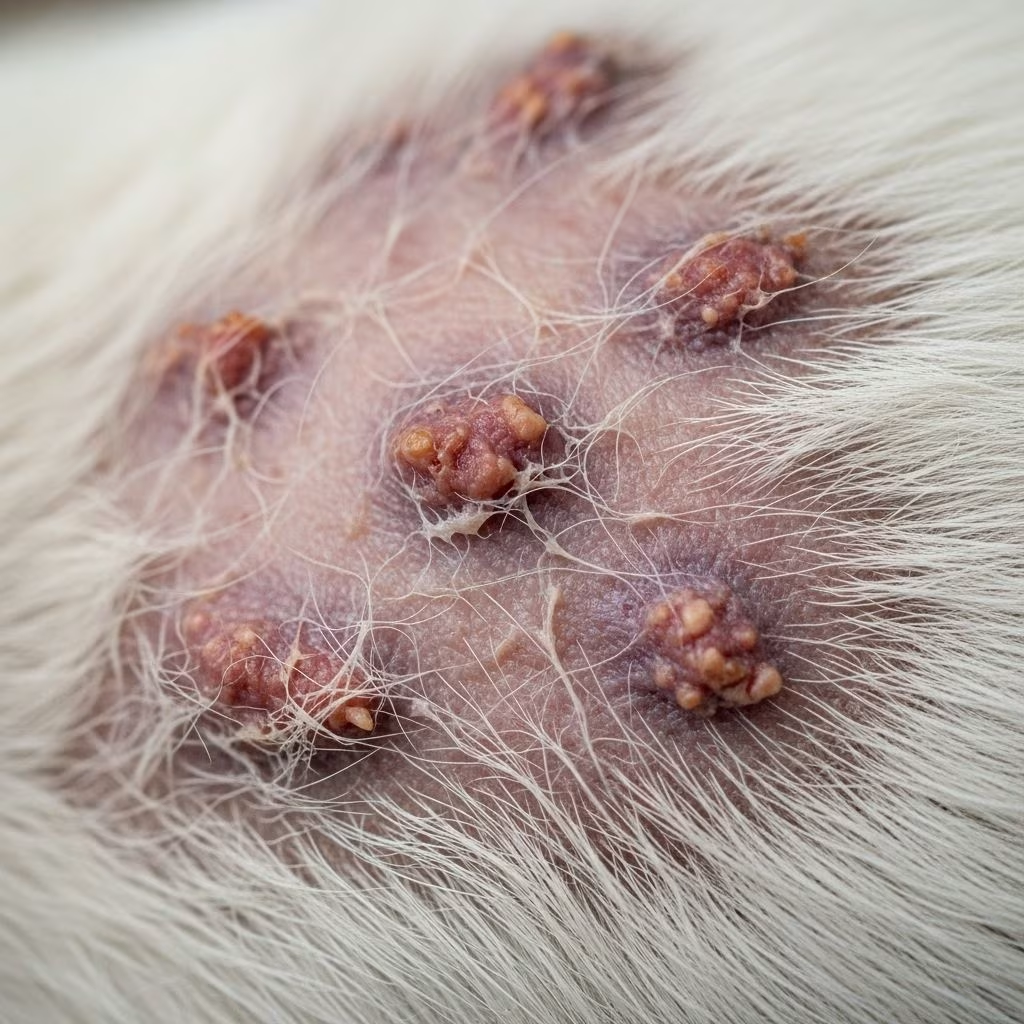
Scabs on a dog’s skin often signal an underlying problem that requires prompt attention to prevent worsening conditions. These crusty formations result from the body’s natural healing response to skin damage, but persistent or widespread scabs can indicate issues like infections, allergies, or parasites.
Understanding Scabs on Canine Skin
Scabs form when blood clots over a wound or irritated area during the healing process. In dogs, this is frequently triggered by excessive scratching, biting, or environmental factors that compromise the skin barrier. Short-haired breeds may show these more visibly, while long-haired ones might exhibit dull coats or hair loss first.
Early detection is crucial because untreated scabs can lead to secondary infections or chronic dermatitis. Observing the location, size, and accompanying symptoms like itching or redness helps in initial assessment.
Primary Causes of Skin Scabs in Dogs
Dogs develop scabs from a range of triggers, broadly categorized into parasites, allergies, infections, trauma, and systemic diseases. Identifying the root cause through veterinary examination is essential for targeted treatment.
Parasitic Infestations
External parasites top the list of scab causes, with fleas being the most prevalent. Even a single flea bite can provoke flea allergy dermatitis in sensitive dogs, leading to intense itching, red bumps, and subsequent scabs from scratching.
- Fleas: Cause hypersensitivity reactions; small bumps near bites turn into scabs.
- Mites (Mange): Sarcoptic or demodectic mites burrow or inflame follicles, producing crusty patches.
- Ticks: Embedded ticks create localized scabs upon removal.
These parasites thrive in warm environments and spread easily, making regular checks vital.
Allergic Reactions and Dermatitis
Allergies affect up to 10-15% of dogs, manifesting as atopic dermatitis with relentless itching that damages skin and forms scabs. Triggers include food proteins, pollen, dust mites, or contact irritants like shampoos.
- Food Allergies: Proteins in beef, chicken, or grains prompt gastrointestinal and skin symptoms.
- Environmental Allergies: Seasonal flare-ups from grasses or molds.
- Contact Allergies: From plastics in bowls or lawn chemicals.
Scratching exacerbates the issue, opening skin to bacteria.
Bacterial and Fungal Infections
Infections often arise secondarily to allergies or injuries. Pyoderma, a bacterial overgrowth, presents as pustules that rupture into scabs, common in wrinkle-faced breeds like Bulldogs.
| Infection Type | Symptoms | Affected Areas |
|---|---|---|
| Bacterial Pyoderma | Pustules, scabs, hair loss | Back, folds, paws |
| Folliculitis | Bumps, scabs around follicles | Trunk, legs |
| Yeast Overgrowth | Greasy, itchy scabs | Ears, paws, armpits |
| Ringworm (Fungal) | Circular scaly scabs | Head, legs |
Folliculitis specifically inflames hair follicles, yielding sores and crusts, often alongside mange or allergies.
Trauma and Physical Damage
Direct injuries from rough play, cuts, or hotspots—self-inflicted moist lesions from allergies—lead to scabs as they dry. Hotspots scab over after initial weeping.
Hormonal and Autoimmune Disorders
Endocrine imbalances like hypothyroidism or Cushing’s disease thin the skin, making it prone to infections and scabs. Autoimmune conditions such as pemphigus cause blistering pustules that crust yellow, often on the head.
- Pemphigus: Immune attack on skin cells.
- Discoid Lupus: Nasal scabs and depigmentation.
- Leishmaniasis: Thickened skin with ulcers (regional concern).
Recognizing Scabs by Location
Scab placement offers diagnostic clues:
- Back and Base of Tail: Classic flea allergy sites.
- Head and Face: Pemphigus, demodex, or vasculitis.
- Paws and Ears: Yeast or atopy hotspots.
- Belly and Groin: Hormonal issues or contact allergies.
Widespread scabs suggest systemic problems like cancer (cutaneous lymphoma) or nutritional deficiencies (zinc-responsive dermatosis).
Diagnosis Process for Dog Scabs
Veterinarians start with a history and physical exam, followed by:
- Skin scrapings for parasites.
- Cytology or biopsies for infections/cancer.
- Allergy testing or elimination diets.
- Bloodwork for hormones.
Advanced imaging or fungal cultures may be needed for stubborn cases.
Treatment Strategies
Treatments target the cause:
- Parasite Control: Topical/oral parasiticides like flea preventives.
- Infection Management: Antibiotics (e.g., cephalexin), antifungals, medicated shampoos.
- Allergy Relief: Antihistamines, steroids, hypoallergenic diets, or immunotherapy.
- Supportive Care: Oatmeal baths, cone collars to prevent scratching, topical ointments.
- Hormonal Therapy: Thyroid supplements or trilostane for Cushing’s.
Avoid home remedies alone; they risk masking issues.
Prevention Tips for Healthy Dog Skin
Maintain skin integrity through:
- Year-round flea/tick prevention.
- Balanced diet rich in omega-3s and zinc.
- Regular grooming and hypoallergenic shampoos.
- Environmental allergen control (HEPA filters, frequent washing).
- Monthly vet check-ups for early detection.
Breed-specific risks, like pyoderma in Shar-Peis, warrant tailored plans.
When to See a Vet Urgently
Seek immediate care if scabs accompany lethargy, fever, spreading redness, foul odor, or non-healing wounds. These signal deep infections or systemic disease.
Frequently Asked Questions (FAQs)
Are scabs on my dog always serious?
No, minor trauma causes temporary scabs, but persistent ones with itching or hair loss need vet evaluation.
Can diet cause scabs?
Yes, food allergies or deficiencies (e.g., zinc) trigger dermatitis leading to scabs. Trial hypoallergenic food under vet guidance.
How long do dog scabs take to heal?
With treatment, 1-2 weeks for simple cases; chronic issues may take months.
Is coconut oil safe for scabbed skin?
It soothes mildly but consult a vet first to avoid infections; not a cure.
Do all itchy dogs develop scabs?
Not always, but unchecked itching often leads to self-trauma and scabs.
Long-Term Skin Health Management
For recurrent scabs, consider allergy testing and desensitization shots. Probiotics support gut-skin axis health. Monitor seasonal changes and adjust preventives accordingly. With diligence, most dogs achieve scab-free, shiny coats.
References
- Scabs on Dogs – Petcube — Petcube. 2023. https://petcube.com/blog/dog-scabs/
- Crusty Scabs on a Dog’s Back: Causes, Treatment, & Prevention — Wild Earth. 2023. https://wildearth.com/blogs/dog-knowledge/crusty-scabs-on-a-dogs-back
- Scabs in dogs: what are the most common causes? — Vets and Clinics. 2023. https://www.vetsandclinics.com/en/library/scabs-in-dogs-what-are-the-most-common-causes
- Common Skin Problems Seen In Dogs — Yolinda Vet. 2022-09-15. https://www.yolindavet.com/site/blog/2022/09/15/skin-problems-dogs
- Common Skin Conditions in Dogs — Catawba Animal. 2023-03-09. https://www.catawbaanimal.com/site/blog/2023/03/09/common-skin-conditions-dogs
- Slideshow: Skin Problems in Dogs — WebMD. 2023. https://www.webmd.com/pets/dogs/ss/slideshow-skin-problems-in-dogs
- 10 Common Skin Issues In Dogs, and When To Worry — PetCareRx. 2023. https://www.petcarerx.com/article/10-common-skin-issues-in-dogs-and-when-to-worry/2731



