

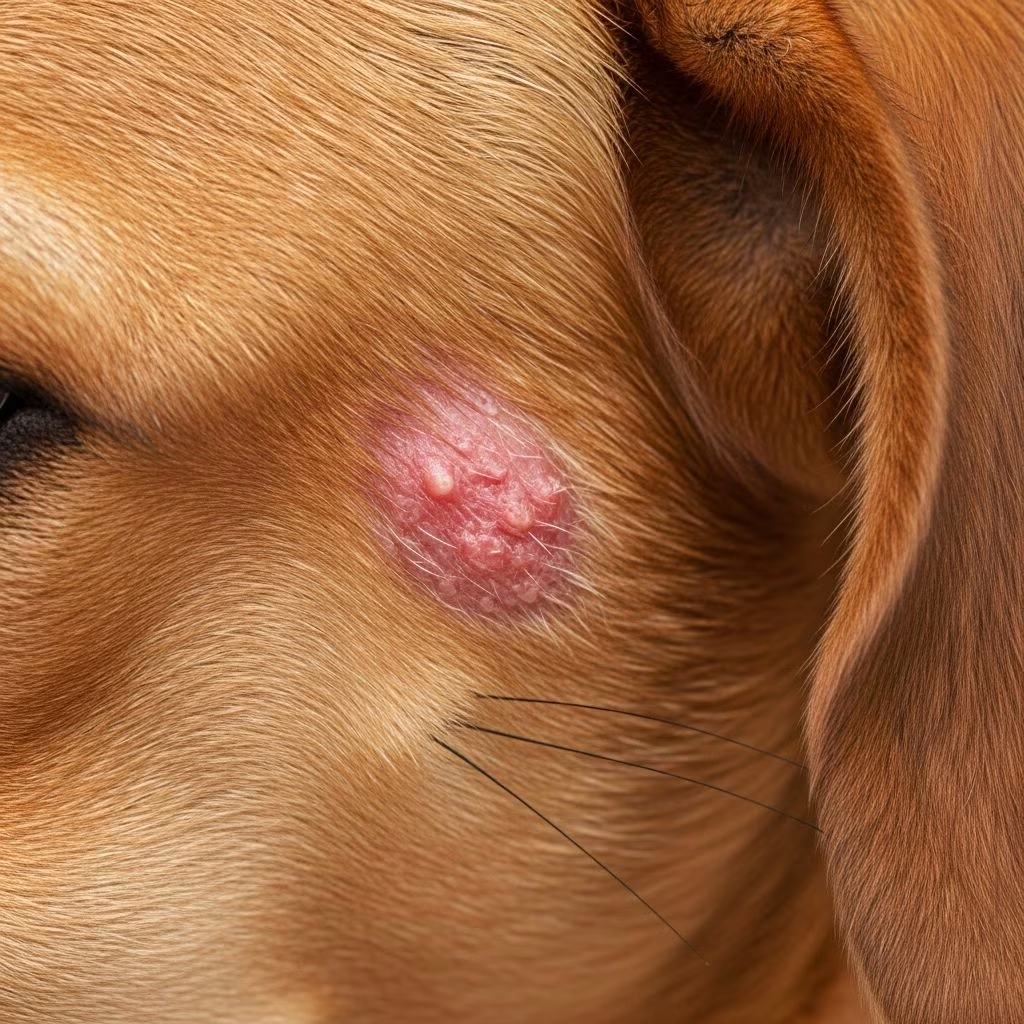
Canine skin rashes affect countless dogs, manifesting as irritated, red patches that cause discomfort and signal underlying health concerns. These conditions range from mild irritations to severe infections, often requiring prompt attention to prevent worsening.
Understanding Canine Dermatitis
Dermatitis in dogs refers to inflammation of the skin, commonly appearing as rashes on the belly, paws, ears, or groin. Unlike human skin, a dog’s coat and thinner epidermis make them prone to rapid escalation if untreated. Factors like genetics, environment, and immune response play key roles in susceptibility.
Primary Triggers Behind Dog Rashes
Skin rashes in dogs stem from diverse origins, each demanding specific management strategies. Identifying the trigger early can significantly improve outcomes.
Allergic Reactions
Allergies top the list of rash causes, with environmental allergens like pollen, dust mites, and mold provoking atopy, a seasonal or year-round itchiness leading to inflamed skin. Food sensitivities, though less frequent, trigger rashes via proteins in beef, chicken, or grains. Contact allergies arise from shampoos, fabrics, or plastics, resulting in localized redness.
Parasitic Infestations
Fleas, ticks, mites, and lice burrow or bite, sparking intense irritation. Flea allergy dermatitis, an overreaction to saliva, causes hot spots—moist, oozing lesions from relentless scratching. Mange from mites leads to hair loss and crusting, while ticks transmit diseases exacerbating skin woes.
Infections and Microbial Overgrowth
Bacterial pyoderma, often secondary to allergies or parasites, forms pustules and scabs. Yeast infections from Malassezia thrive in moist areas, producing greasy, odorous rashes. Fungal issues like ringworm create circular, scaly patches despite not being a true worm.
Environmental and Physical Irritants
Overheating prompts heat rash with red bumps, especially in thick-coated breeds. Sunburn affects light-skinned dogs, while toxic plants, chemicals, or friction from collars cause contact dermatitis. Insect stings or bites introduce venom, swelling tissues rapidly.
Internal Health Imbalances
Hormonal disruptions, such as hypothyroidism or Cushing’s disease, thin the skin and invite infections. Autoimmune disorders like pemphigus attack skin cells, forming blisters. Rarely, cancers or nutritional deficits contribute to chronic dermatitis.
Spotting the Signs Early
Early detection hinges on observing behavioral and visible changes. Common indicators include:
- Redness and Inflammation: Patchy pink to deep red areas signal initial irritation.
- Intense Itching: Scratching, licking, or chewing, often worsening at night.
- Hair Loss (Alopecia): Bald spots from self-trauma or underlying disease.
- Bumps, Pustules, or Blisters: Raised, pus-filled lesions indicating infection.
- Crusting, Scaling, or Greasy Coat: Flaky or oily skin with foul odor.
- Hot Spots: Acute, moist dermatitis from compulsive licking.
- Swelling or Hives: Raised welts from acute allergies, potentially with vomiting.
Chronic cases show thickened, darkened skin or secondary infections, demanding veterinary intervention.
When Belly and Paw Rashes Demand Attention
Belly rashes often link to allergies or parasites due to thin fur coverage, exposing vulnerable skin. Paw licking signals atopy or yeast, as pollen accumulates during walks. Monitor for bleeding, odor, or lethargy, which escalate urgency.
Diagnostic Approaches for Accurate Identification
Veterinarians employ several methods:
- Skin scrapings to detect mites.
- Cytology or biopsies for infections.
- Allergy testing via blood or intradermal methods.
- Flea combing and fecal exams.
- Elimination diets for food trials.
These pinpoint causes, avoiding guesswork.
Treatment Strategies Tailored to the Cause
Remedies target root issues while soothing symptoms. Always consult a vet before home treatments.
Eliminating Triggers
Switch to hypoallergenic diets, flea preventives, or hypoallergenic bedding. Wipe paws post-walks to remove allergens.
Topical Relief
Oatmeal or medicated shampoos calm inflammation. Hydrocortisone creams offer short-term itch relief, guarded by e-collars.
Systemic Medications
Antibiotics tackle pyoderma; antifungals address yeast or ringworm. Corticosteroids or Apoquel reduce severe itching. Antihistamines aid mild allergies.
Bathing Protocols
Weekly medicated baths with chlorhexidine or miconazole control microbes and soothe skin.
Long-Term Management
Omega-3 supplements bolster skin barriers. Immunotherapy desensitizes allergy-prone dogs.
| Cause | Key Symptoms | Treatments |
|---|---|---|
| Allergies | Itch, redness, hives | Antihistamines, diet change, Apoquel |
| Parasites | Hot spots, hair loss | Flea meds, medicated shampoos |
| Infections | Pustules, odor | Antibiotics, antifungals |
| Contact Irritants | Localized rash | Remove source, topical creams |
Preventive Measures for Healthier Skin
Proactive steps minimize recurrence:
- Maintain year-round parasite control.
- Use gentle, dog-specific grooming products.
- Provide balanced diets rich in fatty acids.
- Groom regularly to monitor skin.
- Avoid overheating with shade and cooling mats.
Breeds like Bulldogs, Labs, and Terriers, prone to skin folds, benefit from daily cleaning.
Home Remedies: Safe Options and Limits
Aloe vera gels or coconut oil moisturize mildly, but avoid ingestion. Oatmeal baths are gentle soothers. Never use human products without vet approval, as they risk toxicity.
FAQs on Dog Skin Rashes
Can dog rashes heal on their own?
Mild cases might resolve by removing triggers, but persistent or worsening rashes need professional care to avert complications.
Is a dog rash contagious to humans?
Ringworm and certain mites (Sarcoptes) can transmit; isolate and treat promptly.
How long do treatments take to work?
Improvement often appears in 3-7 days, with full resolution in 2-4 weeks depending on severity.
What if my dog has recurring rashes?
Chronic issues suggest allergies or hormones; pursue allergy testing or endocrine panels.
Are certain breeds more prone?
Yes, Shar-Peis, French Bulldogs, and Retrievers face higher risks due to genetics and coat types.
Seeking Professional Help
If symptoms persist beyond 48 hours, spread, or include fever, appetite loss, or breathing issues, rush to a vet. Delays foster secondary infections and discomfort. Board-certified dermatologists offer advanced diagnostics for tough cases.
By understanding causes and acting swiftly, you safeguard your dog’s skin health, ensuring a happier, itch-free life.
References
- The Common Causes, Symptoms, and Treatments of Dog Rash — Sunshine Pet Hospital. 2023. https://sunshinepethospital.com/the-common-causes-symptoms-and-treatments-of-dog-rash/
- Dog Rash: Common Causes, Symptoms, and Treatments — Bond Vet. 2023. https://bondvet.com/blog/dog-rash
- Skin Rash in Dogs: Causes, Signs, & Treatment — Westmoreland Animal Hospital. 2022-08-19. https://www.westmorelandah.com/site/blog/2022/08/19/skin-rash-dogs
- All You Need to Know about Rashes in Dogs — Parrish Vet Clinic. 2023. https://parrishvetclinic.com/blog/rashes-in-dogs/
- 11 Common Types of Canine Dermatitis and Rashes — LavenGel. 2023. https://lavengel.com/pages/skin-issues-rashes-and-dermatitis
- Dog Rash: Common Causes, Symptoms & Treatments — Purina. 2023. https://www.purina.com/articles/dog/health/skin-fur-ears/dog-rash



