Dog Skin Rashes: Causes and Solutions
Discover the common triggers behind your dog's itchy rashes and learn effective treatments to restore their skin health and comfort.
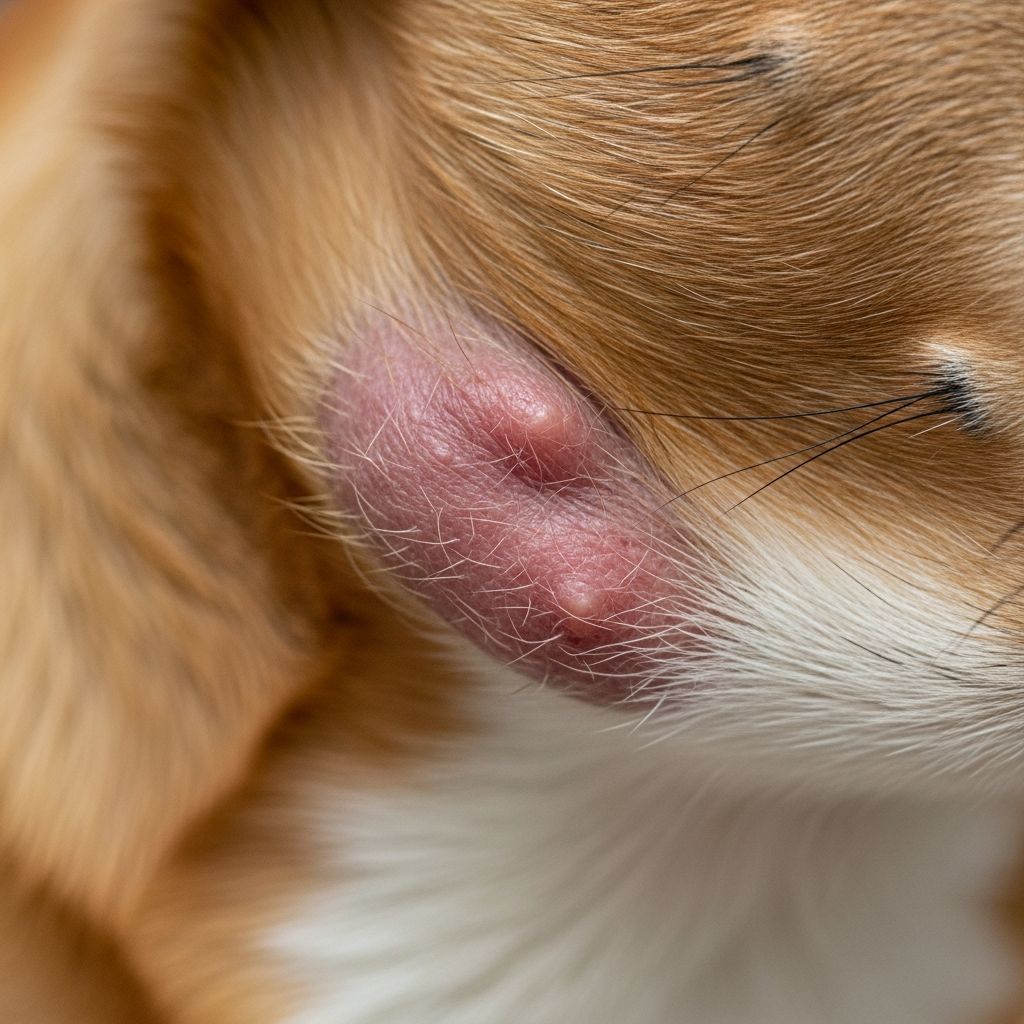
Dog skin rashes manifest as red, inflamed areas that cause discomfort, often leading to scratching, licking, or chewing. These issues stem from various triggers including allergies, parasites, infections, and systemic conditions, requiring prompt identification for effective management.
Recognizing the Signs of Skin Rashes in Dogs
Early detection of skin rashes prevents worsening and secondary complications. Common indicators include persistent itching, redness, hair loss in patches, scabs, pustules, greasy fur, foul odors, and moist inflamed spots known as hot spots. Dogs may show behavioral changes like restlessness, depression, or excessive self-grooming. Areas like the belly, thighs, paws, ears, and armpits are frequent hotspots due to exposure and friction.
- Redness and inflammation: Appears as bright pink or flushed skin, often warm to the touch.
- Itching and irritation: Leads to bald spots from constant scratching.
- Crusting or scaling: Dry, flaky skin that may crack and bleed.
- Odor and discharge: Indicates yeast or bacterial overgrowth.
- Swelling or bumps: Hives from acute reactions or bites.
Monitor for emergency signs such as facial swelling, hives with breathing difficulties, vomiting, or widespread lesions, which demand immediate veterinary attention.
Primary Causes Behind Canine Skin Irritations
Skin rashes in dogs rarely occur in isolation; they signal underlying problems. Allergies top the list, followed by parasites and infections, with rarer systemic diseases contributing.
Allergic Reactions and Environmental Triggers
Allergies provoke the immune system, causing histamine release that inflames the skin. Environmental allergens like pollen, dust mites, mold, and grasses lead to seasonal atopic dermatitis, with symptoms peaking in spring or fall. Food allergies to proteins in beef, chicken, dairy, or grains manifest year-round, often with ear infections or paw biting alongside rashes. Contact allergies from cleaners, shampoos, plants, or plastics cause localized reactions on exposed skin.
Parasites: Fleas, Ticks, and Mites
Even minimal flea presence triggers flea allergy dermatitis in sensitive dogs, resulting in intense itching, red bumps, and hair loss starting at the tail base. Mites cause mange—sarcoptic (highly contagious, intense itch) or demodectic (immune-related, patchy alopecia)—while ticks embed and provoke secondary infections. Regular preventatives are crucial as a single bite can ignite reactions.
Infections: Bacterial and Fungal Culprits
Bacterial infections (pyoderma) arise from skin barrier breaches, forming pustules, scabs, and oozing sores, especially in folds or trauma sites. Yeast (Malassezia) overgrowth thrives in moist areas, producing greasy, elephant-skin textures with yeasty smells. Ringworm, a fungal issue, spreads via spores, causing circular alopecia despite its non-parasitic nature.
Systemic and Less Common Factors
Hormonal imbalances like hypothyroidism (dry, thickened skin) or Cushing’s disease (thinning skin, poor healing) underlie chronic rashes. Autoimmune disorders such as pemphigus or lupus lead to ulcers and blisters. Insect stings, medication reactions, or cancers (e.g., cutaneous lymphoma) present as nodules or hives. Heat, humidity, or poor nutrition exacerbate vulnerabilities.
How Veterinarians Diagnose Rashes
Diagnosis combines history, physical exams, and tests. Vets note rash location, duration, diet changes, flea exposure, and travel.
| Test | Purpose | Common Findings |
|---|---|---|
| Skin Cytology/Scraping | Detects bacteria, yeast, mites | Overgrowth of rods/cocci, Malassezia |
| Fungal Culture | Confirms ringworm | Spores under microscope |
| Bloodwork | Checks hormones, organ function | Low thyroid levels, elevated cortisol |
| Skin Biopsy | Rules out cancer/autoimmune | Cancer cells, inflammation patterns |
| Allergy Testing | Intradermal or serum | Positive reactions to allergens |
Elimination diets (8-12 weeks of novel protein) pinpoint food allergies.
Treatment Strategies for Relief and Recovery
Tailored therapies address root causes, combining topicals, orals, and lifestyle tweaks.
Topical and Bath Therapies
Medicated shampoos with chlorhexidine, miconazole, or oatmeal soothe, fight microbes, and restore barriers. Use 1-2 times weekly; examples include Veterinary Formula or hypoallergenic options. Topical creams like mupirocin (bacterial) or ketoconazole (yeast) suit small areas.
Medications and Systemic Interventions
Oral antibiotics (cephalexin) or antifungals (terbinafine) tackle infections. Apoquel (oclacitinib) or Cytopoint injections rapidly curb allergic itch without steroids’ side effects. Steroids (prednisone) manage acute flares or autoimmune issues short-term. Hormonal meds like levothyroxine fix thyroid problems; trilostane treats Cushing’s.
Parasite Control and Allergy Management
Year-round flea/tick preventatives (e.g., topical/oral isoxazolines) are non-negotiable. Immunotherapy (allergy shots) desensitizes chronic cases; antihistamines help mildly.
Surgery removes tumors; chemotherapy suits cancers.
Prevention Tips to Keep Skin Healthy
Proactive steps minimize recurrences.
- Monthly parasite preventatives and environmental flea control.
- Hypoallergenic diets or omega-3 supplements for coat health.
- Gentle grooming with vet-approved products; avoid human shampoos.
- Regular baths for allergy-prone dogs; wipe paws post-walks.
- Control household allergens: frequent vacuuming, air filters.
- Annual bloodwork for seniors to catch hormonal shifts.
Home Remedies: Safe Temporary Aids
While awaiting vet care, cool compresses or oatmeal baths (colloidal oatmeal in lukewarm water) ease mild itch. Aloe vera gel (pure, pet-safe) hydrates, but avoid if licking occurs. Never use human OTC creams like hydrocortisone without guidance.
When to Rush to the Vet
Seek care if rash spreads, persists >48 hours, accompanies lethargy/fever, or shows breathing issues. Puppies, seniors, or immunocompromised dogs need faster intervention.
Frequently Asked Questions (FAQs)
Can dog rashes heal on their own?
Minor irritations might, but most require intervention to prevent infections.
Is coconut oil good for dog rashes?
It moisturizes mildly but risks yeast if greasy; vet shampoos are superior.
Why does my dog have a red belly rash?
Often contact allergies, urine scald, or early allergies/infections.
How long do treatments take?
1-2 weeks for infections; allergies may need ongoing management.
Are rashes contagious to humans?
Some like ringworm or sarcoptic mange yes; others no.
References
- Rashes on Dogs: Prevention and How To Treat Them — PetMD. 2023. https://www.petmd.com/dog/symptoms/rashes-on-dogs
- Dog Rash: Common Causes, Symptoms & Treatments — Purina. 2024. https://www.purina.com/articles/dog/health/skin-fur-ears/dog-rash
- What Causes Rashes in Dogs? Symptoms, Diagnosis & Treatment — Vetic. 2024. https://vetic.in/blog/pet-health/what-causes-rashes-in-dogs/
- My Dog Has a Rash on Its Belly and Thighs. What Do I Do — Laurel Pets. 2023. https://laurelpets.com/blog/my-dog-has-a-rash-on-its-belly-and-thighs-what-do-i-do/
- Skin Rash in Dogs: Signs, Symptoms & Treatment — Westmoreland Animal Hospital. 2022-08-19. https://www.westmorelandah.com/site/blog/2022/08/19/skin-rash-dogs
- Rash in Dogs – Causes, Treatment and Associated Symptoms — Vetster. 2024. https://vetster.com/en/symptoms/dog/rash
Similar Articles








Read full bio of Sneha Tete