

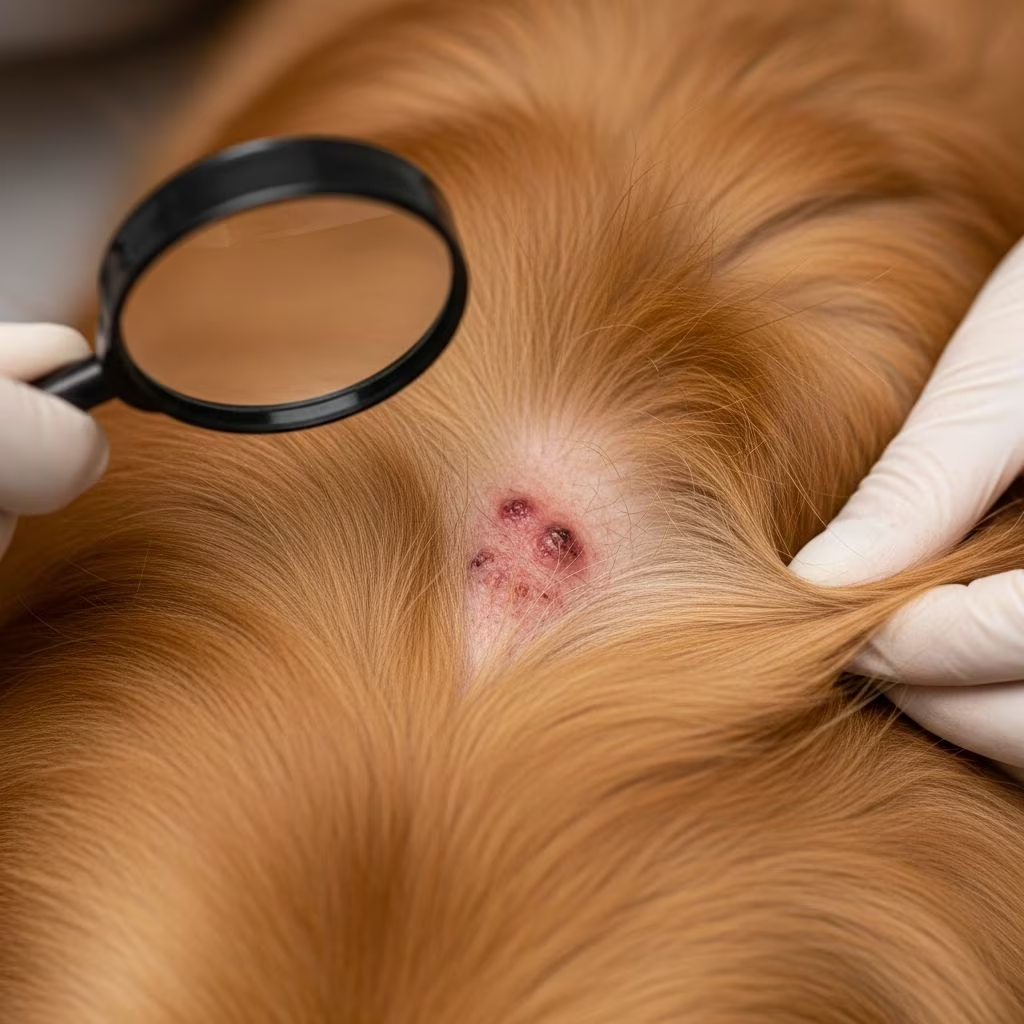
Canine skin serves as a vital barrier against environmental threats, but when issues arise, they can lead to discomfort, pain, and secondary complications. Owners often notice excessive scratching, redness, or hair loss as early warning signs. Understanding these conditions empowers pet parents to seek timely veterinary care and implement supportive measures at home.
Why Dogs Develop Skin Troubles
Skin problems in dogs stem from diverse triggers including parasites, allergens, infections, and nutritional gaps. The skin’s integrity relies on a balanced microbiome, proper hydration, and immune function. Disruptions allow pathogens to thrive, escalating minor irritations into chronic issues[10].
- Parasitic invasions: Fleas, mites, and ticks introduce saliva or burrowing that provoke immune responses.
- Allergic reactions: Sensitivity to food, environment, or fleas causes histamine release and inflammation.
- Infectious agents: Bacteria, yeast, and fungi exploit weakened barriers.
- Environmental factors: Contact with irritants like chemicals or plants leads to dermatitis.
Breeds with thick coats or folds, such as Bulldogs or Retrievers, face heightened risks due to trapped moisture and reduced airflow.
Key Indicators of Skin Distress
Observing changes in behavior and appearance helps differentiate normal shedding from pathology. Dogs may lick paws obsessively, rub against furniture, or develop bald patches. Skin might appear greasy, scaly, or odorous.
| Symptom | Possible Cause | Urgency Level |
|---|---|---|
| Intense itching | Allergies, fleas | High |
| Hair loss in patches | Mange, ringworm | High |
| Red, moist sores (hot spots) | Self-trauma from itch | Medium-High |
| Flaky, dry skin | Nutritional deficiency, hypothyroidism | Medium |
| Blackheads or pimples | Acne, folliculitis | Low-Medium |
These signs warrant a vet visit if persistent beyond 48 hours or accompanied by lethargy, fever, or appetite loss.
Allergies: The Itch That Won’t Quit
Allergic dermatitis tops the list of skin woes, affecting up to 15% of dogs. Flea saliva triggers the most severe reactions in sensitive individuals, while environmental allergens like pollen cause seasonal misery. Food allergies often involve proteins such as beef or dairy, manifesting year-round with ear infections or gastrointestinal upset.
Symptoms include paw chewing, belly rubbing, and recurrent infections. Diagnosis involves elimination diets or intradermal testing. Management combines avoidance, antihistamines, and immunotherapy.
Home Strategies for Allergy Relief
- Bathe weekly with hypoallergenic oatmeal shampoos to remove allergens.
- Supplement omega-3 fatty acids to modulate inflammation.
- Use flea preventives diligently, even indoors.
Apex trials show omega supplements reduce itch scores by 40% within months.
Infections: Bacterial and Fungal Foes
Bacterial folliculitis presents as pustules, scabs, and crusts, thriving in moist areas like armpits. Yeast overgrowth, marked by musty odor and thickened skin, favors ears and toes. Predisposing factors include allergies or endocrine disorders.
Vets culture samples for targeted antibiotics like cephalexin or antifungals such as ketoconazole. Topical chlorhexidine shampoos disrupt biofilms[10].
Preventing Recurrence
Regular grooming and drying folds prevent escalation. Probiotics may restore microbial balance, per emerging studies.
Hot Spots: Sudden Inflammatory Crises
Acute moist dermatitis, or hot spots, erupts from self-inflicted wounds amid intense itch. Common in thick-coated breeds during humid weather, they ooze, smell foul, and expand rapidly.
Treatment demands clipping hair, cleaning, and applying antimicrobial sprays. Oral steroids curb inflammation; cones prevent licking. E-collar use halves healing time.
Mange and Parasitic Infestations
Demodectic mange from mites exploiting immature immunity causes bald, scaly patches, while sarcoptic (scabies) spreads contagiously with frantic scratching.
Ivermectin or milbemycin dips eradicate mites. Supportive care includes antibiotics for secondary pyoderma. Isolation protects households during sarcoptic cases.
Other Notable Conditions
Dog Acne
Chin folliculitis yields blackheads and swellings from poor hygiene or allergies. Benzoyl peroxide washes and antibiotics clear it.
Environmental Contact Dermatitis
Grass or chemicals provoke blisters and redness. Antihistamines and oatmeal baths soothe.
Autoimmune Disorders
Rare pemphigus or lupus erode skin via antibody attacks. Immunosuppressants like cyclosporine stabilize, with antibiotics for infections.
Veterinary Diagnostic Approaches
Exams include skin scrapes for mites, cytology for infections, and biopsies for tumors. Bloodwork rules out systemic disease. Allergy testing guides desensitization[10].
Comprehensive Treatment Toolkit
Therapies layer systemic and local interventions.
| Type | Examples | Application |
|---|---|---|
| Oral Meds | Antibiotics, steroids, antifungals | 2-4 weeks for infections | Topicals | Shampoos, sprays, creams | Daily/weekly as prescribed | Alternatives | Laser therapy, acupuncture | For chronic cases |
Dietary shifts to novel proteins aid allergies.
Preventive Measures for Lasting Skin Health
Proactive steps minimize flare-ups:
- High-quality, omega-rich diets.
- Monthly parasite controls.
- Environmental hypoallergenics.
- Bi-weekly hypoallergenic baths.
- Annual vet dermatology screens.
Flea vigilance prevents 80% of dermatitis.
When to Escalate Care Urgently
Seek immediate help for spreading lesions, facial swelling, or breathing issues signaling anaphylaxis. Early intervention averts sepsis.
FAQs on Canine Skin Health
Can diet alone fix my dog’s itchy skin?
Diet supports but rarely cures allergies; vet diagnostics essential.
Are over-the-counter shampoos safe?
Mild cases yes, but persistent issues need prescription formulas.
How long until treatments work?
Hot spots: 7-10 days; allergies: weeks to months.
Is mange contagious to humans?
Sarcoptic yes, demodectic no.
Can natural remedies replace meds?
Supplements aid but vet oversight required.
References
- Understanding Canine Skin Disorders — Creedmoor Road Animal Hospital. 2023. https://creedmoorroadanimalhospital.com/pet-dermatology-in-raleigh-nc/understanding-canine-skin-disorders/
- 10 Most Common Dog Skin Issues — PetMD. 2024-01-15. https://www.petmd.com/dog/general-health/dog-skin-issues
- Itchy, Scratchy Dog: 4 Common Dog Skin Conditions — CareCredit. 2023-05-10. https://www.carecredit.com/well-u/pet-care/dog-skin-conditions/
- Skin Conditions in Dogs — Animal Hospital UG. 2024. https://animalhospitalug.com/skin-conditions-in-dogs
- Dog Skin Problems: Scratching, Itching & Other Skin Conditions — VRA Vet. 2022-08-15. https://www.vravet.com/site/blog/2022/08/15/dog-skin-problems-scratching-itching-skin-conditions
- Dog Skin Conditions — Vets Now. 2023. https://www.vets-now.com/pet-care-advice/dog-skin-conditions/
- Common Skin Allergies in Dogs — Bluegrass Vet. 2024-02-20. https://bluegrassvet.net/common-skin-allergies-in-dogs-symptoms-and-treatments/
- Canine Skin Autoimmune Diseases — Cornell University College of Veterinary Medicine. 2023-11-01. https://www.vet.cornell.edu/departments-centers-and-institutes/riney-canine-health-center/canine-health-information/canine-skin-autoimmune-diseases
- Pictures of Skin Problems in Dogs — WebMD. 2024. https://www.webmd.com/pets/dogs/ss/slideshow-skin-problems-in-dogs
- Treatment of Skin Disorders in Dogs — Merck Veterinary Manual. 2025-01-10. https://www.merckvetmanual.com/dog-owners/skin-disorders-of-dogs/treatment-of-skin-disorders-in-dogs



