

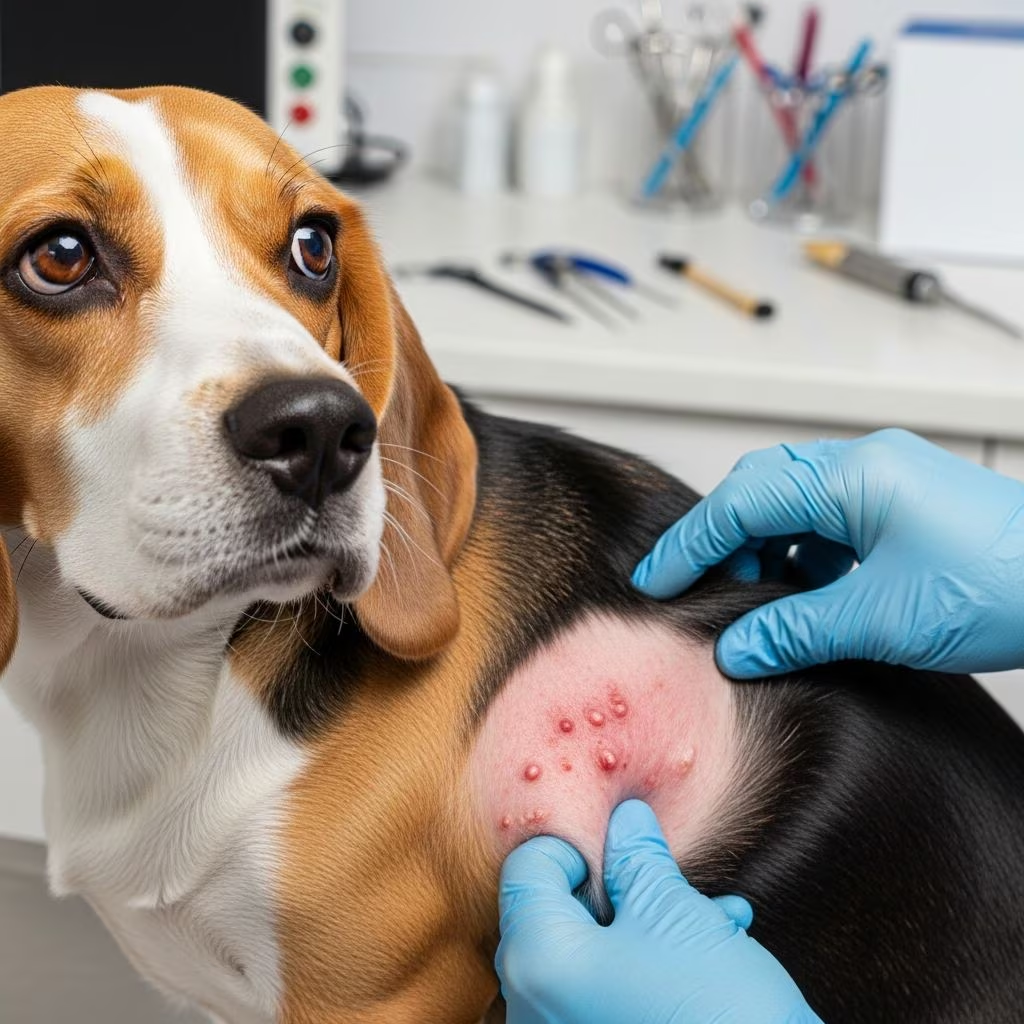
Your dog’s skin serves as a vital barrier against environmental threats, infections, and irritants. When issues arise, they often manifest through visible changes or behavioral shifts like constant scratching or chewing. Understanding these problems empowers owners to act swiftly, preventing escalation into chronic conditions. This guide delves into prevalent canine dermatological challenges, their origins, identification methods, and management strategies.
Recognizing Early Warning Signs of Skin Distress
Observant pet owners can spot skin troubles before they worsen. Key indicators include relentless itching leading to bald patches, redness around the paws, ears, or belly, and unusual odors emanating from the coat. Flaky or scaly skin, particularly on the back or tail base, signals dryness or underlying pathology. Hair loss in symmetrical patterns might point to hormonal imbalances, while moist, raw areas suggest acute inflammation.
- Excessive scratching, licking, or biting at specific sites
- Red, inflamed patches or raised bumps
- Dull, brittle fur with dandruff-like flakes
- Crusts, scabs, or oozing sores
- Distinct smells, such as yeasty or foul odors
These symptoms vary by breed; short-haired dogs like Labradors show issues more prominently, while thick-coated breeds like Huskies may hide them longer. Routine grooming reveals hidden problems early.
Allergies: A Leading Culprit in Canine Dermatitis
Allergic reactions top the list of skin afflictions in dogs, triggered by environmental factors, food proteins, or flea saliva. Pollen, dust mites, molds, and grasses provoke atopic dermatitis, causing intense pruritus primarily on the face, paws, and groin. Food sensitivities to beef, dairy, wheat, or chicken manifest similarly, often with gastrointestinal upset alongside skin woes.
Symptoms escalate seasonally for environmental allergies, featuring inflamed ears, recurrent infections, and self-inflicted wounds from scratching. Diagnosis involves elimination diets lasting 8-12 weeks or intradermal testing to pinpoint allergens. Management combines trigger avoidance, hypoallergenic diets, and pharmacotherapy.
| Allergy Type | Common Triggers | Primary Symptoms |
|---|---|---|
| Environmental | Pollen, dust, mold | Paw licking, ear infections, facial rubbing |
| Food | Proteins, grains | Chronic itching, digestive issues, hair loss |
| Flea | Flea saliva | Intense rump scratching, red hot spots |
Bacterial and Fungal Overgrowths Disrupting Skin Health
Bacterial pyoderma arises secondary to barrier breaches from allergies or trauma, presenting as pustules, crusts, and hairless patches on the trunk, legs, or interdigital spaces. Deep infections cause draining tracts and foul discharge, necessitating cytology and culture for targeted antibiotic therapy, often paired with antimicrobial baths.
Yeast infections, driven by Malassezia proliferation in humid folds like paws, armpits, or lip creases, yield greasy, discolored skin with a musty aroma. Affected areas thicken and pigment darkly over time. Topical antifungals like miconazole shampoos resolve mild cases, while systemic drugs tackle stubborn ones.
Ringworm, a fungal zoonosis, creates circular alopecia with scaling edges, transmissible to humans. UV light exams and fungal cultures confirm it; oral griseofulvin or terbinafine with lime-sulfur dips eradicate it.
Hot Spots: Rapidly Spreading Moist Lesions
Acute moist dermatitis, or hot spots, erupts suddenly from self-trauma amid allergies or insect bites. These self-perpetuating zones on the head, hips, or limbs ooze serum, mat fur, and expand hourly if licked. Clipping surrounding hair, cleaning with antiseptics, and applying topical steroids halt progression. Cone collars prevent access, and oral antibiotics combat secondary invasion.
Parasitic Infestations Mimicking Other Disorders
Fleas, the most ubiquitous parasites, induce hypersensitivity dermatitis from minimal bites, concentrating at the dorsal lumbosacral region. Flea dirt—pepper-like specks turning red in water—confirms infestation. Monthly preventatives like fipronil or spinosad maintain control.
Mange from Sarcoptes or Demodex mites burrows variably: scabies yields crusty, pruritic ears and elbows, while demodicosis forms follicular pustules in immunocompromised pups. Scrapings diagnose; scabicides like selamectin treat sarcoptic, whereas amitraz dips or ivermectin manage demodectic cases.
Dry Skin and Seborrhea: Barrier Function Failures
Xerosis or primary seborrhea disrupts lipid production, yielding flaky, oily scales and dull coats. Environmental aridity, frequent bathing, or fatty acid deficiencies exacerbate it. Omega-3/6 supplements, humectant shampoos with ceramides, and humidifiers restore moisture balance.
Less Frequent but Serious Concerns
Acne affects youthful dogs on chins, forming comedones prone to bacterial overlay; benzoyl peroxide gels cleanse pores. Autoimmune disorders like pemphigus provoke vesicles and erosions, demanding immunosuppressive regimens under specialist oversight.
Lumps warrant biopsy: lipomas are benign, mast cell tumors malignant. Early excision improves prognosis.
Diagnostic Approaches for Accurate Resolution
Veterinary evaluation starts with history and physicals, progressing to skin scrapes, cytology tapes, fungal cultures, and allergy panels. Biopsies elucidate puzzling chronicity. Bloodwork rules out endocrine culprits like hypothyroidism, common in thickened-skinned breeds.
Treatment Modalities Tailored to Etiology
Therapy hinges on cause: parasiticide for ectoparasites, antimicrobials for infections, hypoallergenics for atopy. Adjuncts include:
- Medicated shampoos (chlorhexidine, ketoconazole)
- Apoquel or cytopoint for itch relief
- Hydrolyzed protein diets
- Laser therapy for wound healing
Immunotherapy desensitizes atopics long-term, achieving remission in 60-80% of cases.
Home Care Strategies to Support Recovery
Owners bolster professional care via oatmeal baths, essential fatty acids, and allergen minimization—vacuuming, HEPA filters, leather furniture. Elizabethan collars safeguard lesions; probiotics modulate gut-skin axis.
Avoid OTC steroids chronically; they predispose iatrogenic Cushing’s.
Preventive Measures for Lifelong Skin Vitality
Year-round flea prophylaxis, hypoallergenic bedding, limited baths with moisturizing rinses, and balanced omega-rich diets fortify resilience. Breed-specific vigilance—Bulldogs for folds, Terriers for atopy—optimizes outcomes.
FAQs on Canine Dermatological Health
What triggers most dog skin itching?
Allergies, fleas, and infections dominate, with environmental atopy affecting 10-15% of dogs.
How do I differentiate dry skin from allergies?
Dryness lacks intense pruritus and secondary infections; allergies feature paws/ears focus and seasonality.
Can diet alone resolve skin issues?
Hypoallergenic trials help food-mediated cases, but multifaceted allergies need combo therapy.
When should I rush to the vet for a hot spot?
Immediately if expanding, febrile, or lethargy accompanies, signaling sepsis risk.
Are natural remedies safe for itchy skin?
Omega oils and probiotics aid mildly; consult vets before herbs to avert interactions.
References
- Common Dog Skin Issues: How To Spot, Diagnose & Treat — UrgentVet. 2023. https://urgentvet.com/dog-skin-issues-conditions-treatment-diagnosis/
- Itchy Dog? 8 Common Skin Conditions That Could Be to Blame — CareCredit. 2024. https://www.carecredit.com/well-u/pet-care/dog-skin-conditions/
- 10 Most Common Dog Skin Issues: How To Spot, Diagnose, and Treat — PetMD. 2024. https://www.petmd.com/dog/general-health/dog-skin-issues
- Common Skin Allergies in Dogs: Symptoms and Treatments — Bluegrass Veterinary Specialists. 2023. https://bluegrassvet.net/common-skin-allergies-in-dogs-symptoms-and-treatments/
- Skin Conditions in Dogs — Animal Hospital of Union Grove. 2024. https://animalhospitalug.com/skin-conditions-in-dogs



