

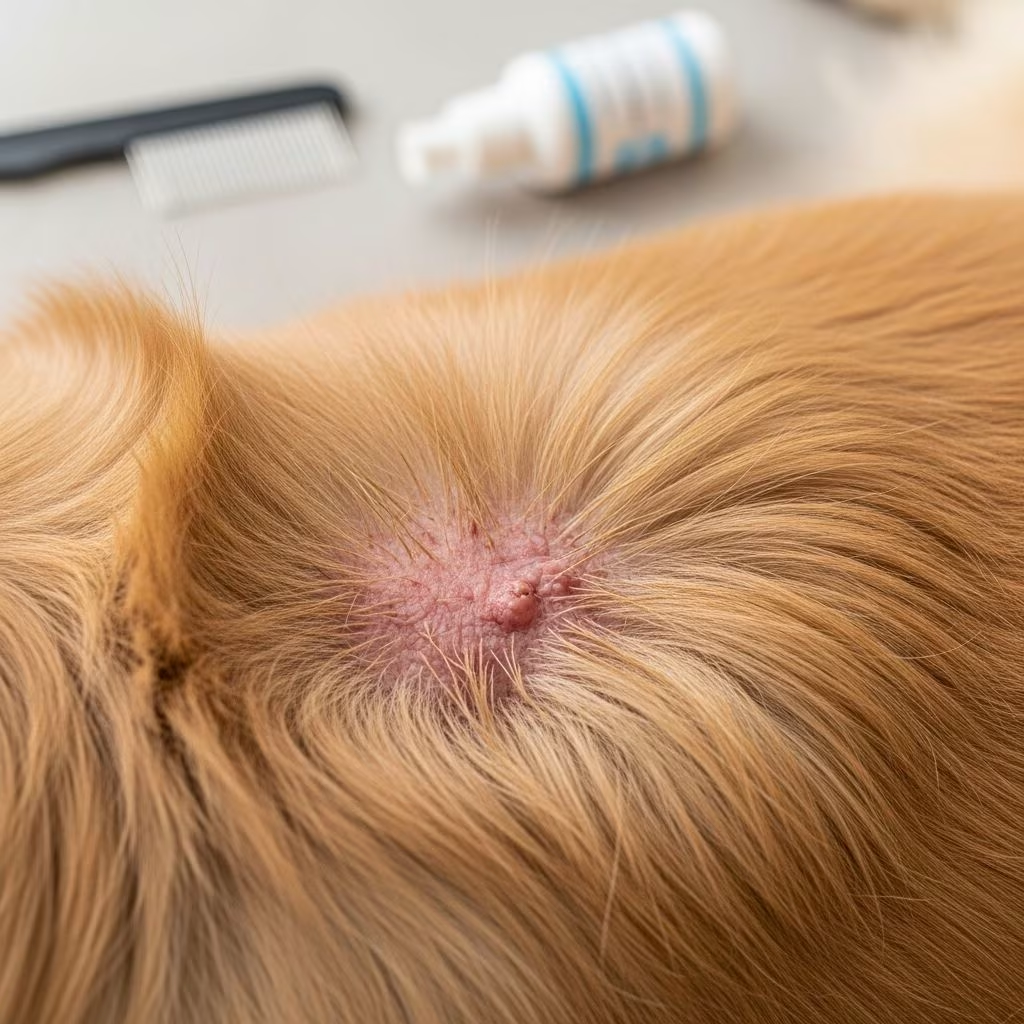
Dogs frequently suffer from various skin conditions that cause discomfort and require prompt attention. These issues range from allergies to infections and can significantly impact a dog’s quality of life if left untreated. Understanding the signs and knowing when to seek veterinary care is essential for pet owners.
Recognizing Early Signs of Skin Troubles in Dogs
The skin serves as a dog’s primary barrier against environmental threats, but it often signals underlying problems through visible changes. Common indicators include persistent scratching, redness, hair loss in patches, foul odors, and scaly or flaky areas. These symptoms can appear suddenly or develop gradually, often worsening without intervention.
- Excessive Scratching or Chewing: Dogs may target paws, ears, belly, or groin areas relentlessly.
- Redness and Inflammation: Affected skin looks irritated, warm, or swollen.
- Hair Loss (Alopecia): Bald spots emerge from constant rubbing or self-trauma.
- Odors and Discharge: Musty smells suggest yeast, while pus indicates bacterial involvement.
- Behavioral Changes: Restlessness, anxiety, or avoidance of touch in problem areas.
Observing these signs early allows for quicker resolution. For instance, short-haired breeds show issues more clearly, while long-haired dogs might display dull coats or excessive shedding first.
Top Allergies Affecting Canine Skin
Allergies top the list of frequent skin disruptors in dogs, triggering immune responses that lead to intense itching. Flea allergy dermatitis (FAD) occurs when even a single flea bite provokes a severe reaction due to hypersensitivity to flea saliva. Food allergies involve proteins like beef, chicken, or grains, causing year-round symptoms. Environmental allergens such as pollen, dust mites, and molds provoke seasonal flares.
Symptoms often include itchy paws, ear infections, and gastrointestinal upset alongside skin changes. Diagnosis typically involves elimination diets for food allergies or intradermal testing for environmental ones. Management focuses on allergen avoidance, flea preventives, and medications like antihistamines or Apoquel for itch relief.
| Allergy Type | Common Triggers | Key Symptoms | Treatment Approaches |
|---|---|---|---|
| Flea Allergy | Flea saliva | Hot, itchy rear end; hair loss at base of tail | Flea control products, steroids |
| Food Allergy | Proteins in diet | Year-round itching, ear issues | Hypoallergenic diet trial |
| Environmental | Pollen, dust | Seasonal paw licking, face rubbing | Immunotherapy, antihistamines |
Acute Issues: Hot Spots and Their Rapid Spread
Hot spots, or acute moist dermatitis, arise from self-inflicted wounds where dogs excessively lick or scratch due to an initial irritant like an allergy or insect bite. These red, oozing lesions expand quickly, sometimes within hours, becoming painful and prone to secondary bacterial infection.
Breeds with thick coats, such as Golden Retrievers, are particularly susceptible. Treatment requires clipping surrounding hair, cleaning the area, and applying topical antimicrobials or sprays like Vetericyn. Oral antibiotics and cone collars prevent further trauma. Addressing the root cause, often allergies, prevents recurrence.
Fungal and Yeast Overgrowth Problems
Yeast infections, primarily from Malassezia, thrive in moist folds like paws, ears, and armpits, producing a distinctive greasy, musty smell. Chronic cases lead to thickened, darkened skin (hyperpigmentation) and greasy debris around nails. Underlying factors include allergies, hypothyroidism, or immune suppression.
Diagnosis uses skin cytology to confirm yeast presence. Treatments include medicated shampoos with chlorhexidine or ketoconazole, topical antifungals, and oral medications for severe cases. Regular ear cleanings and diet adjustments with omega fatty acids support long-term control.
Bacterial Infections and Folliculitis
Bacterial folliculitis involves hair follicles infected by Staph bacteria, often secondary to allergies or endocrine disorders. Shorthaired dogs show red bumps and scabs, while others have dull, scaly coats. Pyoderma ranges from superficial pustules to deep, draining tracts[10].
Veterinarians perform cultures for targeted antibiotics. Topical therapies like antibacterial shampoos and ointments complement systemic drugs. Preventing moisture buildup and treating predisposing conditions are crucial[10].
Parasitic Culprits: Mites, Mange, and Ringworm
Parasites like Sarcoptes (scabies) cause intense itching and crusty skin, spreading via contact. Demodex mange affects hair follicles, leading to patchy baldness, worsened by immune issues. Ringworm, a fungal infection, creates circular, scaly alopecia despite its name.
Treatments include ivermectin dips for mites, oral antifungals for ringworm, and supportive care like medicated baths. Quarantine prevents spread in multi-pet homes.
Other Notable Conditions: Acne, Lick Granulomas, and Hives
Canine acne appears as chin pustules from blocked glands or allergies, treated with benzoyl peroxide cleansers. Acral lick dermatitis (lick granulomas) forms firm, ulcerated lesions on legs from compulsive licking, managed with collars, antidepressants, and laser therapy.
Hives (urticaria) present as raised welts from insect stings or drugs, resolving with antihistamines.
Diagnostic Approaches for Accurate Identification
Vets use history, skin scrapings, cytology, biopsies, and allergy tests to pinpoint causes. Bloodwork rules out hormonal imbalances. Early diagnosis curtails chronicity.
Home Care Strategies and Prevention Tips
Regular flea prevention, hypoallergenic diets, weekly baths with oatmeal shampoos, and omega supplements bolster skin health. Monitor for changes and avoid human products.
When to Consult a Veterinarian Urgently
Seek immediate care for rapidly spreading lesions, lethargy, fever, or non-healing wounds. Delays risk systemic infection.
FAQs
What causes most dog skin itching?
Allergies to fleas, food, or environment are primary culprits, often with secondary infections.
Can I treat hot spots at home?
Clip hair and clean, but vet-prescribed meds are needed for antibiotics.
Are yeast infections contagious?
No, but they signal underlying issues requiring treatment.
How do I prevent flea allergies?
Year-round preventives and yard treatments.
What diet helps skin health?
Omega-rich foods reduce inflammation.
References
- 10 Most Common Dog Skin Issues: How To Spot, Diagnose, and Treat — PetMD. 2023. https://www.petmd.com/dog/general-health/dog-skin-issues
- Itchy, Scratchy Dog: 4 Common Dog Skin Conditions and Treatments — CareCredit. 2023. https://www.carecredit.com/well-u/pet-care/dog-skin-conditions/
- Most Common Skin Conditions in Dogs — Mokena Animal Clinic. 2023. https://www.mokenaanimalclinic.com/blog/most-common-skin-conditions-in-dogs
- Skin Conditions in Dogs — Animal Hospital UG. 2023. https://animalhospitalug.com/skin-conditions-in-dogs
- Canine Skin Autoimmune Diseases — Cornell University College of Veterinary Medicine. 2023. https://www.vet.cornell.edu/departments-centers-and-institutes/riney-canine-health-center/canine-health-information/canine-skin-autoimmune-diseases



