

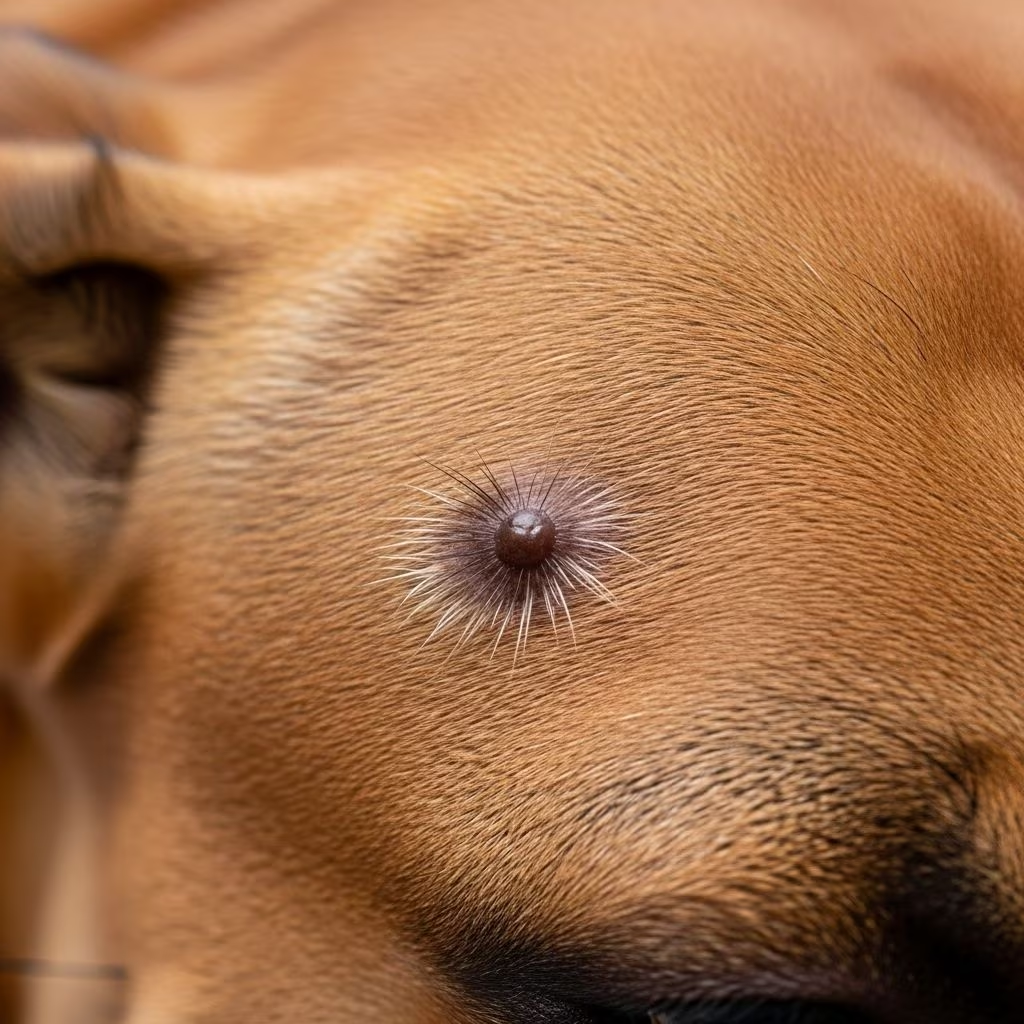
Many dog owners notice small dark spots or raised bumps on their pet’s skin and wonder if they signal a serious health issue. While most moles are harmless, some indicate aggressive cancers like melanoma, which demand immediate attention. Regular skin examinations can differentiate benign growths from malignant ones, potentially extending your dog’s life through timely intervention.
Understanding Skin Growths on Dogs
Dogs develop various skin abnormalities as they age, ranging from innocent pigmentation changes to life-threatening tumors. Benign moles often appear as uniform, small black or brown spots that remain stable over time. In contrast, cancerous growths may grow rapidly, change color, or ulcerate. Factors like breed, age, and sun exposure influence these developments, though unlike humans, UV light plays a lesser role in canine melanoma.
Older dogs, particularly those over seven years, show increased susceptibility to skin irregularities. Breeds with light skin or thin fur, such as Boxers or Whippets, face higher risks for certain tumors. Routine grooming sessions provide ideal opportunities to monitor these changes closely.
Common Types of Dangerous Moles and Tumors
Skin cancers in dogs manifest in distinct forms, each with unique characteristics and locations. Recognizing these helps owners act swiftly.
- Oral Melanoma: The most prevalent melanoma type, comprising up to 35.8% of canine mouth cancers. It presents as darkened or pinkish masses inside the mouth, often bleeding or ulcerating.
- Digital Melanoma: Affects toes or nail beds, appearing as irregular toenails or swollen pads. This form spreads aggressively if untreated.
- Ocular Melanoma: Involves the eye, causing bulging, color shifts, or vision impairment.
- Mast Cell Tumors: Common skin cancers forming rubbery, inflamed lumps anywhere on the body, especially limbs and abdomen.
- Squamous Cell Carcinoma: Starts as non-healing sores or scabs on pink skin areas, mimicking wounds.
These tumors vary in pigmentation; melanomas may lack dark color, complicating identification without professional evaluation.
Key Symptoms to Watch For
Early warning signs often appear subtle but progress noticeably. Vigilant owners can catch issues before metastasis occurs.
| Symptom | Possible Indication | Common Locations |
|---|---|---|
| New or changing lumps/bumps | Melanoma, mast cell tumor | Skin, mouth, toes |
| Bad breath or drooling | Oral melanoma | Mouth |
| Limping or paw licking | Digital melanoma | Toes, nail beds |
| Non-healing sores | Squamous cell carcinoma | Pink skin areas |
| Eye changes or vision loss | Ocular melanoma | Eyes |
| Swollen lymph nodes | Metastasized cancer | Neck, armpits, groin |
Additional red flags include persistent swelling, weight loss, lethargy, abnormal odors, and appetite changes. Lumps that feel firm, fixed, or rapidly enlarge warrant priority concern.
How to Perform Regular Skin Checks at Home
Weekly inspections form the cornerstone of prevention. Follow these steps during bath time or grooming:
- Run hands gently over the entire body, feeling for new or altered lumps under fur.
- Examine mouth, gums, and tongue for masses or discoloration.
- Inspect paws, including between toes and nail beds, for swelling or nail irregularities.
- Check eyes for shape changes or cloudiness.
- Part fur to view skin directly, noting sores, redness, or hair loss.
- Monitor for behavioral shifts like excessive scratching or reluctance to play.
Train your dog to tolerate paw and mouth handling from puppyhood. Use treats to make checks positive experiences. Document findings with photos to track progression.
When to Rush to the Vet
Not every bump requires alarm, but certain traits signal urgency. Seek immediate care if you observe:
- Any new dark or irregular mole, especially on mouth, toes, or eyelids.
- Lumps growing larger than a pea or changing texture/color.
- Bleeding, ulcerated, or odorous growths.
- Associated symptoms like limping, eating difficulties, or breathing issues.
Veterinarians use fine-needle aspiration, biopsies, or imaging for diagnosis. Early detection dramatically boosts survival rates, as melanomas metastasize rapidly to lungs and lymph nodes.
Diagnosis and Treatment Pathways
Once identified, vets stage the cancer via bloodwork, X-rays, and biopsies. Treatment options depend on tumor type, size, and spread:
- Surgery: Primary removal for localized tumors, often curative for early stages.
- Chemotherapy/Radiation: Controls metastasis in aggressive cases like melanoma.
- Immunotherapy: Emerging vaccines target melanoma cells specifically.
- Amputation: For digital tumors affecting limbs.
Prognosis varies; oral melanomas carry poorer outlooks due to late detection, while cutaneous forms respond better to excision.
Prevention Strategies for Skin Health
While genetics play a role, lifestyle adjustments minimize risks:
Limit sun exposure during peak hours for light-skinned breeds. Apply pet-safe sunscreens to noses and ears. Maintain ideal weight to reduce inflammation-linked cancers. Regular vet checkups, including annual skin exams, catch issues early.
Antioxidant-rich diets with omega-3s support immune function against abnormal cell growth. Avoid known carcinogens like certain pesticides.
FAQs on Dog Moles and Skin Cancer
Q: Are all black spots on my dog cancerous?
A: No, many are benign pigmentations, but changes in size, shape, or symptoms require vet evaluation.
Q: How fast does dog melanoma spread?
A: Aggressively; oral types often metastasize within months if untreated.
Q: Can skin cancer be prevented entirely?
A: Not always due to genetic factors, but early detection and sun protection significantly lower risks.
Q: What breeds are prone to melanoma?
A: Schnauzers, Scottish Terriers, and breeds with unpigmented skin like Dalmatians.
Q: Is surgery always necessary?
A: For confirmed cancers, yes, but benign growths may only need monitoring.
Long-Term Monitoring and Care
Post-diagnosis, survivors need vigilant follow-ups every 3-6 months, including lymph node checks and imaging. Holistic supports like acupuncture or herbal supplements complement conventional treatments under vet guidance. Emotional support through routine and affection aids recovery.
Owners play a pivotal role; your attentiveness directly impacts outcomes. By integrating skin checks into daily life, you empower proactive health management.
References
- Melanoma in Dogs: Common Symptoms, Causes, and Treatment — PetMD. 2023-10-15. https://www.petmd.com/dog/conditions/cancer/melanoma-dogs-common-symptoms-causes-and-treatment
- Skin Cancer in Dogs: Types, Signs, Symptoms & Treatment — Guilford Jamestown Vet. 2020-05-29. https://www.guilfordjamestownvet.com/site/blog-greensboro-vet/2020/05/29/skin-cancer-dogs
- Spot Dog Tumors Early: 8 Signs Owners Miss Most — Westerville Pets. N/A. https://westervillepets.com/spot-dog-tumors-early-signs/
- 10 Early Warning Signs of Cancer in Dogs — SASH Vets. N/A. https://sashvets.com/pet-advice/10-early-warning-signs-of-cancer-in-dogs/
- Dog Skin Cancer: Signs & Symptoms — Petfolk. N/A. https://petfolk.com/petfolklore/10-symptoms-of-skin-cancer-in-dogs-recognizing-the-warning-signs
- Do You Know the Tell ‘Tail’ Signs of Canine Skin Cancer? — Moffitt Cancer Center. N/A. https://www.moffitt.org/endeavor/archive/do-you-know-the-tell-tail-signs-of-canine-skin-cancer/
- What Dog Skin Cancer Looks Like | Signs, Pics — Walkerville Vet. N/A. https://www.walkervillevet.com.au/blog/dog-skin-cancer-types/



