

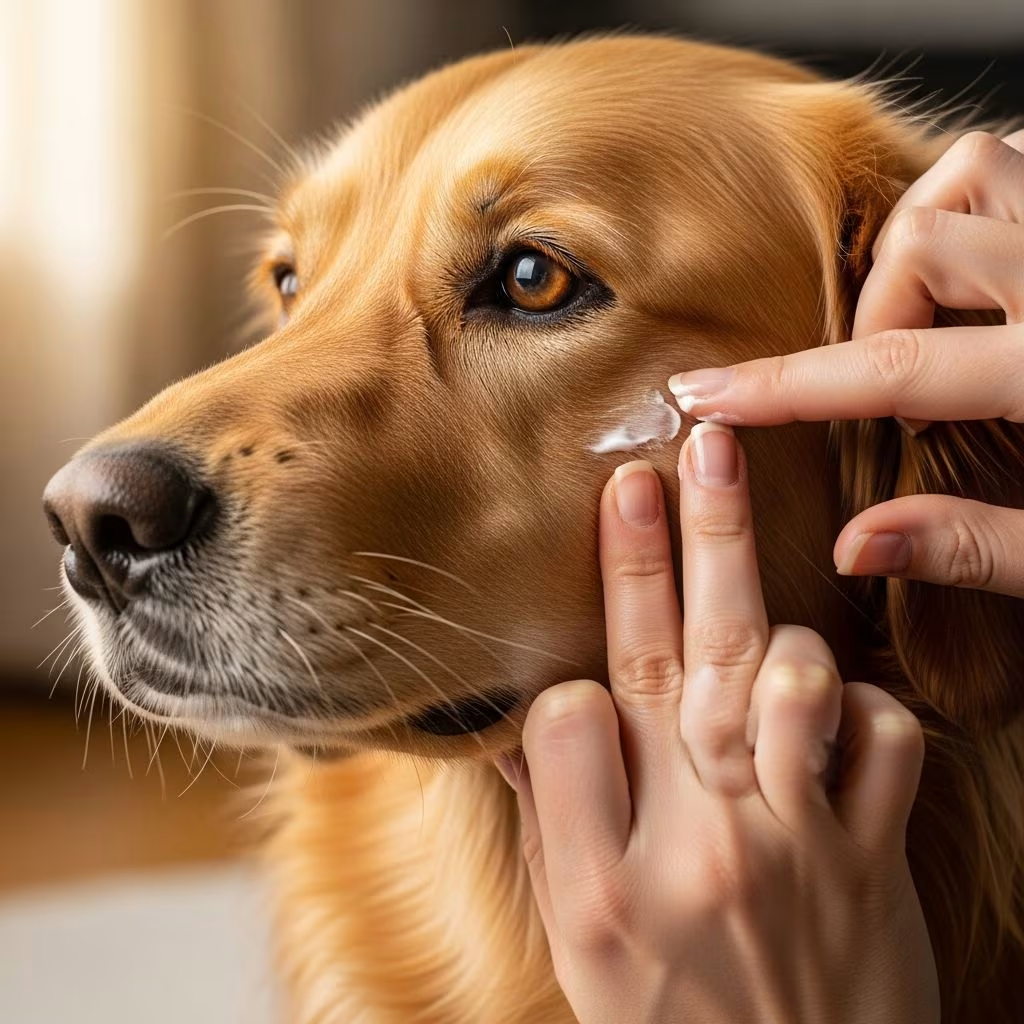
Your dog’s skin requires proper care and attention just like any other part of their body. When you notice your canine companion developing dry, flaky, or irritated skin, the instinct to help is natural. However, reaching for your own personal care products can be dangerous. Understanding which moisturizing options are genuinely safe for dogs is essential before applying anything to your pet’s skin.
Understanding Why Dogs Need Skin Care
Dogs can suffer from various skin conditions that lead to discomfort and distress. Environmental factors, seasonal changes, allergies, and dietary deficiencies can all contribute to dry or irritated skin. Unlike humans, dogs have a more sensitive skin barrier and different pH levels, making them vulnerable to products designed for human use. Additionally, dogs instinctively lick and groom areas where products have been applied, which means any substance on their skin has the potential to enter their digestive system.
Recognizing the signs of problematic skin conditions in your dog is the first step toward appropriate care. Intense itching, visible redness, hair loss, open sores, or unusual odors emanating from the skin all warrant veterinary evaluation. These symptoms can indicate allergies, parasitic infections, fungal overgrowth, or more serious systemic conditions that require professional treatment rather than home remedies.
The Danger Zone: Why Human Lotions Are Risky
Many common ingredients found in human lotions pose significant risks to canine health. Fragrances, synthetic dyes, parabens, phthalates, and various preservatives can irritate your dog’s skin or cause allergic reactions. The situation becomes even more serious when these substances are ingested, which happens frequently since dogs naturally lick their coats and skin.
Common harmful chemicals to avoid include:
- Sodium Lauryl Sulfate (SLS) and Sodium Laureth Sulfate (SLES): These foaming agents are inexpensive additives used in many shampoos and cleansers. They can strip away natural oils, cause skin irritation, and irritate the eyes.
- Butylated Hydroxyanisole (BHA): Identified by the National Institutes of Health as a potential carcinogen, BHA is used as a preservative but offers no benefit to your pet.
- Parabens: These preservatives have been linked to endocrine system disruption and may interfere with hormone regulation.
- Fluorouracil: This medicated cream has caused fatal outcomes in dogs and must be kept completely away from pets.
- Xylitol: An artificial sweetener sometimes found in pet products that can cause serious toxicity.
- Zinc oxide and topical corticosteroids: These can cause systemic absorption issues and endocrine disorders with prolonged use.
Even products marketed as “natural” for humans may contain ingredients that are inappropriate for dogs. The only safe approach is to select products specifically formulated and tested for canine use.
Safe Moisturizing Options for Your Dog
Veterinarian-Approved Products
The safest choice for your dog’s skin is always a product recommended by your veterinarian or specifically formulated for dogs. These products undergo safety testing and contain ingredients suitable for canine skin pH and sensitivity levels. Several formulation types exist to address different needs:
- Topical moisturizing creams and lotions: Designed for broader application across dry skin patches
- Paw balms and protective waxes: Thicker formulations using ingredients like beeswax and shea butter to protect paw pads
- Hydrating sprays and mists: Lighter options for overall coat hydration and shine
- Medicated shampoos and conditioners: Cleansing products with built-in moisturizing components that work during the bathing process
When selecting a product, verify it explicitly states “safe for dogs” and meets ASPCA or FDA pet-safety standards. Look for products that are free from artificial fragrances, synthetic dyes, parabens, phthalates, and harsh chemical surfactants. The ingredient list should be simple and recognizable.
Natural Moisturizing Alternatives
Coconut oil remains one of the most popular natural moisturizers for dogs when used appropriately. Organic, virgin coconut oil applied in moderation can improve coat quality and address dry patches. The antimicrobial properties may even help small cuts and scrapes heal more efficiently. However, excessive use can lead to gastrointestinal upset, so moderation is key.
Aloe vera gel without added scents or colorants can provide soothing relief for minor skin irritation or sunburn. Always ensure the product is pure aloe gel, as some formulations contain additives that may irritate sensitive canine skin.
Oatmeal-based products leverage the natural calming and anti-inflammatory properties of colloidal oatmeal. Many dog-specific shampoos and creams incorporate oatmeal safely, making these excellent options for dogs with sensitive skin or mild irritation.
Preventative Skin Care Strategies
Rather than relying solely on moisturizing products after skin problems develop, a comprehensive approach to canine skin health reduces the frequency and severity of dry or irritated skin issues.
Nutritional Support
Proper nutrition forms the foundation of healthy skin and coat. Omega-3 and omega-6 fatty acids are essential for maintaining skin barrier function and reducing inflammation. High-quality dog foods with appropriate protein levels and balanced nutrients support skin health from the inside out. Consult your veterinarian about whether your dog’s current diet adequately supports skin health or whether supplements might be beneficial.
Environmental Management
Environmental factors significantly impact canine skin conditions. Maintain appropriate humidity levels in your home, especially during dry seasons. Regular grooming removes dead skin cells and stimulates natural oil distribution throughout the coat. Bathing frequency matters—over-bathing can strip natural oils, while under-bathing allows dirt and debris accumulation. Most dogs benefit from bathing once monthly, though this varies based on activity level and skin condition.
Allergy Identification
Environmental and food allergies are among the most common causes of chronic skin issues in dogs. Identifying and managing allergen exposure can dramatically improve skin health. Work with your veterinarian to determine whether allergies are contributing to your dog’s skin problems through elimination diets or allergy testing.
Testing Products Before Full Application
Before applying any new moisturizing product across your dog’s entire body, perform a patch test. Apply a small amount to a discrete area of skin and observe for 24 hours to check for redness, swelling, or irritation. This cautious approach helps identify potential adverse reactions before causing widespread discomfort. Some dogs may have sensitivities to specific ingredients even if the product is technically safe for dogs.
Warning Signs and When to Seek Veterinary Care
Certain skin symptoms require immediate professional attention rather than home treatment. Intense, persistent itching that causes self-trauma, widespread redness or rash development, significant hair loss or bald patches, open sores or bleeding, and unusual skin odors all warrant veterinary evaluation. These symptoms may indicate infections, parasitic infestations, or serious allergic reactions that need professional diagnosis and treatment.
If your dog accidentally ingests a human lotion or cream product, contact your veterinarian immediately. Some products can cause gastrointestinal symptoms or more serious systemic effects depending on the ingredients and quantity consumed. Additionally, if your medications or personal care products contain hazardous ingredients like fluorouracil, keep them in areas completely inaccessible to pets and wash your hands thoroughly after application.
Frequently Asked Questions
Can I use human lotion on my dog?
Most human lotions contain chemicals unsuitable for dogs that can irritate their skin or cause illness if ingested. The pH levels, fragrance compounds, and preservatives in human products are not formulated for canine skin. Always select products specifically created for dogs.
What should I look for when choosing a dog moisturizer?
Select products explicitly labeled as safe for dogs and free from fragrances, artificial dyes, parabens, phthalates, and harsh surfactants. Verify the product meets ASPCA or FDA pet-safety standards and ask your veterinarian for recommendations based on your dog’s specific skin needs.
How often should I moisturize my dog’s skin?
Frequency depends on your individual dog’s skin condition and the specific product used. Some moisturizing sprays can be applied multiple times weekly, while paw balms might only be needed occasionally. Follow product instructions and consult your veterinarian about the appropriate schedule for your dog.
Is coconut oil safe for all dogs?
Coconut oil is generally safe for most dogs when used in moderation, but some dogs may experience digestive upset if they ingest it through licking. Start with small amounts and monitor your dog’s response. Dogs with certain health conditions should use coconut oil only under veterinary guidance.
What should I do if my dog ingests a human lotion?
Contact your veterinarian immediately, especially if your lotion contains potentially toxic ingredients. Provide information about the specific product and amount ingested. Your vet can determine whether emergency treatment is necessary.
References
- Sodium Lauryl Sulfate (SLS) in Dog Products — Natural Dog Company. 2024. https://naturaldog.com/blogs/our-products/skin-products-for-your-dog-what-ingredients-to-look-for-and-avoid
- Chemical Ingredients in Dog Skin Care Products — Superior Care. 2024. https://www.superiorcare.pet/blogs/news/unveiling-the-truth-chemical-ingredients-in-skin-and-coat-care-products-for-dogs
- Health Problems Caused by Chemical Ingredients in Dog Care Products — Superior Care. 2024. https://www.superiorcare.pet/blogs/news/unveiling-the-truth-chemical-ingredients-in-skin-and-coat-care-products-for-dogs
- Fluorouracil and Pet Safety — U.S. Food and Drug Administration. 2024. https://www.fda.gov/consumers/consumer-updates/fluorouracil-and-pet-safety
- Is It Dangerous to Let a Pet Lick Your Skin? — Dr. Leslie Baumann, MD. 2024. https://www.lesliebaumannmd.com/is-it-dangerous-to-let-a-pet-lick-your-skin
- Beauty Products That Could Harm Your Pet — PetMD. 2024. https://www.petmd.com/dog/slideshows/19-beauty-products-could-harm-your-pet
- Personal Care Products and Your Pet — VCA Animal Hospitals. 2024. https://vcahospitals.com/know-your-pet/personal-care-products-and-your-pet
- A Guide to Healthy Skin and Coats for Dogs — GoodVets. 2024. https://goodvets.com/journal/a-guide-to-healthy-skin-and-coats-for-dogs



