

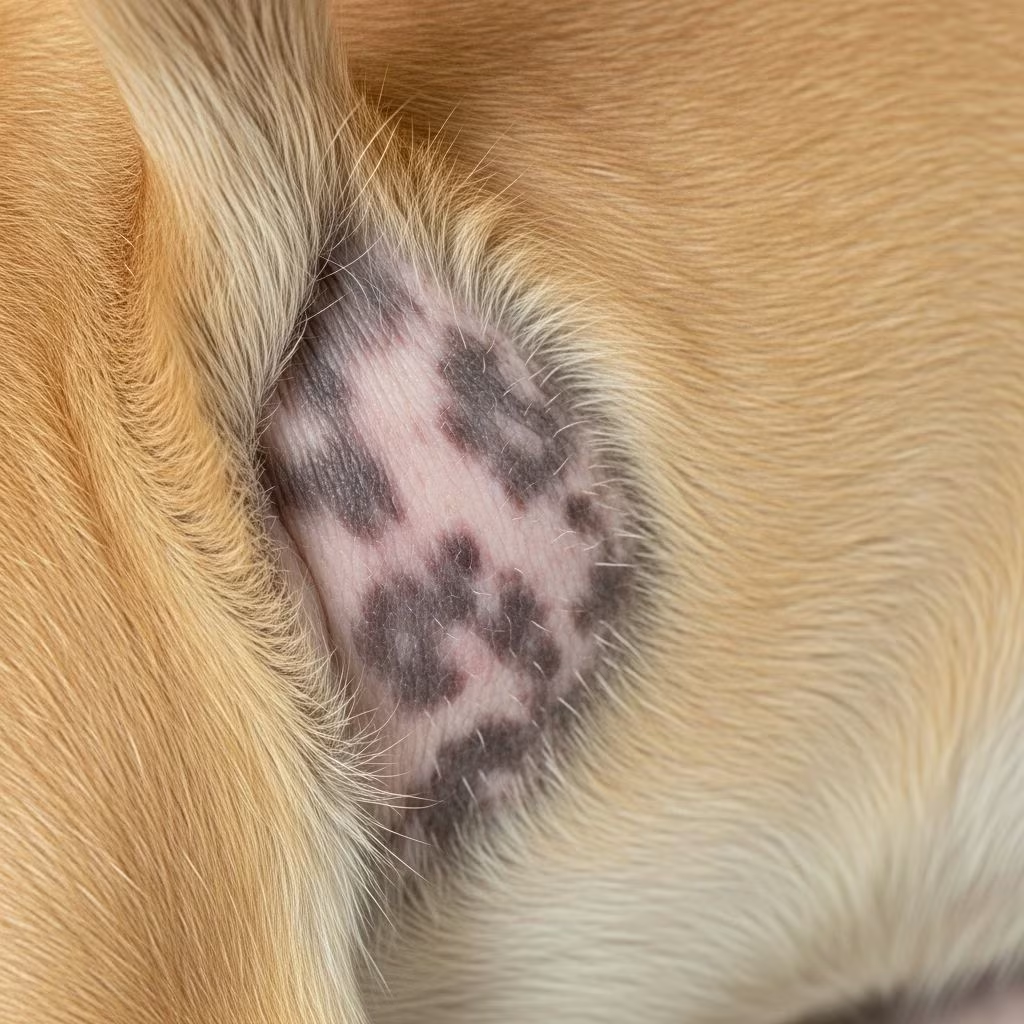
Changes in your dog’s skin color can signal underlying health issues or be a normal aging process. Understanding these variations helps pet owners respond appropriately, from monitoring to seeking professional care.
Understanding Skin Color Variations in Canines
Dogs typically have pink skin beneath their fur, but alterations like darkening to black or brown, lightening, redness, or bluish tones can occur. These shifts often stem from increased melanin production, known as hyperpigmentation, or other factors like poor circulation or injury.
Hyperpigmentation manifests as darkened, thickened patches, frequently in areas like the groin, armpits, legs, or belly. While primary forms are genetic and breed-specific, secondary types arise from irritation or disease.
Primary Causes of Darkening Skin
Primary hyperpigmentation, or acanthosis nigricans, is rare and hereditary, mainly affecting Dachshunds. It appears early in life as velvety, hairless dark patches without other symptoms.
Secondary hyperpigmentation is far more common across breeds. It develops from chronic irritation where skin rubs or becomes inflamed, prompting excess melanin.
- Friction Sites: Collars, leg folds, or bedding contact cause gradual darkening.
- Chronic Itchiness: Leads to licking and scratching, exacerbating pigment buildup.
Allergies and Their Role in Pigment Changes
Allergic reactions frequently trigger skin darkening. Environmental allergens like pollen or dust mites cause intense itching, resulting in self-trauma and hyperpigmentation, especially on the paws, belly, and armpits.
Food sensitivities to proteins or grains provoke similar responses. Flea allergy dermatitis is notorious, with even one bite sparking widespread irritation and dark spots.
| Allergen Type | Common Affected Areas | Symptoms Beyond Discoloration |
|---|---|---|
| Environmental | Paws, belly | Itching, redness, hair loss |
| Food | Face, ears, groin | Digestive upset, ear infections |
| Flea | Back, base of tail | Hot spots, scabs |
Infections Leading to Color Shifts
Bacterial and fungal infections inflame skin, promoting hyperpigmentation during healing. Yeast overgrowth thrives in moist folds, turning skin grayish-black and elephant-like.
Bacterial pyoderma from wounds or allergies causes crusty, darkened areas. Untreated, these lead to thickened, odorous skin.
- Yeast: Ears, paws, interdigital spaces.
- Bacterial: Often secondary to allergies or endocrine issues.
Hormonal Disorders and Skin Pigmentation
Endocrine imbalances like hypothyroidism slow metabolism, causing symmetrical darkening on the trunk and legs, alongside dull coat and lethargy.
Cushing’s disease (hyperadrenocorticism) and pseudo-Cushing’s yield similar changes, with added potbelly and thirst. Systemic lupus erythematosus, though rare, includes patchy darkening with joint pain.
Other Discoloration Types
Lightening or Depigmentation
Vitiligo causes white patches from melanocyte loss, often around eyes or nose. It’s autoimmune but harmless.
Redness and Inflammation
Acute allergies or sunburn redden skin, potentially darkening later. Hairless breeds are prone to UV damage.
Bluish or Purple Tones (Cyanosis)
Emergency indicator of low oxygen, visible on gums, tongue, or skin. Bruising post-trauma mimics this locally.
Recognizing Accompanying Symptoms
Isolated darkening may be benign, but paired signs demand attention:
- Hair loss or thinning fur.
- Greasy, smelly skin.
- Scaling, crusts, or oozing.
- Relentless scratching or licking.
- Behavioral shifts like lethargy.
Examine daily: Part fur to inspect hidden areas. Note progression speed and distribution.
When to Consult a Veterinarian
Seek immediate care for sudden blue/purple hues or breathing distress. For gradual darkening with itchiness, swelling, or systemic signs, schedule promptly.
Routine checks suit asymptomatic older dogs or breed-prone ones like Dachshunds.
Veterinary Diagnostic Approaches
Vets start with history and physical exam, focusing on lesion patterns.
- Skin scrapes/cytology for parasites/infections.
- Fungal cultures.
- Biopsies for chronic cases.
- Blood tests for hormones/allergies.
- Allergy trials or diets.
Treatment Strategies for Skin Discoloration
Target root causes; pigment fades as inflammation resolves.
Topical Therapies
Shampoos with chlorhexidine or antifungals clean and soothe. Steroid creams reduce itch short-term.
Systemic Medications
Antibiotics for bacteria, antifungals for yeast, or immunosuppressants for autoimmune issues.
Hormone Management
Thyroid supplements for hypothyroidism; trilostane for Cushing’s.
Allergy Control
Hypoallergenic diets, flea preventives, antihistamines, or immunotherapy.
Severe cases may need cyclosporine or Apoquel for rapid relief.
Preventive Measures for Healthy Skin
- Maintain flea control year-round.
- Use hypoallergenic bedding/shampoos.
- Regular grooming to spot issues early.
- Balanced diet avoiding common allergens.
- Protect light-skinned areas from sun.
Breed-specific vigilance: Monitor Dachshunds for primary changes, Labs for allergies.
Frequently Asked Questions
Is black skin on my dog’s belly dangerous?
Often benign from age or friction, but itchiness or odor warrants vet check for allergies/infections.
Can diet fix hyperpigmentation?
If food allergy-related, yes; otherwise, treat underlying cause first.
Will the dark spots fade?
Yes, with inflammation resolution; primary genetic forms persist.
How to differentiate infection from allergy?
Vet cytology needed; infections show pus/yeast, allergies eosinophils.
Are certain breeds more prone?
Dachshunds (primary), obese/shorthaired for secondary.
Long-Term Management Tips
Track changes with photos. Consistent preventives reduce recurrences. Annual wellness exams catch endocrine shifts early.
Holistic aids like omega-3 supplements support skin barrier, but consult vets before use.
References
- What causes skin color changes in dogs? — Vetster. 2023. https://vetster.com/en/wellness/what-causes-skin-color-changes-in-dogs
- Why Is There Black Spots On Your Dog’s Skin — Chino Valley Animal Hospital. 2023. https://chinovalleyanimalhospital.com/blog/why-is-there-black-spots-on-your-dogs-skin/
- Hyperpigmentation in Dogs — Irvine Pet Complex. 2024-07-15. https://www.irvinepetcomplex.com/site/blog/2024/07/15/hyperpigmentation-dogs
- Why is my dog’s skin turning black? — Animerge Vets. 2024-01-30. https://www.animergevets.com/site/blog/2024/01/30/dog-hyperpigmentation
- Hyperpigmentation (Acanthosis Nigricans) in Dogs – Dog Owners — Merck Veterinary Manual. 2023. https://www.merckvetmanual.com/dog-owners/skin-disorders-of-dogs/hyperpigmentation-acanthosis-nigricans-in-dogs
- Cutaneous hyperpigmentation in dogs — PMC – PubMed Central – NIH. 2021-12-01. https://pmc.ncbi.nlm.nih.gov/articles/PMC8682925/



