

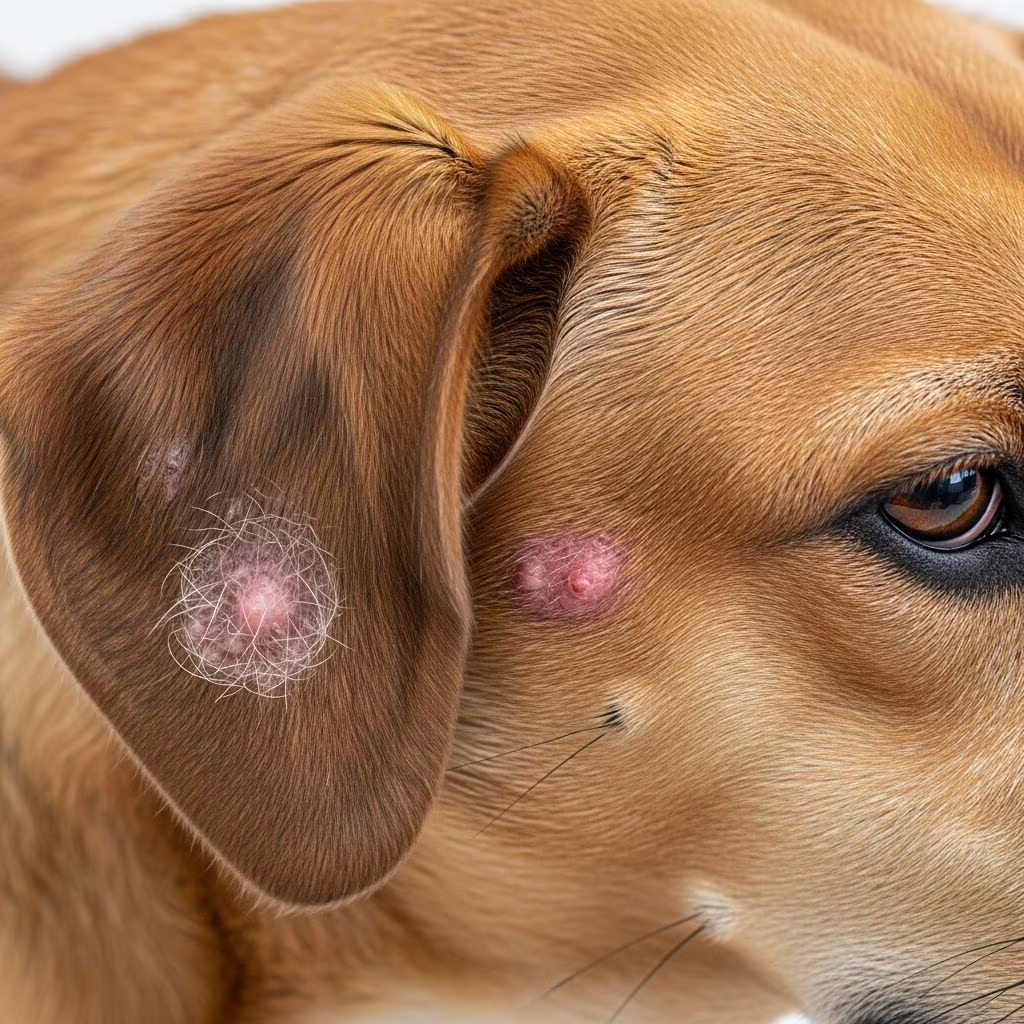
Dogs often suffer from skin conditions that cause discomfort, itching, and visible changes to their coat and skin. These issues range from allergies and infections to parasites and autoimmune diseases, affecting dogs of all ages and breeds. Early recognition of symptoms like excessive scratching, redness, hair loss, or odor is crucial for effective treatment and preventing complications. Veterinary diagnosis through exams, skin scrapings, cytology, or biopsies ensures proper management, improving your dog’s quality of life.
Common Symptoms of Dog Skin Problems
Identifying skin issues early helps prevent worsening. Key signs include:
- Itching and scratching: Constant biting, licking, or chewing, especially paws, belly, or ears.
- Redness and inflammation: Patchy red skin, often hot to the touch.
- Hair loss (alopecia): Bald patches from scratching or underlying disease.
- Scales, crusts, or flakes: Dry, flaky, or crusty skin buildup.
- Odor: Musty, sour, or yeasty smells from infections.
- Bumps, pustules, or sores: Red pimples, scabs, or oozing lesions.
- Thickened or discolored skin: Elephant-like skin or hyperpigmentation.
These symptoms often overlap, requiring professional evaluation to pinpoint the cause.
10 Most Common Dog Skin Conditions
1. Allergies
Allergies top the list of dog skin issues, triggered by food, pollen, dust mites, mold, or flea saliva. Symptoms include intense itching, red skin, paw licking, and recurrent ear infections. Environmental allergies (atopy) worsen seasonally, while food allergies cause year-round issues. Breeds like Bulldogs, Retrievers, and Terriers are prone. Diagnosis involves elimination diets or intradermal testing; management includes antihistamines, hypoallergenic diets, and avoiding triggers.
2. Fleas and Flea Allergy Dermatitis (FAD)
Fleas cause direct irritation and allergic reactions in sensitive dogs. FAD leads to severe itching from flea saliva, with hotspots on the back, tail base, and hindquarters. Even one flea can trigger symptoms. Prevention with monthly topicals, orals, or collars is essential, alongside thorough environmental cleaning.
3. Bacterial Skin Infections (Pyoderma)
Pyoderma, often secondary to allergies or wounds, involves Staphylococcus bacteria causing redness, pustules, scabs, and crusts. Superficial folliculitis shows as bumps in short-haired dogs or dull coats in long-haired ones. Treatment requires 2-4 weeks of oral antibiotics like cephalexin, plus antibacterial shampoos.
4. Hot Spots (Acute Moist Dermatitis)
Hot spots develop rapidly from self-trauma like scratching due to allergies or moisture. They appear as red, moist, oozing sores that spread quickly if licked. Clip hair, clean, and apply antibiotics or anti-itch sprays like Vetericyn. E-collars prevent worsening.
5. Yeast Infections
Yeast (Malassezia) overgrows in moist areas like paws, ears, armpits, and groin, causing itching, thickened greasy skin, black debris, and musty odor. Often secondary to allergies, treated with antifungal shampoos (miconazole, ketoconazole) or orals.
6. Mange (Demodectic and Sarcoptic)
Demodex mites overgrow in immunocompromised dogs (puppies, elderly), causing hair loss around eyes, feet, and body without much itch initially. Sarcoptic (scabies) is highly contagious, intensely itchy with crusty ears and elbows. Treatments include ivermectin, milbemycin, or lime-sulfur dips; isolation for sarcoptic.
7. Ringworm
This fungal infection (dermatophytosis) causes circular alopecia, scaling, and broken hairs. Contagious to pets and humans, diagnosed via Wood’s lamp or culture. Treat with oral antifungals (fluconazole) and lime-sulfur baths; disinfect environment.
8. Seborrhea
Seborrheic dermatitis involves overactive oil glands, leading to dry flaky (sicca) or oily greasy skin with odor. Genetic in breeds like Shar-Peis, managed with medicated shampoos (selenium sulfide) and omega-3 supplements.
9. Autoimmune Skin Diseases
Conditions like pemphigus cause blisters, ulcers, and crusts from immune attack on skin. Symptoms include itching, secondary infections. Treated with steroids, immunosuppressants (cyclosporine), or topicals like tacrolimus. Pulse therapy minimizes side effects.
10. Dry Skin and Environmental Dermatitis
Dry skin from low humidity, poor diet, or allergies shows as flakes, cracks. Environmental irritants like grass cause rashes. Remedy with oatmeal baths, moisturizers, omega fatty acids.
Diagnosis of Dog Skin Conditions
Vets start with history and exam, then:
- Skin scrapings or cytology for mites, bacteria, yeast.
- Flea combing or tape tests.
- Biopsies for autoimmune or cancer.
- Allergy testing or food trials.
- Cultures for ringworm or resistant infections.
Accurate diagnosis guides targeted therapy, avoiding trial-and-error.
Treatment Options for Dog Skin Conditions
Treatments address root causes and symptoms:
Topical Therapies
- Medicated shampoos: Chlorhexidine for bacteria, miconazole for yeast/fungi, oatmeal for soothing.
- Anti-itch creams: Corticosteroids or sprays.
- Moisturizers: Aloe, omega balms for dry skin.
Systemic Medications
| Condition | Treatments |
|---|---|
| Bacterial Infections | Oral antibiotics (cephalexin, amoxicillin) 2-4 weeks |
| Yeast/Fungal | Antifungals (ketoconazole) |
| Allergies/Hot Spots | Antihistamines, steroids, apoquel |
| Parasites | Ivermectin, flea preventives |
| Autoimmune | Immunosuppressants (cyclosporine, prednisone) |
Supportive Care
- Flea control: Monthly preventives.
- Diets: Hypoallergenic or omega-rich.
- E-collars to stop licking.
- Humidifiers for dry environments.
Surgery for growths or chronic issues.
Preventing Dog Skin Conditions
Proactive steps reduce risks:
- Parasite prevention: Year-round flea/tick/heartworm meds.
- Diet and grooming: Balanced food with omegas; regular baths.
- Allergen management: Wipe paws post-walks, hypoallergenic bedding.
- Health monitoring: Vaccinations, checkups for immunocompromised dogs.
- Environment: Clean bedding, avoid irritants.
Breeds like Labs or Frenchies need extra vigilance.
When to See a Vet
Seek immediate care for spreading lesions, severe pain, fever, or no improvement in 48 hours. Chronic issues warrant dermatology referral. Delaying risks secondary infections or scarring.
Frequently Asked Questions (FAQs)
What are the most common dog skin conditions?
Allergies, fleas, pyoderma, hot spots, yeast infections, and mange are prevalent.
What causes crusty skin in dogs?
Bacterial/fungal infections, mange, hot spots, or allergies lead to crusting.
Are dog skin infections contagious?
Some like ringworm and sarcoptic mange are; others like pyoderma or yeast are not.
How long do treatments take?
Bacterial: 2-4 weeks; allergies: lifelong management; parasites: 4-8 weeks.
Can diet help skin issues?
Yes, omega-3s and hypoallergenic foods reduce inflammation and allergies.
References
- Common Dog Skin Issues: How To Spot, Diagnose & Treat — UrgentVet. 2023. https://urgentvet.com/dog-skin-issues-conditions-treatment-diagnosis/
- Understanding Canine Skin Disorders — Creedmoor Road Animal Hospital. 2023. https://creedmoorroadanimalhospital.com/pet-dermatology-in-raleigh-nc/understanding-canine-skin-disorders/
- 10 Most Common Dog Skin Issues: How To Spot, Diagnose, and Treat — PetMD. 2023. https://www.petmd.com/dog/general-health/dog-skin-issues
- Dog Skin Conditions | Causes, Symptoms and Treatment — Vets Now. 2023. https://www.vets-now.com/pet-care-advice/dog-skin-conditions/
- Treatment of Skin Disorders in Dogs — Merck Veterinary Manual. 2023. https://www.merckvetmanual.com/dog-owners/skin-disorders-of-dogs/treatment-of-skin-disorders-in-dogs



