

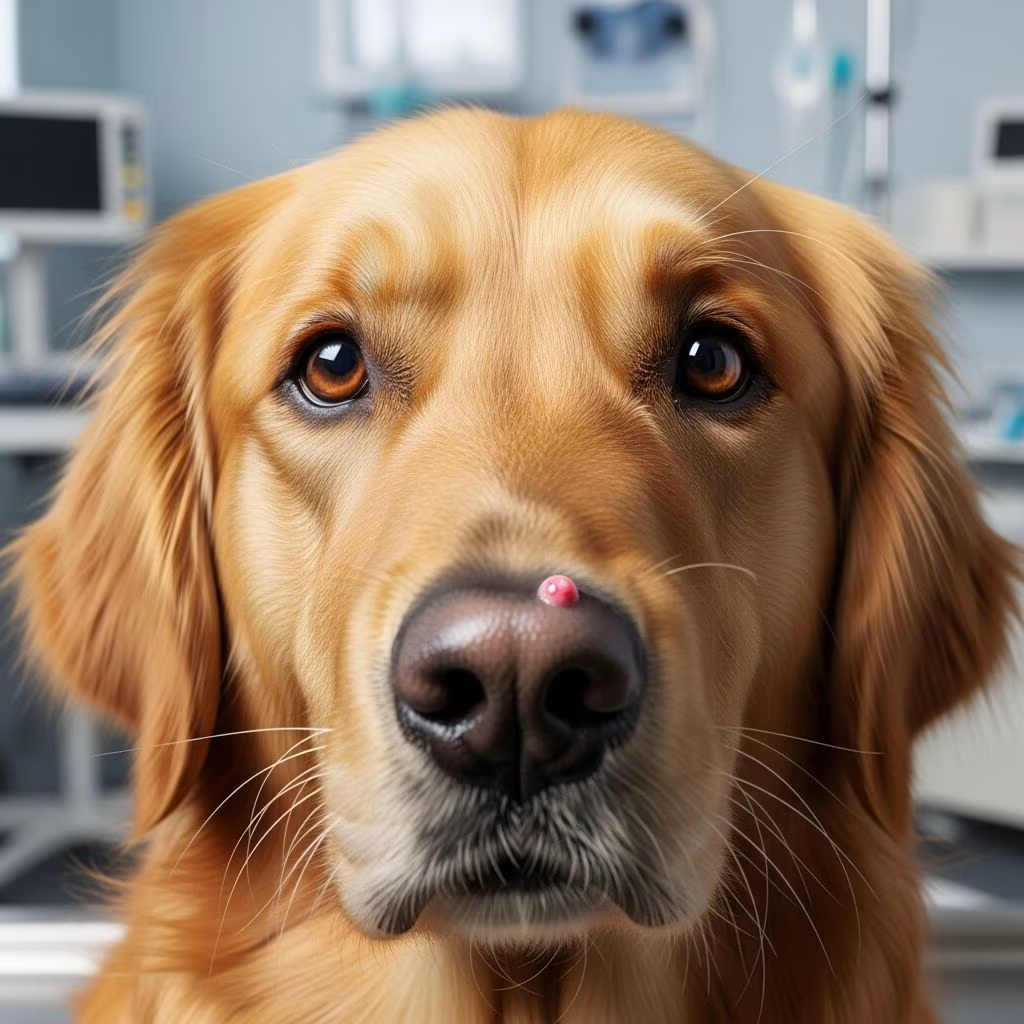
Understanding skin cancer in dogs is crucial for pet owners, as these conditions often present as visible changes on the skin that can be detected early. Common forms include mast cell tumors, melanomas, and squamous cell carcinomas, each with distinct characteristics and treatment approaches. Early intervention through veterinary care significantly improves prognosis and quality of life.
Recognizing Abnormal Skin Changes in Dogs
Dogs frequently develop skin lumps or sores that may seem harmless at first but can indicate serious issues like cancer. Owners should routinely check their dog’s skin during grooming or playtime, looking for persistent abnormalities that don’t heal within a few weeks. Factors such as breed, age, and sun exposure influence risk levels, with older dogs and certain breeds facing higher chances.
- **Raised lumps**: Often red, firm, or rubbery, these can appear anywhere but are common on the trunk, legs, or head.
- **Non-healing ulcers**: Sores that crust over, bleed, or grow larger signal potential malignancy.
- **Discolored patches**: Dark spots, especially on light-skinned dogs, or pale areas that change shape.
- **Itching or inflammation**: Areas that cause discomfort, leading to scratching or licking.
- **Swelling around growths**: Indicates possible histamine release or infection.
These signs warrant immediate veterinary attention, as benign growths like lipomas can mimic cancerous ones. Regular monitoring helps differentiate normal aging changes from threats.
Primary Types of Canine Skin Tumors
Skin cancers arise from different cell layers, leading to varied behaviors. Mast cell tumors top the list in prevalence, followed by aggressive types like melanomas. Each requires specific diagnostic and therapeutic strategies.
Mast Cell Tumors: The Most Frequent Culprit
Mast cell tumors (MCTs) originate from immune cells that release histamine, causing local reactions. They manifest as raised, red lumps, sometimes with hives or welts nearby, and can lead to systemic effects like stomach ulcers or appetite loss. Breeds like Boxers, Bulldogs, and Staffordshire Terriers are predisposed, especially in seniors. Tumors are graded from 1 (low-risk) to 3 (high-risk), with low-grade ones often curable by surgery alone.
Melanomas: Dark and Dangerous
Melanomas develop from pigment cells and appear as dark, irregular lumps on the skin, lips, mouth, or nail beds. They spread rapidly to lymph nodes and lungs, making staging essential. While rare on the skin compared to oral sites, cutaneous versions demand prompt removal to prevent metastasis.
Squamous Cell Carcinomas: Sun-Linked Invaders
These firm, wart-like growths often stem from UV exposure, affecting lightly pigmented areas like the abdomen or ears in breeds such as Dalmatians and Whippets. They invade local tissues but rarely metastasize early, allowing good control with excision and radiation.
| Type | Common Locations | Key Signs | Metastasis Risk |
|---|---|---|---|
| Mast Cell Tumor | Limbs, chest, abdomen | Red lump, swelling, itching | High in grade 3 |
| Melanoma | Mouth, nails, skin | Dark irregular mass | Very high |
| Squamous Cell Carcinoma | Head, legs, belly | Wart-like, ulcerated | Low initially |
Diagnostic Approaches for Skin Abnormalities
Veterinarians use minimally invasive tools to confirm cancer. Fine needle aspiration (FNA) samples cells for microscopic review, often sufficient for MCTs. Biopsies provide detailed grading, while imaging like X-rays or ultrasounds checks for spread. Staging involves lymph node exams and bloodwork to assess overall health before treatment.
For high-suspicion cases, histopathology by a veterinary pathologist determines aggressiveness, guiding therapy. Early diagnosis via these methods boosts survival rates significantly.
Treatment Pathways for Canine Skin Cancer
Tailored plans consider tumor type, size, location, and stage. Multimodal approaches combine methods for optimal results while preserving comfort.
Surgical Interventions
Surgery remains the cornerstone, removing tumors with wide margins to prevent recurrence. For tricky sites, reconstructive techniques aid healing. Low-grade MCTs and localized SCCs often resolve post-excision.
Radiation and Chemotherapy Options
Radiation targets residual cells or inoperable tumors, using precise beams to spare healthy tissue. Chemotherapy suits metastatic or high-grade cases, with dogs tolerating it well under oncologist supervision. Protocols minimize side effects like nausea.
Advanced Therapies: Immunotherapy and Targeted Drugs
Immunotherapy, like the Oncept vaccine for melanomas, stimulates the immune system against cancer cells. Targeted inhibitors block tumor growth pathways in MCTs, offering hope for resistant cases.
- Immunotherapy: Vaccine-like, used post-surgery for melanomas.
- Targeted therapy: Tyrosine kinase inhibitors for specific mutations.
Preventive Measures and Risk Reduction
While genetics play a role, lifestyle tweaks lower odds. Limit sun exposure for light-coated dogs using pet-safe sunscreens and shade. Maintain healthy weight to reduce inflammation-linked risks. Spay/neuter may influence hormone-driven tumors.
Annual vet checkups with skin exams catch issues early. Breeds at risk benefit from genetic screening where available.
Life After Diagnosis: Prognosis and Care
Outcomes vary: low-grade MCTs yield 90%+ cure rates post-surgery, while advanced melanomas have guarded prognoses despite aggressive care. Post-treatment monitoring includes checkups, imaging, and symptom watches. Supportive care like anti-histamines for MCTs enhances comfort.
Owners report good quality of life even with ongoing management, emphasizing palliative options if cure isn’t feasible.
Frequently Asked Questions (FAQs)
What causes skin cancer in dogs?
Genetics, sun exposure, inflammation, and possibly viruses contribute, varying by type.
Are all skin lumps cancerous?
No, most are benign, but any new or changing lump needs vet evaluation.
How much does treatment cost?
Varies widely; surgery starts at $500+, with advanced therapies reaching thousands. Pet insurance helps.
Can my dog live normally after treatment?
Yes, many do, especially with early detection and localized disease.
Is chemotherapy painful for dogs?
Generally not; side effects are milder than in humans, managed effectively.
References
- Signs of Skin Cancer in Dogs and How It Can Be Treated — Veterinary Specialty Center. 2023. https://www.vetspecialty.com/blog/skin-cancer-in-dogs/
- Dog Skin Cancer: Symptoms & Treatment — Purina. 2024. https://www.purina.com/articles/dog/health/skin-fur-ears/dog-skin-cancer
- Common Skin Cancers in Dogs: What Pet Owners Should Know — Tufts University Cummings School of Veterinary Medicine. 2023. https://vet.tufts.edu/news-events/news/common-skin-cancers-dogs-what-pet-owners-should-know
- Skin Cancer in Dogs: Signs, Symptoms, and Types — GoodRx. 2024. https://www.goodrx.com/pet-health/dog/dog-skin-cancer
- Skin Cancer in Dogs: Types, Signs, Symptoms & Treatment — Guilford Jamestown Veterinary Hospital. 2020-05-29. https://www.guilfordjamestownvet.com/site/blog-greensboro-vet/2020/05/29/skin-cancer-dogs
- Skin Cancer in Dogs: Signs, Symptoms, Treatments — American Kennel Club. 2024. https://www.akc.org/expert-advice/health/dog-skin-cancer-types/



