

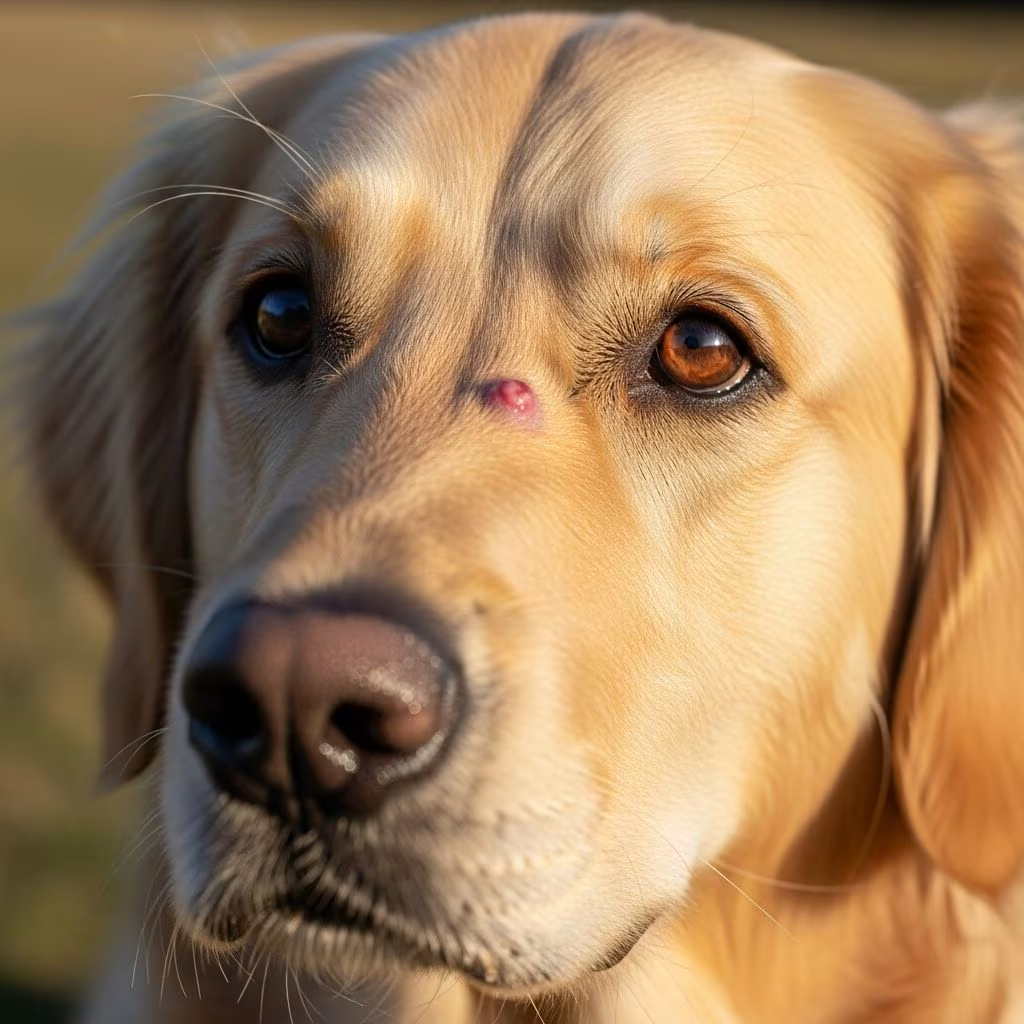
Skin abnormalities in dogs, ranging from benign growths to malignant tumors, require prompt attention from pet owners. Early detection of potential cancers like mast cell tumors, melanomas, and squamous cell carcinomas can significantly improve treatment success and your dog’s quality of life. This guide explores common types, signs, diagnostic approaches, therapies, and preventive measures based on veterinary expertise.
Understanding Skin Growths in Canines
Dogs frequently develop lumps, bumps, or discolored patches on their skin as they age. While many are harmless, such as lipomas or cysts, others signal serious conditions like cancer. Skin tumors account for a substantial portion of canine neoplasms, with malignancy rates varying by breed and location. Owners should routinely inspect their pets, especially light-skinned or short-coated breeds prone to sun exposure.
Benign lesions often appear as soft, movable masses, whereas cancerous ones may grow rapidly, ulcerate, or change color. Factors like genetics, UV radiation, and inflammation contribute to development. Regular grooming and palpation help identify changes early.
Prevalent Types of Canine Skin Malignancies
Several distinct cancers affect dog skin, each with unique characteristics and behaviors.
- Mast Cell Tumors (MCTs): The most frequent skin cancer, originating from immune mast cells. They present as raised, rubbery swellings that may inflame or itch. About 30% in dogs behave aggressively, potentially metastasizing to lymph nodes or organs. Breeds like Boxers and Retrievers are predisposed.
- Melanomas: Pigmented or non-pigmented nodules, commonly on lips, mouth, nail beds, or footpads. Oral forms are highly aggressive, while cutaneous ones vary. The Oncept vaccine offers immunotherapy for melanomas.
- Squamous Cell Carcinomas (SCC): Firm, wart-like growths on sun-exposed areas like the head, ears, abdomen, or legs. Common in light-coated breeds such as Dalmatians, they locally invade but rarely metastasize early.
- Hemangiosarcomas: Vascular tumors appearing as red-black lumps, often on the skin but capable of internal spread. They require aggressive intervention.
- Histiocytic Sarcomas: Rare, rapidly growing masses linked to immune cells, demanding full-body staging.
Recognizing Warning Signs
Monitor for these indicators during daily checks:
- Novel lumps or bumps that enlarge, bleed, or ulcerate.
- Discolored patches, sores that fail to heal, or hairless areas.
- Swelling, redness, or pain around growths.
- Limping from footpad or nail bed lesions.
- Behavioral shifts like scratching or lethargy.
Age increases risk; senior dogs over 7 years warrant extra vigilance. Compare new findings to baseline skin appearance.
Diagnostic Procedures
Veterinarians employ stepwise evaluation:
- Fine Needle Aspiration (FNA): Extracts cells for microscopic review, ideal for MCTs.
- Biopsy: Surgical sampling for definitive typing and grading, assessing metastasis risk.
- Imaging: X-rays, ultrasound, or CT scans check spread to lungs, abdomen, or nodes.
- Bloodwork and Lymph Node Checks: Stage the disease comprehensively.
Pathologist review is crucial to predict behavior, guiding therapy.
Treatment Modalities
Options depend on tumor type, size, location, stage, and dog health. Multimodal approaches often yield best results.
| Tumor Type | Primary Treatment | Adjuncts | Prognosis |
|---|---|---|---|
| Mast Cell Tumors | Surgery with wide margins | Chemo/Radiation for high-grade | Curative if low-grade; 8-month remission avg for advanced |
| Melanoma | Surgery | Oncept vaccine, Radiation | Variable; oral poor |
| SCC | Surgical excision | Radiation for incomplete margins | >2.5 years survival |
| Hemangiosarcoma | Surgery | Chemo | Guarded |
Surgery: Cornerstone for localized tumors, aiming for clean margins where surrounding tissue is cancer-free.
Radiation Therapy: Conventional (15-21 sessions) or stereotactic (1-3 high-precision doses) for inoperable or residual disease. Minimizes healthy tissue damage.
Chemotherapy: For metastatic cases, using drugs like vinblastine for MCTs. Side effects are milder in dogs than humans.
Immunotherapy: Vaccines like Oncept stimulate anti-cancer immunity, used post-surgery for melanomas.
Palliative care focuses on comfort for advanced stages, prioritizing quality of life.
Prognostic Factors
Outcomes hinge on:
- Tumor grade/stage: Low-grade MCTs often cure with surgery.
- Location: Extremities better than oral/mucosal.
- Metastasis: Early detection boosts survival.
- Breed/Health: Robust dogs tolerate treatments well.
Many dogs achieve full recovery or extended remission, living normally post-treatment.
Preventive Strategies for Pet Owners
Minimize risks through:
- Sun Protection: Limit midday exposure for light-skinned dogs; use pet-safe sunscreen or clothing.
- Regular Exams: Monthly skin checks and annual vet visits with aspirates for lumps.
- Spay/Neuter: May reduce hormone-influenced tumors.
- Healthy Lifestyle: Balanced diet, exercise, flea control to curb inflammation.
Breed-specific screening aids early intervention.
When to Seek Veterinary Care
Consult a vet immediately for any suspicious skin change. Delays allow spread, complicating cures. Veterinary oncologists offer specialized input for complex cases.
FAQs
Are all dog skin lumps cancerous?
No, most are benign, but biopsy confirms.
How much does treatment cost?
Varies; surgery $500-$5000, radiation/chemo add thousands. Pet insurance helps.
Can skin cancer be prevented entirely?
Not always, but sun avoidance and checkups reduce risks.
What breeds are most at risk?
Boxers (MCTs), Dalmatians (SCC), Labs (melanoma).
Is radiation painful for dogs?
Minimal discomfort; stereotactic is quick.
Holistic Support During Treatment
Complement therapies with nutrition rich in antioxidants, omega-3s, and probiotics to bolster immunity. Acupuncture or massage may ease side effects. Monitor appetite, energy, and wounds closely, reporting issues promptly.
Emotional support via routines and affection aids recovery. Join owner forums for shared experiences, but rely on vet guidance.
References
- Common Skin Cancers in Dogs: What Pet Owners Should Know — Tufts University Cummings School of Veterinary Medicine. 2023. https://vet.tufts.edu/news-events/news/common-skin-cancers-dogs-what-pet-owners-should-know
- Tumors of the Skin in Dogs — Merck Veterinary Manual. 2024. https://www.merckvetmanual.com/dog-owners/skin-disorders-of-dogs/tumors-of-the-skin-in-dogs
- Skin Cancer in Dogs: Types, Signs, Symptoms & Treatment — Guilford Jamestown Veterinary Hospital. 2020-05-29. https://www.guilfordjamestownvet.com/site/blog-greensboro-vet/2020/05/29/skin-cancer-dogs
- Types of Melanoma in Dogs – Symptoms & Treatments — Pacific Santa Cruz Veterinary Hospital. 2023-04-15. https://www.pacificsantacruzvet.com/site/blog/2023/04/15/melanoma-dog
- Skin Cancer in Dogs — PetCure Oncology. 2024. https://petcureoncology.com/skin-cancer-in-dogs/



