
Dog Skin Allergies: Causes, Symptoms, and Treatment
Complete guide to understanding, identifying, and treating skin allergies in dogs effectively.
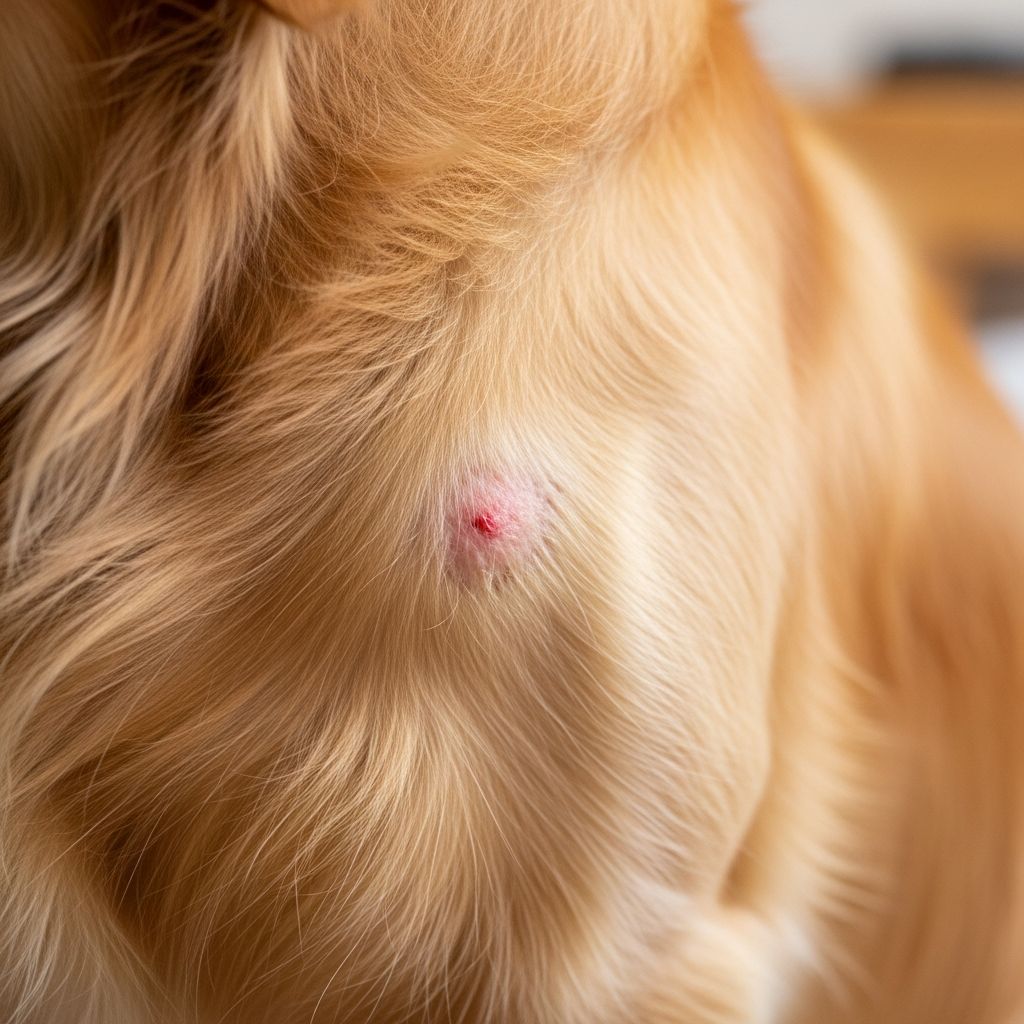
Skin allergies are one of the most common health concerns affecting dogs today. Whether caused by environmental factors, food, or parasites, these allergies can significantly impact your pet’s quality of life. Understanding the underlying causes, recognizing symptoms early, and implementing appropriate treatment strategies are essential for helping your dog find relief from persistent itching and discomfort. This comprehensive guide covers everything pet owners need to know about canine skin allergies.
Understanding Dog Skin Allergies
Dog skin allergies occur when a dog’s immune system overreacts to a normally harmless substance, triggering an inflammatory response on the skin. These allergies manifest in various forms, each with distinct characteristics and treatment approaches. Identifying which type of skin allergy your dog has is crucial for developing an effective treatment plan. Left untreated, skin allergies can lead to secondary infections, chronic discomfort, and even self-inflicted injuries from excessive scratching.
Types of Dog Skin Allergies
Atopic Dermatitis (Canine Atopy)
Atopic dermatitis, also known as canine atopy, is the most common type of skin allergy in dogs. This condition develops when dogs become hypersensitive to environmental allergens including pollen from trees such as oak and cedar, grass, ragweed, dust mites, mold, and mildew. Unlike contact allergies that require direct exposure, atopic dermatitis can affect dogs systematically throughout their body. The condition can be seasonal, occurring during specific times of year when allergen counts spike, or it can be nonseasonal, affecting dogs year-round. Some dogs experience a combination of both patterns, with consistent symptoms that worsen during certain seasons.
Flea Allergy Dermatitis (FAD)
Flea allergy dermatitis represents the second most common skin allergy type in dogs. Dogs with FAD develop hypersensitivity to flea saliva, and remarkably, even a single flea bite can trigger intense itching and significant skin irritation. This heightened sensitivity means that dogs with FAD require strict, year-round flea prevention to remain comfortable. Not only does consistent flea control prevent allergic reactions in susceptible dogs, but it also protects them from serious diseases that fleas can transmit. Maintaining proactive flea prevention is critical for the overall health and wellbeing of dogs prone to this allergy type.
Food Allergies
Food allergies in dogs can develop from various dietary components, though certain proteins are frequently implicated. Common protein sources that trigger allergic reactions include chicken, beef, and pork. However, food allergies can stem from other ingredients as well, making identification challenging. Dogs with food allergies typically experience skin problems including itching, redness, and rashes. Because pinpointing the exact food allergen can be difficult, veterinarians typically recommend transitioning affected dogs to veterinary diets with limited ingredients or to foods containing hydrolyzed proteins, which are broken down into smaller components less likely to trigger allergic responses.
Contact Dermatitis
Contact dermatitis occurs when a dog’s skin comes into direct contact with irritating substances or allergens. Common triggers include certain plants, harsh chemicals, cleansers, caustic materials, and even some dog shampoo formulations. This type of allergy produces localized itching and inflammation in areas where contact occurred. The primary treatment approach involves identifying and eliminating the allergen source, which typically resolves symptoms without additional intervention.
Recognizing Symptoms of Dog Skin Allergies
Pet owners should be alert to various signs indicating their dog may be experiencing skin allergies. Early detection enables prompt treatment and prevents complications.
Primary Symptoms
Excessive Itching and Scratching: Dogs with allergies often scratch, lick, or chew themselves excessively. Problem areas frequently include the paws, armpits, belly, rump, feet, face, ears, front legs, and groin. Some dogs rub against furniture, carpet, or other surfaces to relieve the persistent itching and irritation.
Skin Appearance Changes: Affected skin may appear red, inflamed, or covered with rashes. Crusting, scabbing, pustules, and scaling are common indicators of skin allergies. The skin may feel warm to the touch due to inflammation.
Hair Loss: Excessive scratching frequently leads to hair loss in localized or generalized patterns. Scaling and secondary scabbing develop as the dog continues to scratch and damage the skin barrier.
Secondary Behaviors: Dogs may excessively lick or chew their paws, rub their face on the ground or furniture, and display frequent head shaking, particularly if ears are affected. Recurring ear infections and skin infections often accompany chronic allergic conditions.
Diagnostic Approaches for Skin Allergies
Proper diagnosis is essential for implementing effective treatment. Veterinarians employ several diagnostic methods depending on the suspected allergy type.
Intradermal Skin Testing
Intradermal skin testing represents the gold standard for identifying environmental allergens. During this procedure, a veterinary dermatologist injects tiny amounts of suspected environmental allergens into specific locations on the dog’s shaved skin. The injection sites are then monitored over several days to observe any skin reactions. This specialized test provides accurate identification of environmental allergens and forms the basis for customized immunotherapy treatments.
Elimination Diet Trials
For suspected food allergies, veterinarians typically recommend elimination diet trials. These involve feeding the dog a specialized veterinary diet with very limited ingredients or hydrolyzed proteins for a specific period. If symptoms improve on the limited diet, individual ingredients are gradually reintroduced to identify the specific food trigger.
Treatment Options for Dog Skin Allergies
Once diagnosed, treatment plans are customized based on the allergy type and individual dog response. Most veterinarians recommend a multimodal approach combining several therapies to achieve optimal results.
Medications
JAK Inhibitors: Modern immunomodulatory medications have revolutionized allergy management. Zenrelia (ilunocitinib) and Apoquel (oclacitinib) are JAK inhibitors that help break the itch-scratch cycle in dogs over 12 months of age. These medications work by modulating immune function and reducing inflammation. Zenrelia comes as a once-daily tablet, while Apoquel is available in both tablet and chewable forms. Both can be administered short-term or long-term depending on the dog’s needs. However, these medications are ineffective for food allergies, as they address immune-mediated responses rather than food sensitivities.
Steroids: Corticosteroids such as prednisone can be prescribed to reduce inflammation and decrease immune system activity triggered by skin allergies. Steroids are also found in topical treatments including ointments and ear medications, providing localized relief for affected areas.
Antihistamines: While not the most effective treatment for canine skin allergies, antihistamines like cetirizine (Zyrtec) and loratadine (Claritin) may help in certain cases of atopic dermatitis. Veterinarians might recommend these for dogs with mild to moderate symptoms.
Medicated Shampoos and Topical Treatments
Medicated shampoos play an important supporting role in allergy management. These specialized products contain ingredients specifically formulated to soothe irritated skin, hydrate the skin barrier, and provide relief from itching. Regular bathing with medicated shampoos removes allergens from the coat and skin surface while supporting healing. Topical sprays and ointments provide additional localized relief for affected areas.
Immunotherapy
For environmental allergies identified through intradermal skin testing, immunotherapy offers a long-term solution. This treatment involves either allergy shots or oral allergy drops specifically formulated based on your individual dog’s allergen profile. Immunotherapy works by gradually desensitizing the dog’s immune system to specific environmental allergens over time, potentially reducing or eliminating allergic reactions entirely.
Dietary Management
For dogs with food allergies, implementing dietary changes is essential. Switching to a prescription veterinary diet with limited ingredients or hydrolyzed proteins helps identify food triggers while providing adequate nutrition. Long-term dietary management prevents allergy flare-ups caused by food triggers.
Supportive Care
Beyond prescription treatments, several supportive measures enhance allergy management. Omega-3 supplements possess remarkable anti-inflammatory properties that reduce skin inflammation, improve coat health, and boost immune function. These fatty acids, particularly EPA and DHA, work by lowering pro-inflammatory cytokines, strengthening cell membranes, and improving circulation for faster skin healing. Regular grooming including brushing and bathing removes allergens from the coat. Creating an allergy-friendly home environment through air purifiers, weekly bedding washing, regular vacuuming and dusting, and limiting outdoor exposure during high pollen days significantly reduces allergen exposure.
Long-Term Management Strategies
Successfully managing dog skin allergies requires ongoing commitment and preventive measures. Year-round flea control prevents FAD flare-ups in susceptible dogs. Working closely with your veterinarian to identify and eliminate food triggers prevents allergic reactions. Regular grooming maintains skin health and removes accumulated allergens. An allergy-friendly home environment minimizes allergen exposure. During high pollen seasons, wiping your dog’s paws after outdoor walks and limiting time spent outside reduces environmental allergen exposure.
Frequently Asked Questions About Dog Skin Allergies
Q: What is the most common skin allergy in dogs?
A: Atopic dermatitis (environmental allergies) is the most common skin allergy type in dogs, followed by flea allergy dermatitis and food allergies. Atopy can be seasonal, nonseasonal, or nonseasonal with seasonal flares.
Q: What is the best treatment approach for dog skin allergies?
A: A multimodal approach combining different therapies typically works best. Treatment goals include strengthening the skin barrier, managing itch, and preventing secondary skin infections. Individual responses vary, so working with your veterinarian to find the right combination is important.
Q: Can dog skin allergies be cured?
A: Seasonal and environmental allergies cannot be permanently cured but can be effectively managed through immunotherapy, medications, and lifestyle modifications. Food allergies can often be managed through dietary changes.
Q: How long does it take for allergy treatments to work?
A: Response times vary depending on the treatment type. Some medications like JAK inhibitors provide relief within days, while immunotherapy may take several months to show full benefits.
Q: Are there natural remedies for dog skin allergies?
A: While prescription treatments are most effective, supportive measures like omega-3 supplements and oatmeal baths can help manage symptoms alongside veterinary care.
Q: What happens if dog skin allergies go untreated?
A: Untreated skin allergies can lead to serious infections, chronic discomfort, and self-inflicted injuries from excessive scratching, making prompt treatment essential.
References
- Dog Skin Allergies: Causes, Symptoms, and Treatment — PetMD. 2024. https://www.petmd.com/dog/general-health/dog-skin-allergies
- Contact Dermatitis in Dogs: Common Causes and How To Help — PetMD. 2024. https://www.petmd.com/dog/conditions/skin/contact-dermatitis
- Dog Seasonal Allergies: Symptoms and Treatment — PetMD. 2024. https://www.petmd.com/dog/conditions/skin/seasonal-allergies-dogs
- Skin Allergies in Dogs — Your Pet and You by Elanco. 2024. https://yourpetandyou.elanco.com/us/health-and-care/skin-allergies-in-dogs
- What to Do About Dog Skin Allergies — PetMade Blog. 2024. https://blog.petmade.com/what-to-do-about-dog-skin-allergies/
Similar Articles








Read full bio of medha deb




