

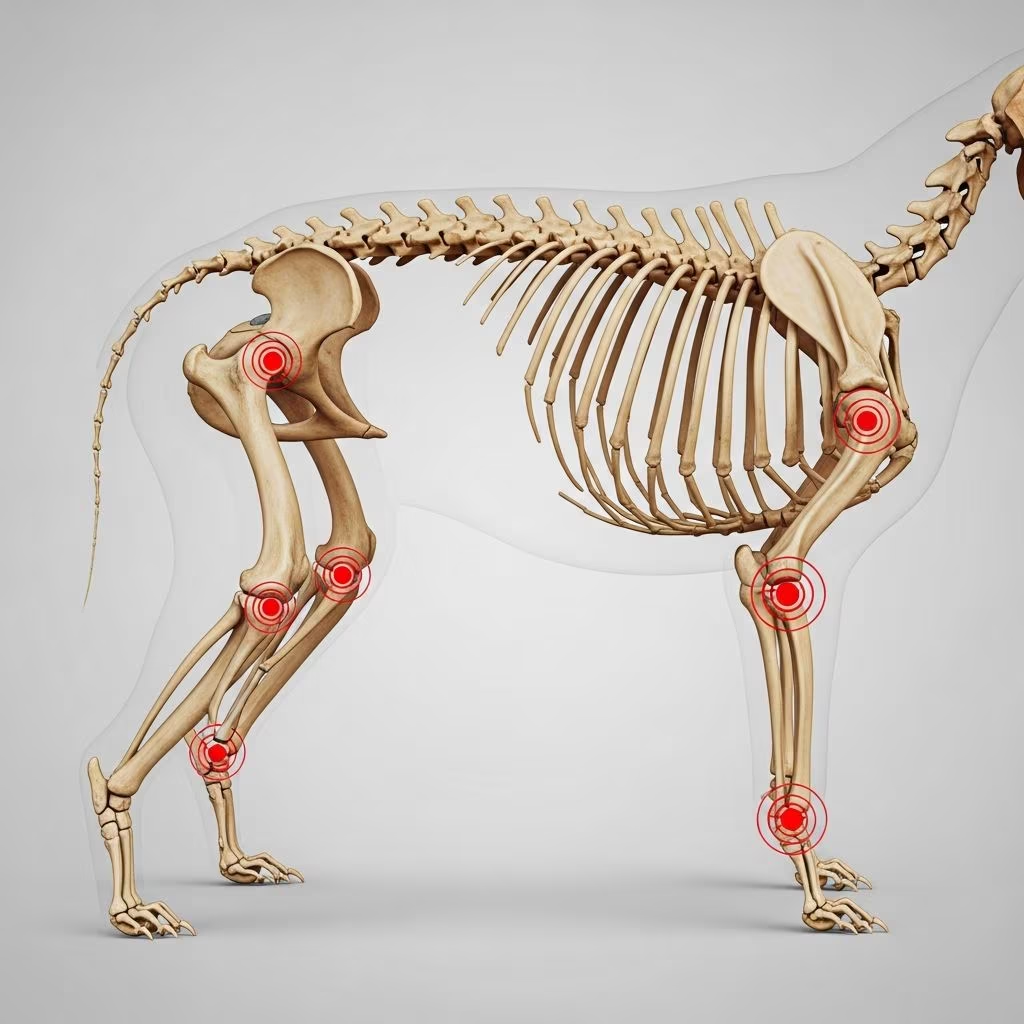
The skeletal system forms the foundation of your dog’s physical structure and mobility. When bone and skeletal disorders develop, they can significantly impact your pet’s quality of life, comfort levels, and ability to engage in normal activities. These conditions range from temporary developmental issues that resolve with proper management to inherited genetic disorders requiring lifelong care. Understanding the various skeletal challenges that can affect dogs helps pet owners recognize early warning signs and seek appropriate veterinary intervention.
Developmental Bone Conditions in Young Dogs
Young dogs, particularly large and giant breed varieties, face unique skeletal vulnerabilities during their rapid growth phases. The stress placed on immature bone structures during this critical developmental window creates opportunities for various disorders to emerge. These conditions typically manifest when dogs are under one year of age, coinciding with periods of accelerated skeletal maturation.
Panosteitis: Understanding Inflammatory Bone Disease
Panosteitis represents one of the most prevalent metabolic bone conditions affecting canines, particularly large and giant breed dogs. This self-limiting inflammatory disease targets the long bones, with the ulna, radius, humerus, femur, and tibia being the most commonly affected sites. The condition develops as a result of inflammation within the bone shaft itself, causing lameness and discomfort in affected animals.
Dogs experiencing panosteitis often exhibit shifting lameness, where pain alternates between different legs over time as inflammation moves from one bone to another. This migration of symptoms can make diagnosis challenging initially. The condition appears linked to rapid skeletal growth, with genetic predisposition playing a significant role—German Shepherd dogs show higher incidence rates compared to other breeds. Environmental factors including diet and stress levels may also contribute to the development or severity of panosteitis.
The good news for pet owners is that panosteitis typically resolves on its own as the dog matures and growth plates close. Management focuses on pain relief and activity restriction during acute flare-ups. Veterinarians may recommend non-steroidal anti-inflammatory medications to enhance comfort while the condition runs its course.
Hypertrophic Osteodystrophy: Growth Plate Complications
Hypertrophic osteodystrophy (HOD), also known as skeletal scurvy or Moller-Barlow’s disease, represents a developmental disease affecting the growth plates of young large and giant-breed dogs. This condition involves inflammation in the areas where new bone formation occurs, disrupting the normal cartilage-to-bone transition process. Impaired blood flow to these critical growth regions prevents proper bone development and calcification.
Breeds commonly affected by hypertrophic osteodystrophy include Great Pyrenees, Standard Poodles, German Shepherds, Labrador Retrievers, Boxers, Weimaraners, and Great Danes. The most frequently involved bones are the radius, ulna, and tibia, with bilateral involvement occurring in approximately 12-16.5% of affected dogs.
Clinical signs of HOD include swelling around the affected joints, reluctance to bear weight, fever, and decreased appetite. Affected dogs may exhibit severe pain when the inflamed areas are touched. Unlike panosteitis, hypertrophic osteodystrophy can potentially cause permanent deformities in the growth plates, resulting in malformed or bowed legs if not managed appropriately. However, most cases prove self-limiting with proper supportive care.
Treatment typically involves pain management with non-steroidal anti-inflammatory drugs or corticosteroids like prednisone to suppress inflammation and promote comfort. Adequate nutrition and controlled exercise become essential components of the management strategy.
Cartilage and Joint Surface Disorders
Osteochondrosis and Osteochondritis Dissecans: Cartilage Defects
Osteochondrosis represents an abnormal development of the cartilage surface at bone endings, most commonly occurring during the peak growth phase of four to eight months of age. This condition predominantly affects large and giant breed dogs when skeletal stress is greatest. The immature joint cartilage may partially or completely separate from the underlying bone structure, creating loose cartilage fragments within the joint cavity.
When cartilage actually detaches from the bone, the condition is termed osteochondritis dissecans (OCD). This separation allows loose cartilage pieces to float freely within the joint, triggering inflammation and interfering with normal bone formation. The shoulder joint faces the highest frequency of involvement, followed by the elbow, knee, and ankle joints in decreasing order.
Young male puppies face elevated risk for osteochondritis dissecans. Beyond rapid growth and genetic predisposition, dietary factors play a significant role—excessive caloric intake combined with too much calcium can encourage the condition’s development. Hormonal imbalances and bone trauma represent additional potential contributing factors.
The pain associated with osteochondritis dissecans can be severe, with affected dogs yelping when the region is touched and exhibiting significant lameness. The shoulder location particularly troubles dogs, and permanent disability may result if the condition goes untreated. Surgical intervention to remove loose cartilage fragments often becomes necessary to prevent long-term joint damage.
Inherited and Genetic Skeletal Conditions
Hip Dysplasia: A Common Developmental Disorder
Hip dysplasia represents one of the most frequently encountered inherited skeletal disorders, particularly in large dog breeds. This developmental condition occurs when the femur (thighbone) fails to fit properly into the hip socket, resulting in abnormal joint mechanics and wear patterns. The improper alignment places excessive stress on joint structures, inevitably leading to osteoarthritis as the dog ages.
The genetic component of hip dysplasia means that predisposed breeds can significantly benefit from selective breeding programs focusing on dogs with healthier hip conformation. However, environmental factors including nutrition, exercise patterns, and growth rate also influence the severity of hip dysplasia in genetically susceptible individuals.
Early detection through radiographic screening allows veterinarians to identify hip dysplasia in young dogs before significant damage develops. Management strategies may include weight management, controlled exercise, anti-inflammatory medications, and in severe cases, surgical intervention to improve hip joint congruency.
Osteogenesis Imperfecta: Brittle Bone Disease
Osteogenesis imperfecta, often called brittle bone disease, is an inherited genetic condition where dogs develop abnormally fragile bones and excessively loose joints. The long bones appear slender with thin outer layers, making them susceptible to fractures from minimal trauma. Veterinarians often identify this condition by observing calluses on bones indicating previous breaks, along with a bluish tinge to the whites of the eyes.
Dogs with osteogenesis imperfecta require careful handling and activity restriction to minimize fracture risk. Genetic testing and careful breeding decisions are essential to prevent perpetuation of this hereditary disorder in dog populations.
Osteopetrosis: Rare Inherited Bone Density Disorder
Osteopetrosis, a rare inherited condition documented in dogs, dramatically alters bone structure and density. Affected puppies are typically stillborn 10-30 days before full-term gestation, making the condition fatal in utero. The disease produces shortening of the lower jaw, impacted molars, and paradoxically fragile long bones despite increased bone density.
In osteopetrosis, bone marrow cavities become filled with dense, spongy bone tissue rather than functional marrow. This pathological change extends to skull bones, causing thickening that compresses brain structures. The combination of skeletal deformities and neurological compromise makes this condition incompatible with life.
Dyschondroplasia: Skeletal Underdevelopment
Dyschondroplasia is a hereditary skeletal disorder characterized by underdevelopment or deformity of limb bones and structures in the trunk and head. This genetic condition affects the normal formation of cartilage and bone, resulting in disproportionate growth and structural abnormalities.
Muscular and Systemic Bone Disorders
Glycogen Storage Diseases and Metabolic Impacts
Glycogen storage diseases represent inherited metabolic conditions affecting how the body processes and stores glucose. These systemic disorders can have secondary effects on skeletal health and muscle function, impacting a dog’s overall mobility and quality of life.
Muscular Dystrophy Variants
Several forms of muscular dystrophy affect canines, with some variants bearing similarity to human Duchenne muscular dystrophy. Golden Retrievers and Irish Terriers show documented cases of these conditions, with male dogs demonstrating higher susceptibility. Affected dogs experience progressive muscular weakness, difficulty swallowing, abnormal gait patterns, and loss of muscle mass. Some dogs develop accompanying heart muscle disease, complicating the clinical picture.
Acquired and Degenerative Skeletal Conditions
Intervertebral Disc Disease: Spinal Complications
Intervertebral disc disease affects the spine through disc rupture or degeneration, disrupting nerve function and causing sudden loss of ambulatory ability. Certain breed characteristics including short or curved legs and elongated backs predispose dogs to higher risk. Small breeds like Toy Poodles, Dachshunds, Shih Tzus, Beagles, and Basset Hounds experience type 1 IVDD most frequently, characterized by acute spinal disc rupture.
Osteoarthritis: Chronic Joint Degeneration
Osteoarthritis develops as a chronic, progressive joint condition often secondary to other disorders or age-related changes. This degenerative process creates stiffness, reduced mobility, and chronic pain that significantly impacts quality of life in aging dogs.
Recognizing Warning Signs
Pet owners should watch for several key indicators suggesting bone or skeletal problems:
- Lameness or reluctance to bear weight on affected limbs
- Swelling around joints or along long bones
- Pain response when bones or joints are touched
- Abnormal gait or stiffness, particularly after rest
- Fever and decreased appetite accompanying bone involvement
- Reduced activity levels or reluctance to climb stairs
- Difficulty rising from lying or sitting positions
- Behavioral changes indicating pain or discomfort
Diagnosis and Management Approaches
Veterinary diagnosis of skeletal conditions relies on physical examination findings combined with radiographic imaging. X-rays reveal bone structure abnormalities, cartilage defects, and joint alignment problems that guide treatment decisions. In some cases, advanced imaging like CT or MRI provides additional detail for complex conditions.
Management strategies vary depending on the specific condition but commonly include:
- Non-steroidal anti-inflammatory medications to control pain and inflammation
- Corticosteroid therapy in specific developmental conditions
- Activity restriction during acute flare-ups
- Weight management to reduce joint stress
- Nutritional optimization tailored to developmental stage
- Surgical intervention for cartilage defects or severe structural problems
- Physical therapy and controlled exercise programs
Prevention and Risk Reduction
While some skeletal conditions are genetically predetermined, owners can implement preventive measures to minimize severity:
- Purchase puppies from breeders with screened parents for hereditary conditions
- Provide age-appropriate nutrition avoiding excess calories and calcium in growing dogs
- Maintain appropriate body weight to reduce joint stress
- Control exercise intensity during critical growth phases
- Avoid repetitive jumping or high-impact activities in young large-breed dogs
- Schedule regular veterinary check-ups to detect early signs
Frequently Asked Questions
At what age do skeletal disorders typically appear in dogs?
Most developmental bone conditions manifest in puppies under one year of age, particularly during rapid growth phases. Large and giant breeds are especially vulnerable during the 4-8 month growth acceleration period.
Can panosteitis cause permanent damage?
Panosteitis is self-limiting and typically resolves as the dog matures. Once growth plates close and skeletal development completes, the condition generally subsides without permanent consequences.
Is hip dysplasia preventable?
While genetic predisposition cannot be eliminated, responsible breeding, appropriate nutrition, and controlled exercise can minimize severity in susceptible dogs. Screening breeding stock for hip dysplasia reduces disease prevalence in offspring.
Do all dogs with osteochondritis dissecans require surgery?
Many cases benefit from surgical removal of loose cartilage fragments to prevent progressive joint damage. Conservative management with pain control may be attempted in mild cases, but surgery often provides better long-term outcomes.
References
- 4 Bone Problems That Can Bother Large-Breed Dogs — South Seattle Veterinary Clinic. Accessed February 24, 2026. https://www.southseattlevet.com/4-bone-problems-that-can-bother-large-breed-dogs
- Congenital and Inherited Disorders of Bones, Joints, and Muscles in Dogs — Merck Veterinary Manual, Russell R. Hanson, DVM, DACVS, DACVECC, Auburn University. Accessed February 24, 2026. https://www.merckvetmanual.com/dog-owners/bone-joint-and-muscle-disorders-of-dogs/congenital-and-inherited-disorders-of-bones-joints-and-muscles-in-dogs
- Bone Problems That Can Affect Your Pet — PetMD. Accessed February 24, 2026. https://www.petmd.com/dog/general-health/bone-problems-can-affect-your-pet
- Juvenile Orthopedic Disease in Dogs & Cats, Part 1: Musculoskeletal Development and Pediatric Bone Diseases — Today’s Veterinary Practice. Accessed February 24, 2026. https://todaysveterinarypractice.com/orthopedics/juvenile-orthopedic-disease-in-dogs-cats-part-1-musculoskeletal-development-pediatric-bone-diseases/
- Bone and Joint Tumors in Dogs — VCA Animal Hospitals. Accessed February 24, 2026. https://vcahospitals.com/know-your-pet/bone-and-joint-tumors-in-dogs
- Common Orthopedic Problems in Dogs — Mill Plain Veterinary Clinic. Accessed February 24, 2026. https://www.millplainvet.com/site/blog/2022/12/22/common-orthopedic-problems-dogs



