

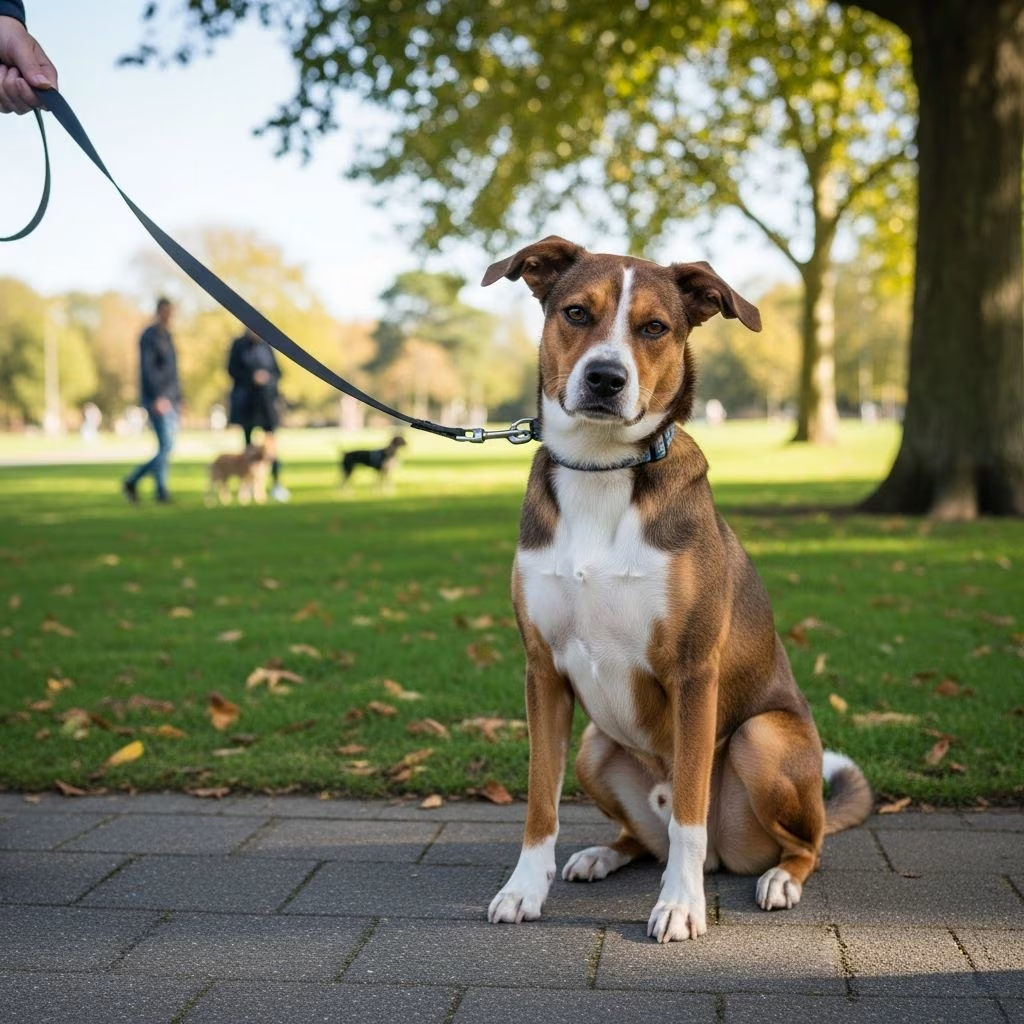
Many dog owners face the frustration of their pet suddenly plopping down mid-walk, halting the adventure abruptly. This behavior, often called “planting,” can stem from physical discomfort, emotional states, or environmental factors. Understanding the root cause allows for targeted solutions that restore enjoyable outings for both you and your canine companion.
Understanding the Behavior: What ‘Planting’ Means
When a dog sits or lies down during a walk, it’s communicating something important. Unlike deliberate stubbornness, this action typically signals a need—whether for rest, relief from pain, or escape from stress. Recognizing patterns, such as when or where it happens, is key to diagnosis. For instance, consistent sitting at the same spot might indicate a specific trigger, while random occurrences could point to fatigue or health concerns.
Physical Health Factors Behind the Sit
Health issues often manifest as sudden stops. Inspect your dog’s paws first: cuts, blisters, thorns, or hot pavement can make every step painful. Rough surfaces may cause raw pads, especially in breeds with sensitive feet.
- Paw injuries: Check for foreign objects, breaks, or burns.
- Musculoskeletal problems: Strains, sprains, or arthritis limit mobility, common in older dogs.
- Systemic illnesses: Conditions like anemia, infections, nausea, or even spinal issues can sap energy abruptly.
Brachycephalic breeds (short-nosed dogs like Bulldogs or Pugs) struggle with breathing during exertion, leading to quick fatigue. Large or heavy breeds may also tire faster on long treks. If your dog avoids bearing weight on a leg, consult a vet promptly.USDA Animal Health notes that early detection of lameness prevents chronic issues.
Fatigue and Environmental Influences
Dogs aren’t marathon runners by default. Overextending a sedentary pet or pushing through extreme weather causes exhaustion. Hot asphalt burns paws (test with your hand—if too hot for 5 seconds, it’s unsafe), while icy paths slip them up.
| Weather Condition | Impact on Dog | Solution |
|---|---|---|
| High Heat/Humidity | Overheating, paw burns | Walk early morning, provide shade/water breaks |
| Cold/Ice | Slippery traction, joint stiffness | Booties, shorter routes |
| Long Distance | Muscle fatigue | Build endurance gradually |
Puppies and seniors need frequent pauses. A dog unaccustomed to exercise might sit after a short distance, signaling it’s time to build stamina slowly.
Emotional and Behavioral Triggers
Not all sits are physical. Fearful dogs freeze near scary stimuli like loud noises, other animals, or unfamiliar areas. Leash novices may sit from confusion or anxiety about restraint.
- Fear/Anxiety: New environments or past traumas cause shutdowns.
- Boredom: Repetitive routes dull interest; dogs sit to “vote with their paws.”
- Distractions: Scents, sights, or social desires (greeting passersby) pull focus.
- Learned Behavior: If carrying reinforces sitting, it becomes a habit.
Young dogs might instinctively hug home territory boundaries. Stress from improper gear—like tight collars—also prompts escape via sitting.
Equipment Check: Harness and Leash Essentials
Ill-fitting gear chafes or restricts, turning walks into ordeals. A too-tight harness pinches, while a loose leash tangles.
- Choose a well-fitted harness over neck collars to distribute pressure evenly.
- Ensure adjustable straps allow free movement without rubbing.
- Test on short walks: No limping or pawing at gear means it’s good.
Veterinary guidelines from the AVMA emphasize comfortable equipment to prevent injury and behavioral fallout.
Practical Solutions to Get Moving Again
Address the cause directly for lasting change. Start with patience: Don’t yank or scold, as it heightens fear.
Immediate Tactics
- Allow a short rest, offer water, then lure with a treat or toy in a cheerful tone.
- Gently tug the leash while praising movement.
- Change direction to spark curiosity.
Training Techniques
Build positive associations through structured practice.
- Leash Desensitization: Practice in a quiet yard, rewarding loose-leash walking.
- Route Variety: Alternate paths, introduce novel smells/sights gradually.
- Positive Reinforcement: Treat only forward motion; ignore sits.
- Endurance Building: Shorten walks initially, increase 10% weekly.
For fear-based sits, pair triggers with treats from afar, closing distance over sessions (counter-conditioning).
Breed-Specific Considerations
Tailor expectations to genetics. High-energy breeds like Border Collies thrive on long hikes, but low-energy ones like Basset Hounds prefer meanders.
- Brachycephalic: Short, cool walks; avoid heat.
- Seniors: Soft surfaces, ramps if needed.
- Puppies: Limit to 5 minutes per month of age.
The AKC provides breed-tailored exercise charts, recommending moderation for vulnerable types.
Prevention Strategies for Smooth Walks
Proactive habits minimize issues:
- Daily health checks: Paws, joints, energy levels.
- Mental enrichment: Puzzle toys pre-walk to tire mentally.
- Consistent routine: Same time, gear, commands build confidence.
- Hydration station: Collapsible bowl always packed.
Track walks in a journal: Note distance, behavior, weather for patterns.
When to Call a Professional
If sits persist despite fixes, or accompany limping/vomiting/lethargy, see a vet. Rule out cancers, neurological issues, or chronic pain. Trainers help with stubborn behavioral cases. Early intervention, per AVMA protocols, improves outcomes dramatically.
FAQs
Why does my puppy sit down on walks?
Puppies tire quickly, fear leashes, or get overwhelmed. Shorten outings and use treats.
Is it bad to carry my small dog when it sits?
Occasionally fine, but habitual carrying teaches dependence. Encourage walking with lures.
How hot is too hot for dog paws?
If you can’t hold pavement 5-7 seconds, skip the walk.
Can diet affect walking stamina?
Yes—poor nutrition leads to anemia/fatigue. Vet-recommended kibble supports energy.
What if my dog only sits near certain dogs?
Fear reactivity; create distance, reward calm, consult trainer.
References
- Animal and Plant Health Inspection Service: Equine Health Guidelines (applicable to lameness detection) — USDA APHIS. 2023-05-15. https://www.aphis.usda.gov/aphis/ourfocus/animalhealth/animal-disease-information/equine
- Walking Your Dog Safely — American Veterinary Medical Association (AVMA). 2024-08-20. https://www.avma.org/resources-tools/pet-owners/petcare/walking-your-dog-safely
- How Far Can You Walk Your Dog? — American Kennel Club (AKC). 2025-02-10. https://www.akc.org/expert-advice/health/how-far-can-you-walk-your-dog/
- Pet Care Guidelines: Exercise for Dogs — World Small Animal Veterinary Association. 2024-11-05. https://wsava.org/global-guidelines/



