

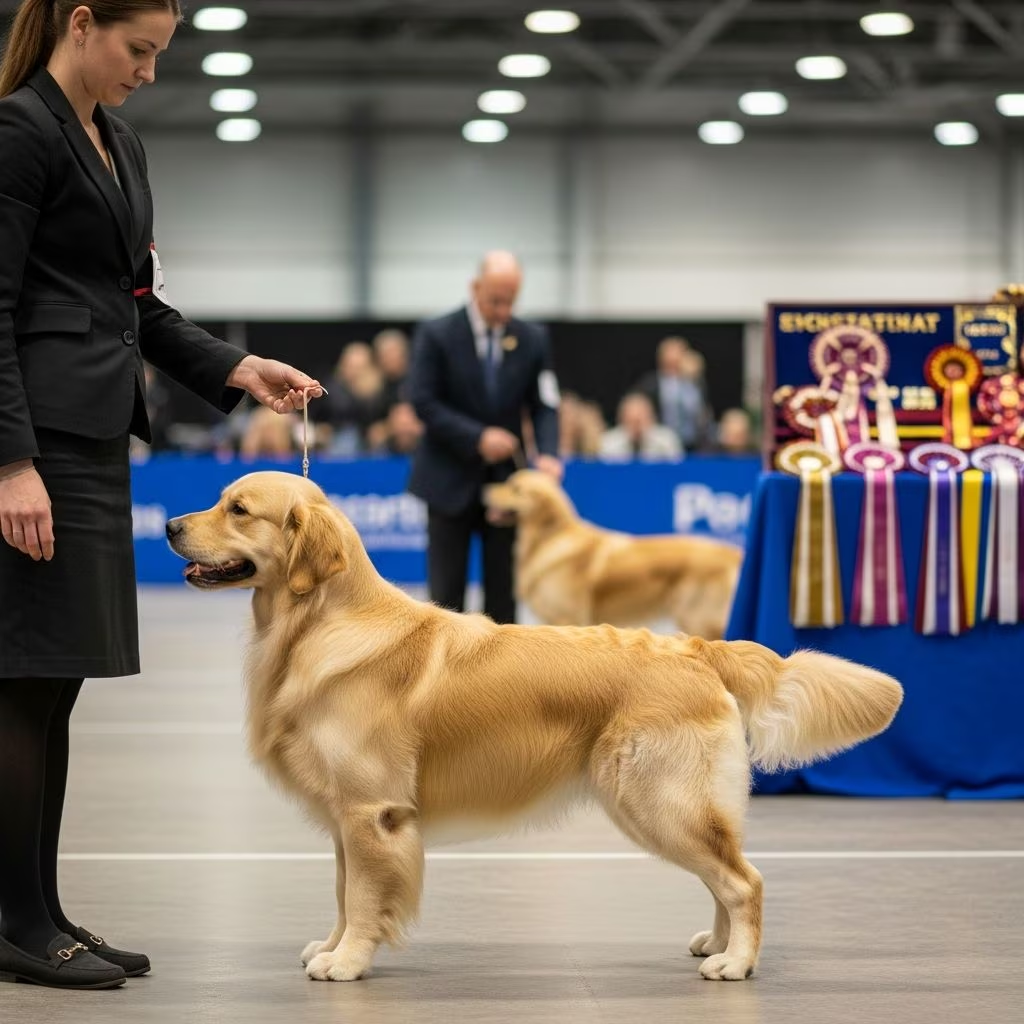
Conformation dog shows represent a pinnacle of purebred canine excellence, where dogs are evaluated against detailed breed standards set by organizations like the American Kennel Club (AKC). These events test structure, movement, and temperament to preserve each breed’s unique purpose and heritage. For newcomers, the specialized language can feel overwhelming, but grasping these terms unlocks the full experience of watching or participating in a show. This guide breaks down essential vocabulary into clear categories, from participant roles and judging awards to competition formats and preparatory practices.
Core Roles in the Ring
Every dog show revolves around people and dogs working in harmony. Understanding who does what clarifies the dynamics inside and outside the ring.
- Exhibitor: The individual responsible for entering and presenting a dog at the event. They manage logistics like registration and ensure the dog is ready for judging.
- Handler: The person who guides the dog through the ring, showcasing its gait and stance. Professionals charge fees for this service, while breeder-owner-handlers perform all roles themselves.
- Judge: An expert appointed to assess dogs against the breed standard. They compare entries objectively, focusing on conformation to ideal traits like proportion and soundness.
- Breeder: The person who produced the dog by mating its parents. Many breeders enter their own dogs to evaluate breeding program success.
These roles often overlap, especially in smaller shows, fostering a community spirit among participants known as the “fancy”—dedicated enthusiasts of specific breeds or showing in general.
Competition Structure and Classes
Dog shows follow a structured progression, starting with breed-level judging and escalating to group and best-in-show finals. Classes divide dogs by age, sex, and experience, ensuring fair competition.
| Class Name | Description | Eligibility |
|---|---|---|
| Puppy | Young dogs under 12 or 18 months, split by age brackets. | Non-champions learning ring presence. |
| Bred-By-Exhibitor | Dogs handled by their breeder-owner. | Promotes home-bred talent. |
| American Bred | Dogs born and owned in the U.S. | National pride category. |
| Open | All non-champion adults. | Broad entry for experienced dogs. |
| Champions (Specials) | Finished champions competing for rankings. | Top-tier breed competition. |
From these classes, Winners Dog (top male) and Winners Bitch (top female) emerge, eligible for points toward championships. The Best of Winners pits these two against each other, with the victor advancing further.
Awards and Honors Explained
Awards mark milestones in a dog’s career, from initial points to ultimate accolades. Each builds prestige within the breed fancy.
- Best of Breed (BOB): The standout dog of its breed, regardless of class. This winner proceeds to group judging.
- Best of Opposite Sex (BOS): The top dog of the sex opposite to BOB, recognizing excellence across genders.
- Best of Winners (BOW): Decides championship points between Winners Dog and Winners Bitch.
- Group 1st through 4th: BOB winners from breeds in one of seven AKC groups (Sporting, Hound, Working, Terrier, Toy, Non-Sporting, Herding) compete; top four advance.
- Best in Show (BIS): The grand champion from group winners, the event’s highest honor.
Specialty shows, hosted by breed-specific clubs, offer Best in Specialty Show (BISS), a coveted title within breed circles. National and regional specialties add layers of prestige.
Event Types and Formats
Not all shows are identical; formats vary to suit different goals and audiences.
- All-Breed Show: Features every recognized breed, offering broad competition and points.
- Specialty Show: Focuses on one breed or variety, often drawing national entries.
- Bench Show: Dogs are displayed on assigned benches between judging, allowing public interaction.
- Match Show: Informal practice event with no championship points, ideal for puppies.
- Miscellaneous Class: For breeds in AKC recognition process.
Publications like the Premium List detail entry rules, judges, and schedules, while the Catalog lists all entrants with pedigrees. Judging Schedules help attendees plan their day.
Breed Standards and Judging Criteria
At the heart of every decision is the Breed Standard: a detailed blueprint from the breed’s parent club, outlining ideal structure, gait, coat, and temperament for function. Judges evaluate Conformation—how closely a dog matches this ideal—checking Soundness (physical and mental health), Type (breed-distinctive qualities), and Expression (head features’ overall appeal).
Key assessments include:
- Stack: The dog’s posed stance for structural exam; a “free stack” shows natural poise.
- Gaiting: Movement around the ring, revealing balance and efficiency.
- Points: Cumulative credits (3-5 per win, varying by entry size) toward 15 needed for championship.
Disqualification (DQ) traits, like missing testicles or breed-specific faults (e.g., wrong eye color), eliminate entries instantly.
Behind-the-Scenes Essentials
Preparation extends beyond the ring. Grooming tailors the coat and trim to standard via bathing, brushing, and scissoring. Bait—treats or toys—keeps attention sharp, though banned by some judges.
Logistics include Armbands (entry numbers worn by handlers), Crates (secure rest areas), and Set-Ups (grooming stations). Pedigree documents ancestry over generations, vital for registration. Purebred means both parents are registered in the same breed without mixed lineage.
Heel commands ensure control during movement. The Superintendent oversees operations, supplying catalogs and equipment.
Groups and Breed Placement
AKC organizes 200+ breeds into seven groups based on historical roles:
- Sporting: Hunters like retrievers.
- Hound: Scent and sight trailers.
- Working: Guardians and drafters.
- Terrier: Earth dogs.
- Toy: Companions.
- Non-Sporting: Varied utilities.
- Herding: Livestock managers.
Group winners vie for BIS, forming the show’s dramatic finale.
Getting Started as a Newcomer
Observe local shows via AKC’s event finder. Join breed clubs for mentorship. Practice stacking and gaiting at home. Enter match shows to build confidence without pressure. Resources like parent club sites offer standards and glossaries.
Frequently Asked Questions
What is a dog show exactly?
A conformation event where purebred dogs compete by matching their breed’s standard, judged on structure and movement for breeding potential.
How do dogs earn championship points?
Winners Dog and Bitch from regular classes earn points based on same-sex competition size; 15 points, including two 3+ point majors, confer CH title.
What’s the difference between a handler and an exhibitor?
Exhibitors own or enter the dog; handlers present it in the ring, often pros for top campaigns.
Can any dog enter a show?
No, entrants must be AKC-registered purebreds, meeting age, health, and entry deadlines.
What makes a great stack?
Feet squarely placed, head alert, body balanced naturally, showcasing breed silhouette.
References
- Dog Show Terms — Superstition Kennel Club. Accessed 2026. https://www.superstitionkennelclub.com/dog-show-terms.html
- Dog Show Vocabulary — Basset Hound Club of Southern California. Accessed 2026. https://www.bhcsc.com/basset-info/dog-show-vocabulary.html
- Dog Show Terms & Lingo: What Common Conformation Words Mean — American Kennel Club. 2023-05-15. https://www.akc.org/expert-advice/sports/dog-show-terms-meaning/
- Glossary — American Kennel Club. Accessed 2026. https://www.akc.org/about/glossary/



