

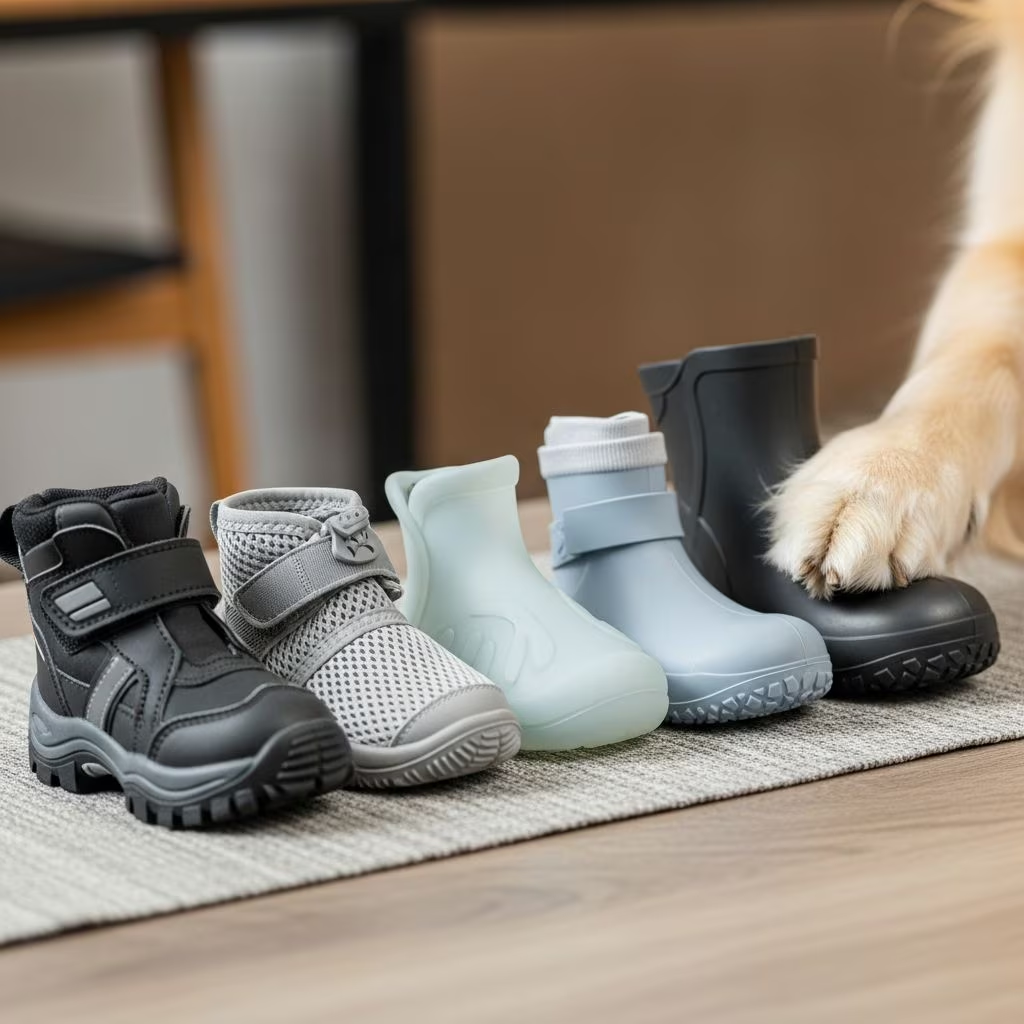
Dog Shoes and Boots: A Comprehensive Guide to Paw Protection
Dog boots and shoes are more than just a fashion statement for our beloved canine companions. They serve as essential protective gear that shields your dog’s paws from environmental hazards, extreme temperatures, and potential injuries. Whether you have a senior dog struggling with mobility, a puppy exploring rough terrain, or simply a pet parent concerned about winter salt and summer heat, understanding the importance of proper footwear can significantly improve your dog’s comfort and health.
In this comprehensive guide, we’ll explore everything you need to know about dog shoes and boots, from their primary purposes to selecting the right pair for your dog’s unique needs.
Why Does Your Dog Need Boots?
Dog boots serve several critical functions that extend far beyond aesthetic appeal. The primary purpose is to provide comprehensive protection for your dog’s paws, which are exposed to numerous environmental threats daily. Understanding why boots matter helps pet parents make informed decisions about their dog’s footwear needs.
Protection from Environmental Hazards
One of the most important reasons to invest in dog boots is to shield paws from sharp objects and rough terrain. Broken glass, sharp rocks, thorns, and other debris can cause painful cuts and wounds that may lead to infection. Dog boots create a protective barrier between your dog’s sensitive paw pads and these potential dangers. Additionally, boots help prevent injuries from uneven terrain and slippery surfaces that can cause strain on joints and ligaments.
Temperature Regulation and Weather Protection
Extreme temperatures pose serious threats to your dog’s paw health. During winter months, ice, snow, and rock salt can cause cracks, dryness, and irritation on bare paws, while potentially leading to frostbite in severe cases. Summer heat presents equally dangerous challenges, as hot pavement and sand can cause painful burns to unprotected paw pads. Quality dog boots with appropriate insulation for winter or breathable materials for summer help maintain paw health year-round.
Chemical and Toxic Substance Protection
Deicers, road salts, and other chemical substances used on winter roads and sidewalks can harm your dog’s paws. These chemicals not only cause physical irritation but can also be ingested when dogs lick their paws, potentially leading to internal health issues. Boots provide a protective barrier against these hazardous substances, reducing your dog’s exposure significantly.
Seasonal Benefits of Dog Boots
Different seasons present unique challenges for your dog’s paws. Proper footwear tailored to seasonal conditions ensures year-round protection and comfort.
Winter Boot Benefits
Winter boots are engineered to provide insulation, traction, and protection from multiple winter hazards simultaneously. They prevent cold-related injuries like frostbite and ice ball formation between paw pads. The enhanced traction helps senior dogs and pets with mobility issues navigate icy surfaces safely without slipping. Winter boots also create a barrier against salt and de-icing chemicals while maintaining your dog’s body heat.
Summer and Hot Weather Protection
Summer boots prioritize breathability while protecting against heat. Boots with perforations and mesh materials allow air circulation to prevent overheating during warm weather walks. These lighter boots shield paws from scorching pavement while maintaining comfort. This is especially important for dogs that spend extended time outdoors during hot months.
Rainy Season and Water Protection
Waterproof or water-resistant boots keep your dog’s paws dry during spring rains and wet conditions. This prevents moisture-related issues like fungal infections and soggy, uncomfortable paws. Dogs with sensitive feet particularly benefit from this protection against wet grass, mud, and damp environments.
Health Benefits Beyond Basic Protection
Dog boots offer health advantages that extend beyond simple paw protection, contributing to overall wellness and mobility.
Improved Traction and Balance
Non-slip dog boots with grippy soles significantly improve traction on slippery indoor surfaces like hardwood, tile, and laminate flooring. This is particularly beneficial for senior dogs, pets with arthritis, or those recovering from surgery who struggle with balance and stability. Enhanced traction helps prevent falls and slips that could exacerbate joint problems or cause new injuries.
Support for Dogs with Mobility Issues
Dogs with arthritis, hip dysplasia, or neurological conditions that affect mobility benefit greatly from supportive boots. The cushioning absorbs impact from jumping and running, reducing stress on joints and promoting joint health. Orthopedic booties with additional support can ease the pressure placed on hips and joints while helping dogs move with greater confidence.
Post-Surgery and Recovery Support
Boots serve as protective gear during recovery from surgery or injury. They prevent wound contamination, protect healing paws from scraping, and can be worn during physical therapy sessions to promote healing. For dogs with conditions like paw knuckling, specialized boots prevent the tops of feet from scraping against surfaces while supporting corrective therapy.
Behavioral and Comfort Benefits
Dogs experiencing discomfort often develop behavioral issues or anxiety. Properly fitted boots eliminate pain from paw contact with harmful surfaces, reducing stress and behavioral problems. When dogs feel secure and comfortable in their footwear, they’re more likely to enjoy outdoor activities and maintain their regular exercise routines.
Pest and Parasite Prevention
Beyond physical protection, boots provide a barrier against outdoor pests. They help deter fleas, ticks, and other bloodsucking insects that live in grass and vegetation, reducing your dog’s exposure to these parasites and the diseases they may carry.
Choosing the Right Dog Boots for Your Dog
With numerous options available, selecting appropriate boots requires careful consideration of your dog’s specific needs and characteristics.
Getting the Perfect Fit
Proper sizing is crucial for boot effectiveness and comfort. Measure each paw’s length and width carefully to ensure a snug yet comfortable fit that won’t restrict movement or circulation. Boots that are too tight can cause discomfort and discourage wearing, while loose boots may slip off or fail to provide adequate protection. Most quality boots come in multiple sizes, so take time to find the exact match for your dog.
Material Selection
Choose boots made from durable, flexible materials that won’t constrict your dog’s paws. Quality options include:
- Silicone-based materials: Offer excellent flexibility and durability while providing reliable protection
- Breathable mesh: Ideal for summer wear, allowing air circulation while maintaining protection
- Weather-resistant polyester ripstop: Keeps moisture and debris out while remaining lightweight
- Rubber soles: Provide excellent traction and are easy to clean
Closure Systems
Different closure mechanisms offer various advantages. Velcro straps provide convenience and quick adjustment while ensuring a snug fit. Hook-and-loop closures cinch around the narrowest part of your dog’s leg for secure positioning. Consider your dog’s size and how easily they can tolerate boot fitting—some dogs respond better to simpler closure systems.
Boot Styles for Different Purposes
| Boot Type | Best For | Key Features |
|---|---|---|
| Lightweight Trail Boots | Hiking, mountain biking, and hot surfaces | Minimal design, flexible rubber sole, excellent ground-feel |
| All-Terrain Boots | Backpacking, rough terrain, varied conditions | Non-marking soles, robust construction, superior traction |
| Winter Insulated Boots | Cold weather, snow, ice, and salt exposure | Insulation, warmth retention, enhanced traction |
| Indoor Traction Socks | Senior dogs, slippery floors, mobility support | Non-slip grip, lightweight, easy to put on and take off |
| Waterproof Boots | Rainy seasons, wet conditions | Water-resistant materials, sealed construction, quick-dry design |
Special Considerations for Different Dog Populations
Senior Dogs and Arthritic Pets
Older dogs with arthritis or joint issues require boots with extra cushioning and non-slip soles. These boots help maintain comfort, prevent slips on indoor flooring, and support aging joints during outdoor activities. Orthopedic options specifically designed for senior dogs provide additional benefits for mobility and pain reduction.
Sporting and Active Breeds
Dogs engaged in trail running, hiking, or other outdoor sports need durable, protective boots with excellent traction and ground-feel. Lightweight options like trail-specific boots allow natural movement while protecting paws from rough terrain and sharp objects.
Dogs with Sensitive Feet
Dogs prone to allergies or paw sensitivity benefit from protective boots that minimize contact with irritants like coarse grass, pine needles, and environmental allergens. These dogs may also need boots during treatment of paw pad issues or dermatological conditions.
Durability and Maintenance
Boot longevity depends on material quality, construction, and the specific conditions they’re exposed to. Investing in higher-quality boots often proves more cost-effective long-term. Regular cleaning and proper storage extend boot life significantly. Most quality boots can withstand years of regular use when maintained appropriately.
Frequently Asked Questions
Q: How do I know if my dog needs boots?
A: Consider your dog’s age, health status, and climate. Senior dogs, those with mobility issues, and dogs living in extreme climates benefit most from boots. If your dog shows signs of paw discomfort, licking excessively, or struggling on slippery surfaces, boots may help.
Q: Will my dog accept wearing boots?
A: Most dogs adapt to boots with gradual introduction and positive reinforcement. Start by letting your dog wear boots for short periods indoors, then gradually increase duration. Reward wearing behavior with treats and praise to create positive associations.
Q: How often should I replace dog boots?
A: Quality boots typically last 1-2 years with regular use. Replace them when you notice significant wear, reduced traction, or fit issues as your dog grows or loses weight.
Q: Can boots help with seasonal allergies?
A: Yes, boots reduce your dog’s contact with environmental allergens like pollen and mold spores present on grass and soil, potentially reducing allergy symptoms.
Q: Are there boots for all dog sizes?
A: Yes, reputable manufacturers offer boots ranging from tiny toy breed sizes to large and giant breed sizes. Always measure your dog’s paws to find the correct fit.
References
- The Science Behind Dog Boots: How They Provide Protection and Support — Canada Pooch. 2024. https://canadapooch.com/blogs/news/the-science-behind-dog-boots-how-they-provide-protection-and-support
- The Benefits of Dog Boots to Protect Paws — Walkin’ Pets. 2024. https://walkinpets.com/blogs/blog/pet-boots-protect-pets-paws
- Choosing the Right Dog Boots or Shoes for Your Dog — American Kennel Club. 2024. https://www.akc.org/expert-advice/lifestyle/dog-boots/
- Non-Slip Traction Dog Boots for Senior Dogs & Slippery Floors — All Dog Boots. 2024. https://www.alldogboots.com/Non-Slip-Dog-Shoes-s/145.htm
- Choosing the Right Dog Boots — Ruffwear. 2024. https://ruffwear.com/pages/choosing-the-right-dog-boots
- Should Dogs Wear Shoes? Benefits of Dog Shoes — AKC Pet Insurance. 2024. https://www.akcpetinsurance.com/blog/does-my-dog-need-shoes
- Preventing Mobility Issues in Dogs — American Veterinary Medical Association. 2024. https://www.avma.org



