

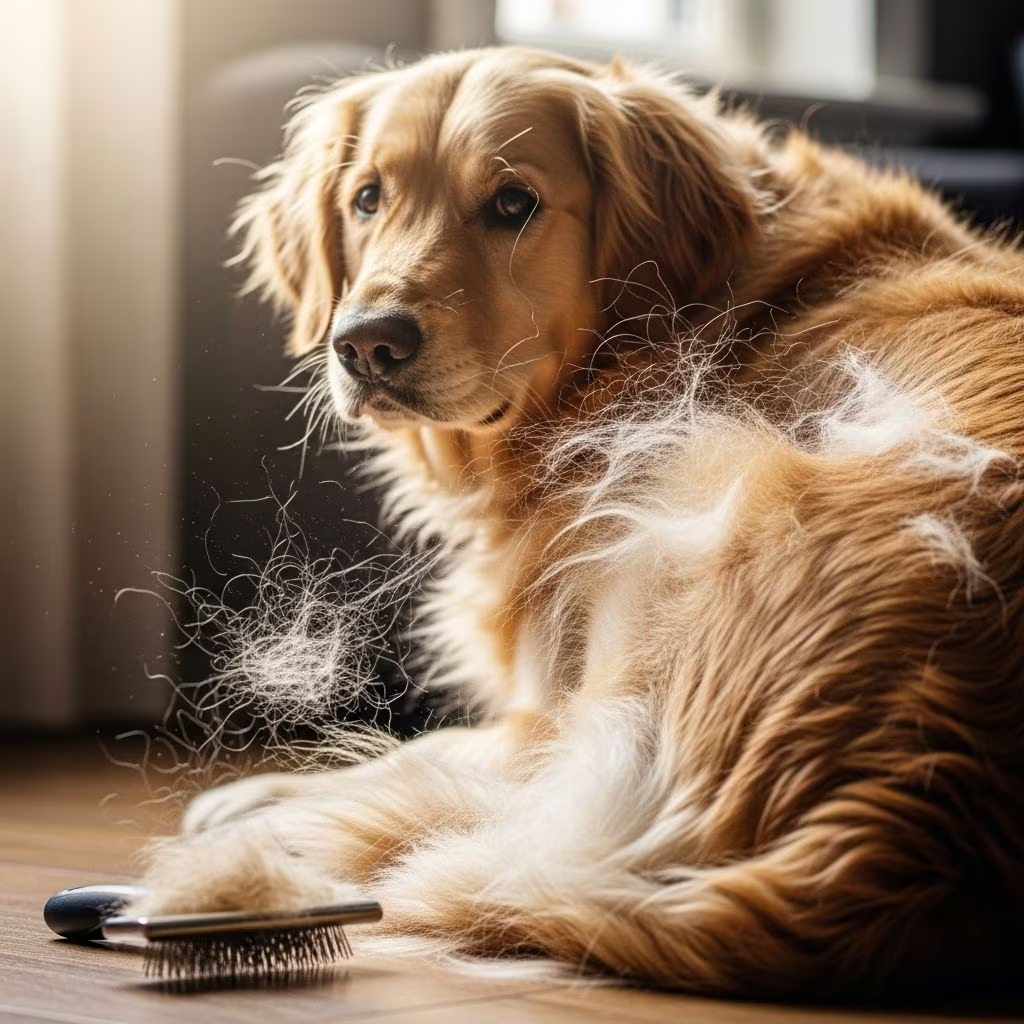
Dog shedding is a normal biological process where old hairs are replaced by new growth, varying by breed, environment, and health. Understanding its causes empowers owners to manage it effectively and spot potential problems early.
The Biology of Canine Hair Cycles
Dogs’ coats consist of hairs that cycle through growth phases: active growth (anagen), transition (catagen), and resting (telogen). During the resting phase, old hairs loosen and fall out to make room for new ones, occurring in a mosaic pattern across the coat to avoid bald spots.
This continuous renewal protects the skin, regulates temperature, and shields from environmental hazards like sun and insects. Double-coated breeds, such as Huskies or Golden Retrievers, have dense undercoats that insulate against heat and cold, leading to more noticeable shedding.
Genetic Foundations of Coat Types and Shedding
Genetics play a pivotal role in determining shedding intensity. Specific genes influence coat length, texture, and fur loss. The RSPO2 gene variant produces wiry coats in breeds like Poodles, which shed minimally as the hair grows continuously rather than cycling rapidly.
The FGF5 gene controls coat length: normal versions yield short fur (e.g., Basset Hounds), while variants create longer coats prone to more shedding (e.g., Golden Retrievers). KRT71 affects curliness, contributing to wiry or curly textures that trap loose hair.
Additionally, the MC5R gene impacts sebum production from sebaceous glands, influencing water repellency and shedding rates in non-wiry breeds. Dogs like Akitas (heavy shedders) differ from Boxers (moderate) due to this gene’s variations.
| Gene | Effect on Coat | Shedding Impact | Example Breeds |
|---|---|---|---|
| RSPO2 | Wiry coat | Low shedding | Poodles, Airedales |
| FGF5 | Short vs. long | Higher with long | Golden Retrievers (long), Boxers (short) |
| KRT71 | Curly/wiry | Reduced shedding | Bichon Frises |
| MC5R | Sebum production | Heavy vs. moderate | Akitas (heavy), Labradors (moderate) |
This table summarizes key genetic influences, highlighting how combinations dictate shedding profiles.
Seasonal and Environmental Shedding Patterns
Outdoor dogs typically shed heavily twice yearly: spring “blow coat” discards thick winter undercoats for summer, while fall regrows insulation for cold weather. Double-coated northern breeds exhibit dramatic seasonal molts.
Indoor dogs, exposed to constant artificial light from bulbs and screens, often shed moderately year-round. This disrupts natural photoperiods, mimicking endless daylight and preventing synchronized molts. Nearly half of dog owners report continuous shedding in house pets.
- Spring Shed:** Prepares for heat by lightening coat.
- Fall Shed:** Builds winter protection.
- Year-Round Indoor Shed:** Light and climate control alter cycles.
Health-Related Causes of Excessive Shedding
While normal shedding is expected, sudden increases signal underlying issues. Poor nutrition tops the list: diets lacking protein, omega-3 fatty acids, or essential fats cause dry, flaky skin and accelerated hair loss. Cheap kibble meeting bare minimums often falls short.
Allergies and intolerances, to food proteins or environmental triggers like pollen, provoke itchy skin, infections, and patchy baldness. Stress from routine changes, new pets, or loud events spikes adrenaline, prompting telogen effluvium—rapid hair push into resting phase.
Parasites such as fleas, ticks, or mange mites irritate skin, worsening shedding. Hormonal disorders like hypothyroidism, Cushing’s disease, or post-spay changes disrupt cycles. Fungal infections (ringworm), bacterial issues, or even tumors can manifest as abnormal fur loss.
Recognizing Problematic Shedding
- Clumps or symmetric bald patches.
- Accompanied by scratching, redness, or odor.
- Sudden onset unrelated to seasons.
- Visible parasites or skin scaling.
Consult a vet promptly for diagnostics like skin scrapes or bloodwork.
Nutrition’s Role in Healthy Coats
A balanced diet supports robust hair growth. Prioritize high-quality proteins (25-30% of diet), omega-3s from fish oil for skin moisture, and zinc for follicle health. Avoid fillers like corn that dilute nutrients.
Supplements like biotin or fatty acids can aid, but vet approval ensures no excesses. Transition foods gradually to prevent digestive upset mimicking allergies.
Practical Strategies to Minimize Shedding
Proactive grooming captures loose fur before it spreads. Brush daily with tools suited to coat type: slicker brushes for long fur, rubber curry for short coats. This stimulates follicles, distributes oils, and reduces mats.
Bathing with moisturizing shampoos every 4-6 weeks prevents dryness-induced shedding; avoid over-bathing, which strips natural oils. Air drying preserves coat integrity over blow-drying.
- Weekly baths with oatmeal or aloe formulas.
- Daily brushing sessions, 5-10 minutes.
- Year-round flea preventives for all household pets.
- High-fiber diets to improve skin from within.
Environmental hacks include lint rollers, robot vacuums, and washable covers on furniture. For heavy shedders, professional grooming every 6-8 weeks thins undercoats safely.
Breed-Specific Shedding Profiles
No two breeds shed identically. Low-shedders like Poodles or Schnauzers benefit from regular clips. Heavy shedders such as German Shepherds demand rigorous brushing routines.
| Breed Type | Shedding Level | Grooming Needs |
|---|---|---|
| Double-Coated | High (seasonal peaks) | Undercoat rake, frequent brushing |
| Single Short Coat | Moderate | Weekly wipe-downs |
| Wire/Curly | Low | Clip every 6 weeks |
FAQs on Dog Shedding
Is excessive shedding always a health problem?
Not necessarily; it could be seasonal or breed-related. Persistent changes with skin issues warrant a vet visit.
Can diet alone stop shedding?
Diet optimizes coat health but won’t eliminate genetic shedding. Combine with grooming for best results.
Do hypoallergenic breeds shed less?
Many have low-shedding coats due to genetics, producing less dander, but none are truly non-shedding.
How often should I brush my shedding dog?
Daily during peak seasons; 2-3 times weekly otherwise to manage fur effectively.
Does spaying increase shedding?
Temporary hormonal shifts post-surgery can, but it normalizes. Monitor for ongoing issues.
Long-Term Coat Health Maintenance
Holistic care sustains minimal shedding: regular vet check-ups catch issues early, exercise reduces stress, and mental enrichment prevents anxiety shedding. Track patterns in a journal to predict peaks and adjust routines.
For multi-pet homes, consistent preventives curb parasite spread. Invest in durable vacuums and washable textiles for sanity. Ultimately, embracing shedding as natural fosters stronger pet bonds amid the fur tumble.
References
- Dog Shedding Explained — Embarkvet. 2023. https://embarkvet.com/resources/dog-shedding-explained/
- Why Is My Dog Shedding So Much? — PetMD. 2024-07-30. https://www.petmd.com/dog/symptoms/skin/excessive-shedding-in-dogs
- Dogs Are Shedding Light on Human Health — NIH IRP. 2010. https://irp.nih.gov/catalyst/19/4/dogs-are-shedding-light-on-human-health
- When and Why Dogs Shed Most — Animal Friends Dermatology. 2024-07-30. https://www.animalfriendsdermatology.com/site/blog/2024/07/30/when-why-dogs-shed-most
- Managing Dog Shedding — AKC. 2023. https://www.akc.org/expert-advice/health/managing-dog-shedding/



