

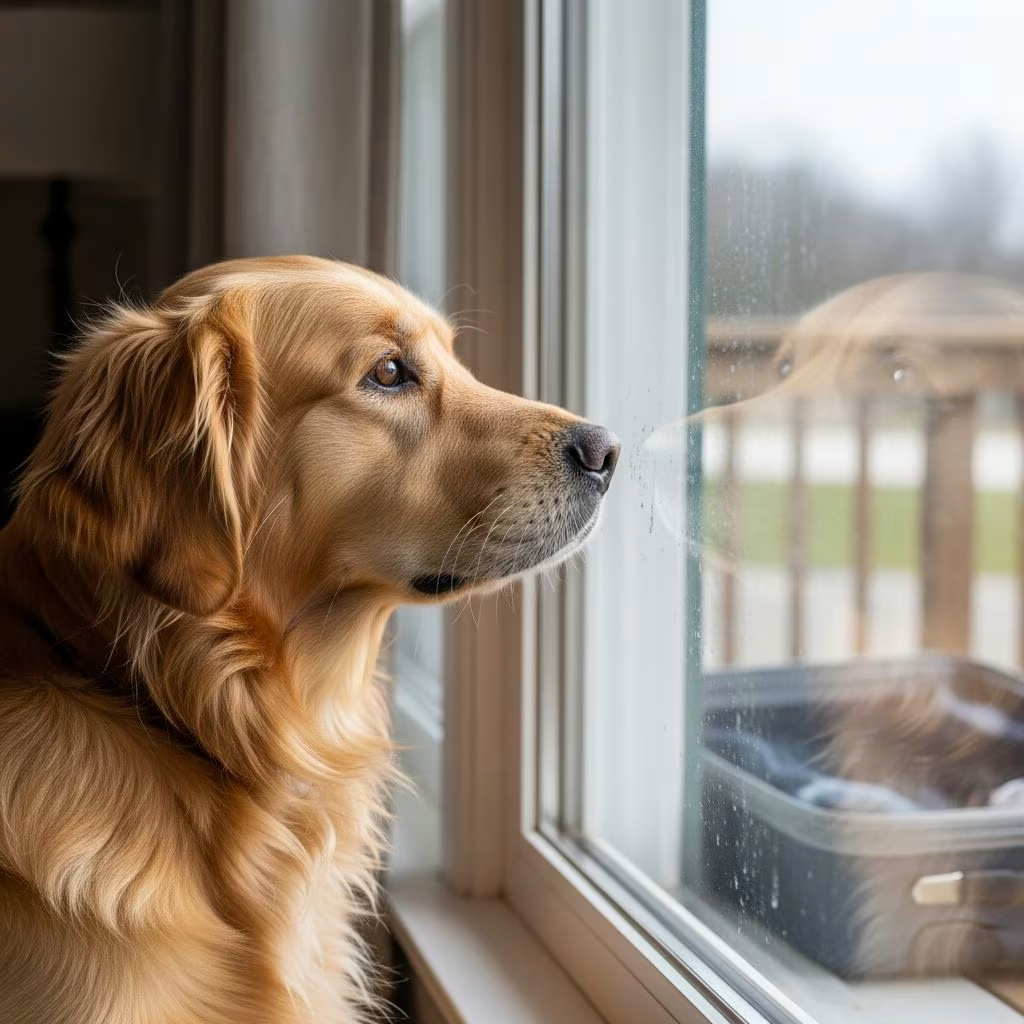
Dog separation anxiety is a prevalent behavioral issue where dogs display intense distress when left alone or separated from their primary caregivers. This condition affects many pets, leading to problematic actions that can harm both the dog and the household. Early recognition and intervention are crucial for improving the dog’s quality of life and restoring household harmony.
Understanding the Roots of Canine Isolation Distress
The origins of separation anxiety in dogs often trace back to major life disruptions or inherent attachment patterns. Common triggers include sudden changes in routine, such as a family member moving out or a shift to a new residence, which can unsettle a dog’s sense of security. Rescue dogs or those with histories of abandonment may be particularly susceptible, as past experiences amplify their fear of solitude.
Age-related factors play a role too; senior dogs might develop anxiety due to cognitive decline or health changes that heighten environmental sensitivity. Genetic predispositions in certain breeds, combined with a lack of early socialization, can exacerbate the issue, though any dog regardless of background can be affected. Traumatic events like loud storms experienced alone or the loss of a companion animal further contribute to this emotional turmoil.
Key Indicators of Distress When Alone
Recognizing separation anxiety requires observing behaviors specifically tied to solitude. Dogs typically show no issues in the owner’s presence but escalate distress shortly after departure. Pre-departure cues like pacing, trembling, or following the owner room-to-room signal impending panic.
- House Soiling: Even well-trained dogs may urinate or defecate indoors upon separation, unrelated to medical issues or incomplete training.
- Vocalizations: Persistent barking, howling, or whining occurs, often starting minutes after the owner leaves and continuing unabated.
- Destructive Tendencies: Chewing furniture, scratching doors, or digging at exits reflects frantic escape attempts, sometimes causing self-injury like broken teeth or paw abrasions.
- Restless Movements: Pacing in fixed patterns, circling, or trotting back and forth wears down paws and signals high anxiety.
- Physiological Signs: Excessive drooling, panting in cool conditions, trembling, or vomiting accompany the behavioral outbursts.
- Appetite and Elimination Oddities: Refusing food when alone or eating feces (coprophagia) stems from extreme stress.
- Over-the-Top Reunions: Extreme excitement upon return, ignoring calm greetings, underscores the emotional rollercoaster.
These signs distinguish anxiety from boredom or mischief, as they cluster around alone time and exit points. Video monitoring confirms patterns, ruling out other causes like noise phobias.
Ruling Out Other Behavioral Mimics
Not all destructive or noisy behaviors indicate separation anxiety. House soiling might stem from incomplete training or medical urinary issues, while chewing could be teething or boredom. Submissive urination happens in the owner’s presence, unlike anxiety-related incidents. Cognitive dysfunction in older dogs or sound sensitivities require veterinary checks to differentiate.
| Behavior | Separation Anxiety Indicator | Alternative Causes |
|---|---|---|
| Indoor Elimination | Only when alone | Medical issues, incomplete training |
| Destruction | At doors/windows | Boredom, teething |
| Barking | Persistent, post-departure | Territorial, external triggers |
| Pacing | Solitary, repetitive paths | Normal exercise needs |
Proven Strategies for Building Independence
Managing separation anxiety emphasizes behavioral modification over punishment, focusing on gradual exposure and positive associations. Counterconditioning pairs alone time with rewards, while desensitization slowly extends solitude durations.
Step-by-Step Desensitization Protocol
- Baseline Assessment: Use cameras to note panic onset time, starting sessions far below that threshold.
- Pre-Departure Neutralization: Perform anxiety-triggering actions like grabbing keys randomly, without leaving, to decouple cues from abandonment.
- Short Absences: Step out for seconds, return calmly with treats before distress, gradually increasing time.
- Incorporate Toys: Provide puzzle feeders or long-lasting chews activated only during absences to link alone time with pleasure.
- Progress Monitoring:
Extend durations by 10-25% weekly, regressing if signs reemerge, aiming for hours over months.
Consistency across household members prevents mixed signals. Crate training, if positive, offers a safe haven but avoid as punishment.
Environmental and Lifestyle Adjustments
- Daily exercise tires dogs physically, reducing anxiety fuel—aim for 30-60 minutes pre-departure.
- Calming aids like pheromone diffusers or anxiety vests provide sensory comfort.
- Background noise from radios or TVs mimics company without overstimulation.
- Doggy daycare or pet sitters bridge transitions for severe cases.
Advanced Interventions and Professional Help
For persistent cases, consult veterinary behaviorists. Medications like SSRIs (e.g., fluoxetine) may augment training, prescribed after exams rule out thyroid issues or pain. Research supports combined therapy efficacy, with 70-90% improvement rates. Natural supplements like L-theanine show promise but lack robust data; prioritize evidence-based approaches.
Therapists tailor protocols, using tools like remote cameras for real-time feedback. Breed-specific tendencies inform strategies—herding breeds may need more mental stimulation.
Preventive Measures for New and Puppy Owners
Proactive habits foster resilient dogs from the start. Encourage independent play with toys, varying alone times during crate rest from puppyhood. Avoid high-drama departures or returns; keep them low-key. Socialization exposes pups to solitude positively, preventing attachment over-reliance.
Real-Life Success Stories and Metrics
Owners report dramatic shifts: one dog’s door-scratching ceased after four weeks of desensitization. Studies indicate 80% of dogs struggle silently alone, but intervention halves distress. Long-term, independent dogs enjoy better welfare, fewer vet visits from stress illnesses.
Frequently Asked Questions
Can all dogs outgrow separation anxiety?
With consistent training, most improve significantly, though some need ongoing management. Early intervention yields best outcomes.
Is crate training helpful or harmful?
If introduced positively, crates become security dens; forced isolation worsens anxiety.
How long does treatment take?
Weeks to months, varying by severity and adherence. Patience prevents setbacks.
Should I get a second dog?
Not always; it may displace anxiety or create new dependencies. Address root issues first.
When to see a vet?
If behaviors persist post-training trial or include lethargy/appetite loss, rule out medical causes.
References
- Separation Anxiety in Dogs: Causes, Symptoms, and Treatment — Northwoods Veterinary Hospital. 2023. https://northwoodsvet.com/separation-anxiety-in-dogs-causes-symptoms-and-treatment-in-north-charleston-sc/
- What Are the Symptoms of Separation Anxiety in Dogs? — Port Isabel Animal Clinic. 2024. https://www.portisabelanimalclinic.com/blog/what-are-the-symptoms-of-separation-anxiety-in-dogs
- Separation Anxiety in Dogs — RSPCA. 2025-01-15. https://www.rspca.org.uk/adviceandwelfare/pets/dogs/behaviour/separationrelatedbehaviour
- Calm a Dog with Separation Anxiety Symptoms — Humane World. 2023. https://www.humaneworld.org/en/resources/calm-dog-separation-anxiety
- Separation Anxiety in Dogs — VCA Animal Hospitals. 2024. https://vcahospitals.com/know-your-pet/separation-anxiety-in-dogs
- Separation Anxiety — ASPCA. 2024. https://www.aspca.org/pet-care/dog-care/common-dog-behavior-issues/separation-anxiety
- Separation Anxiety in Dogs: Causes, Signs, and Solutions — Best Friends Animal Society. 2023. https://bestfriends.org/pet-care-resources/separation-anxiety-dogs-causes-signs-and-solutions



