
Dog Separation Anxiety Guide
Comprehensive strategies to identify, manage, and overcome separation anxiety in dogs for happier pets and owners.
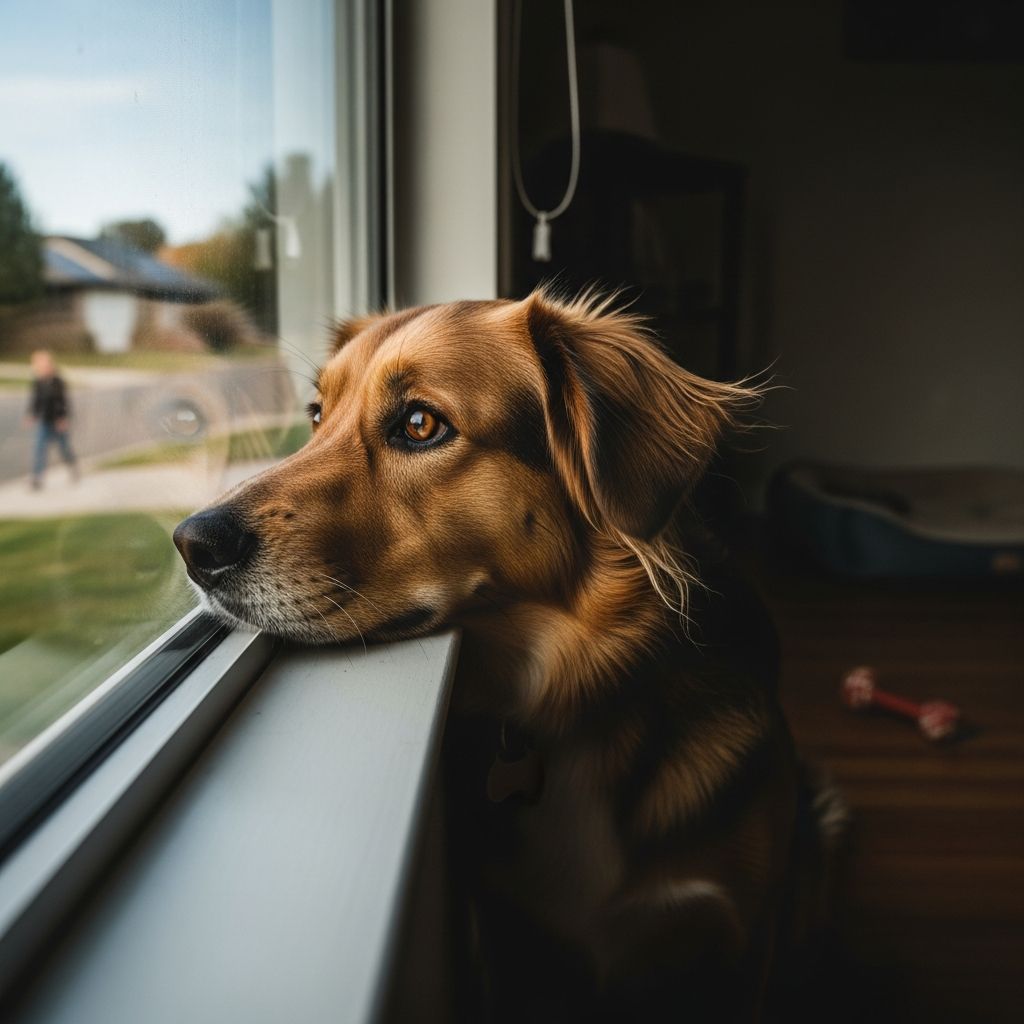
Dog separation anxiety is a prevalent behavioral issue where dogs exhibit intense distress when left alone by their owners. This condition manifests as vocalizations, destruction, and elimination, significantly impacting both pet and owner quality of life.
Understanding the Nature of Canine Separation Distress
Separation anxiety differs from normal canine behaviors like occasional whining or mischief due to boredom. It equates to a panic attack in humans, with dogs displaying unrelenting stress from departure until return. Research indicates it’s not always a standalone diagnosis but often stems from underlying frustrations such as escape desires, barrier reactions, or social fears.
Approximately 8 out of 10 dogs struggle when isolated, though half show subtle signs owners overlook. Recognizing this as distress rather than naughtiness is crucial for effective intervention.
Common Triggers Behind Separation Anxiety
Several factors precipitate this condition. Life changes like moving homes, family additions, or losses of companions (human or animal) disrupt security. Puppies or rescues unaccustomed to solitude, or dogs facing sudden absences after constant companionship, are particularly vulnerable.
- Sudden schedule shifts: Owners returning to work post-pandemic or vacations.
- Traumatic events: Burglaries, vet visits, or boarding during owner absence.
- Environmental stressors: Noises, health issues, or aging that heighten environmental fears.
- Genetic predispositions: Some breeds or personalities are clingier, amplifying risks.
Recent studies from the University of Lincoln, analyzing over 2,700 dogs across 100 breeds, pinpoint root causes: avoidance of home elements, attraction to external stimuli, noise reactivity, and boredom.
Key Behavioral Indicators to Watch For
Symptoms emerge as owners prepare to leave and persist during absence. Dogs may shadow owners room-to-room, tremble, pant, or salivate excessively.
| Symptom | Description | Frequency |
|---|---|---|
| Excessive Vocalization | Barking, howling, whining non-stop | Very Common |
| Destructive Actions | Chewing doors/windows, furniture; escape attempts | Common |
| House Soiling | Urination/defecation by trained dogs | Common |
| Pacing/Trembling | Restless movement, rapid breathing, shaking | Frequent |
| Coprophagia/Drooling | Eating feces, heavy salivation puddles | Less Common |
Upon return, dogs may exhibit hyper-excitement or clinginess, reinforcing the cycle if greeted enthusiastically. Differentiate from issues like incomplete house-training, teething, or phobias via video monitoring absences.
Health and Age-Related Contributors
Older dogs or those with medical conditions may develop anxiety anew due to cognitive decline or pain increasing environmental sensitivity. Rule out urinary issues or gastrointestinal problems mimicking soiling.
Diagnostic Steps for Accurate Assessment
Consult veterinarians to exclude medical causes. Use home cameras to observe behaviors, noting triggers and duration. Vets may recommend behaviorists for tailored plans, as anxiety strains human-animal bonds.
Proven Management and Treatment Approaches
Treatment emphasizes gradual desensitization, counterconditioning, and enrichment over punishment, which worsens fear. Success rates improve with consistency.
Desensitization Techniques
Build tolerance by practicing short departures. Start with calm exits (no cues like grabbing keys), return before distress, rewarding quietude.
- Leave for 1-5 minutes, increase gradually.
- Practice multiple daily sessions.
- Ignore pre-departure anxiety signals.
Counterconditioning Methods
Pair departures with positives: feed treats/toys only when alone, creating positive associations.
Enrichment and Exercise Strategies
- Daily physical activity: 30-60 minutes walks/tire dogs mentally/physically.
- Interactive toys: Puzzle feeders, Kongs with frozen treats.
- Safe confinement: Crate or dog-proof room with comforts.
Role of Professional Interventions
For severe cases, vets prescribe short-term anti-anxiety medications like fluoxetine, alongside behavior modification. Certified behaviorists use protocols based on studies showing 70-90% improvement.
Preventive Measures for New and Current Dogs
From puppyhood, foster independence: crate training, alone time with toys, avoid over-reliance. Post-adoption, maintain routines during transitions.
Realistic Expectations and Long-Term Outlook
Improvement takes weeks to months; consistency is key. Most dogs achieve comfort with proper management, enhancing household harmony.
Frequently Asked Questions (FAQs)
Can all dogs outgrow separation anxiety?
Many improve with intervention, but some require ongoing management. Early action yields best results.
Is crate training helpful?
Yes, if introduced positively as a safe haven, not punishment.
Should I punish destructive behavior?
No; it heightens fear. Focus on prevention and positives.
How long until improvement?
Typically 4-8 weeks with diligent practice.
When to seek vet help?
If symptoms persist post basic trials or include self-harm.
References
- New research identifies root causes of separation anxiety in dogs — AVMA. 2020-05-15. https://www.avma.org/javma-news/2020-05-15/new-research-identifies-root-causes-separation-anxiety-dogs
- Separation Anxiety in Dogs: Causes, Symptoms, and Treatment — Northwoods Veterinary Hospital. Accessed 2026. https://northwoodsvet.com/separation-anxiety-in-dogs-causes-symptoms-and-treatment-in-north-charleston-sc/
- Separation Anxiety in Dogs: Causes, Signs, and Solutions — Best Friends Animal Society. Accessed 2026. https://bestfriends.org/pet-care-resources/separation-anxiety-dogs-causes-signs-and-solutions
- Separation Anxiety In Dogs (the symptoms and how to help your dog) — Animal Emergency Service. Accessed 2026. https://animalemergencyservice.com.au/blog/separation-anxiety-in-dogs/
- Separation Anxiety in Dogs: Signs, Causes, and Prevention — American Kennel Club. Accessed 2026. https://www.akc.org/expert-advice/training/dog-separation-anxiety/
- Separation Anxiety in Dogs — VCA Animal Hospitals. Accessed 2026. https://vcahospitals.com/know-your-pet/separation-anxiety-in-dogs
- Separation Anxiety in Dogs — PetMD. Accessed 2026. https://www.petmd.com/dog/conditions/behavioral/separation-anxiety-dogs
- Separation Anxiety in Dogs — RSPCA. Accessed 2026. https://www.rspca.org.uk/adviceandwelfare/pets/dogs/behaviour/separationrelatedbehaviour
Similar Articles








Read full bio of medha deb




