

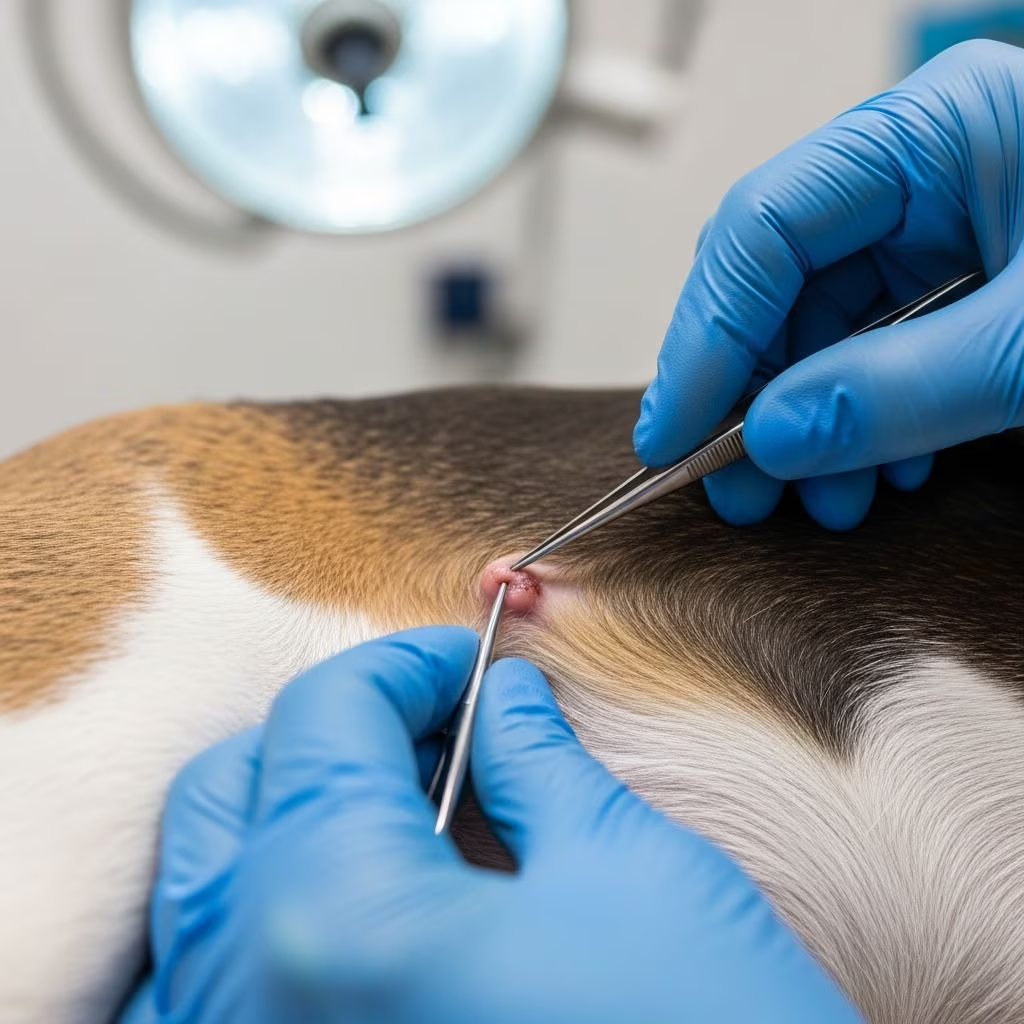
Sebaceous cysts are common benign skin growths in dogs, filled with oily material from blocked sebaceous glands. While often harmless, they may require removal if they grow, rupture, infect, or cause discomfort. Veterinary intervention ensures safe management, preventing complications like secondary infections.
Understanding Sebaceous Cysts in Canines
These cysts form when sebaceous glands, which produce sebum to lubricate skin and fur, become obstructed. The buildup creates a sac-like structure under the skin, typically firm and round. Breeds like Cocker Spaniels, Labrador Retrievers, and Schnauzers are more prone, but any dog can develop them.
Symptoms include painless lumps that may feel movable. Unlike malignant tumors, they rarely spread but can mimic other conditions, necessitating professional evaluation.
Signs Your Dog Needs Cyst Evaluation
- Growing lumps: Steady increase in size signals potential issues.
- Rupture or bleeding: Opening exposes contents, risking infection.
- Redness and swelling: Indicates inflammation or abscess formation.
- Persistent presence: Cysts not resolving naturally warrant checks.
- Multiple occurrences: Recurring in various spots may point to underlying factors.
Early detection prevents escalation. Regular grooming and skin inspections aid in spotting changes promptly.
Diagnostic Approaches for Skin Lumps
Veterinarians start with physical exams to assess lump characteristics. Advanced diagnostics confirm cyst nature, ruling out cancers like mast cell tumors.
Fine Needle Aspiration (FNA)
This minimally invasive test uses a thin needle to extract cells or fluid for microscopic review. It’s quick, often sedation-free for calm dogs, and distinguishes cysts from tumors. Results may show oily debris or normal cells in small cysts.
Biopsy and Imaging
For inconclusive FNA, biopsies remove tissue samples or entire lumps. Surgical biopsies can be curative if complete excision occurs. Imaging like ultrasound evaluates deeper involvement.
| Method | Description | Pros | Cons |
|---|---|---|---|
| FNA | Needle extracts sample | Quick, low-cost, no sedation | May yield inconclusive results |
| Biopsy | Tissue removal for analysis | Definitive diagnosis, potentially curative | Invasive, requires anesthesia |
| Imaging | Ultrasound/X-ray | Views internal structure | Additional cost, not always needed |
When Surgical Removal Becomes Essential
Observation suits small, stable cysts, but surgery is advised for problematic ones. Never squeeze cysts yourself—rupture releases contents into tissues, provoking severe reactions and infections.
Indications for surgery include infection, interference with movement, ulceration, or diagnostic uncertainty.
Surgical Procedure Details
Under general anesthesia, vets excise the cyst with surrounding margins to prevent regrowth. Laser options suit some cysts, minimizing bleeding. Costs range $450-$1000 based on size and location.
Pre-op bloodwork ensures anesthesia safety. Post-excision, tissues go for histopathology to confirm benign status.
Post-Operative Care for Optimal Recovery
Recovery typically spans 10-14 days. Key steps:
- Wound monitoring: Check for redness, discharge; clean as instructed.
- E-collar use: Prevents licking, reducing infection risk.
- Medications: Antibiotics, pain relievers like Rimadyl manage discomfort.
- Activity restriction: Limit jumps, runs to aid healing.
- Follow-ups: Suture removal at 10-14 days.
Complications like dehiscence are rare with proper care. New cysts may form elsewhere, unrelated to prior removal.
Factors Influencing Treatment Choices
Age, health, and location matter. Seniors may undergo surgery if labs are normal and location allows clean closure. Challenging spots like near eyes or joints need specialists.
Vets weigh risks: local anesthesia risks inadequate numbing for deep cysts. Dermatology referrals offer advanced options.
Preventive Measures and Long-Term Management
No guaranteed prevention exists, but strategies help:
- Regular vet check-ups for skin exams.
- Balanced diet supporting skin health.
- Grooming to spot issues early.
- Address allergies or hormonal imbalances promptly.
Multiple cysts may indicate breed predisposition or genetics; monitor accordingly.
Common Myths About Dog Cysts
- Myth: Home remedies cure cysts. No evidence supports squeezing or topicals; they worsen outcomes.
- Myth: All lumps are cancerous. Most are benign, but diagnostics confirm.
- Myth: Surgery always recurs cysts. Proper excision prevents regrowth at site.
FAQs on Sebaceous Cyst Removal in Dogs
Can sebaceous cysts resolve without surgery?
Some remain stable, but monitoring is key. Surgery addresses problematic cases.
Is general anesthesia safe for older dogs?
Yes, with pre-op screening. Vets tailor plans to health status.
How long does recovery take?
1-2 weeks for suture removal; full healing in 3-4 weeks.
Will my dog get more cysts?
Possibly in new areas, but removal doesn’t cause spread.
What if the cyst bursts before surgery?
Clean gently; seek vet care for antibiotics and drainage.
Choosing the Right Veterinary Specialist
General vets handle routine removals. For complex cases, board-certified surgeons or dermatologists excel. Experience with soft tissue procedures ensures best results.
Ask about anesthesia protocols, histopathology submission, and success rates.
References
- Sebaceous cysts in dogs. Are they really sebaceous? — Vets and Clinics. 2023. https://vetsandclinics.com/es/biblioteca/sebaceous-cysts-in-dogs-are-they-really-sebaceous
- Sebaceous Cyst in Dogs: Appearance, Diagnosis, and Treatment — ToeGrips. 2024. https://toegrips.com/sebaceous-cyst-dog/
- What’s the difference between a sebaceous cyst and other lumps? — Fetch Pet. 2023. https://www.fetchpet.com/canada/the-dig/sebaceous-cyst-dog
- Cyst Removal In Dogs: A Common Bump In The Road — Dr. Kelly’s Vet. 2024. https://www.drkellysvet.com/cyst-removal-in-dogs-a-common-bump-in-the-road/
- Soft Tissue Surgery for Pets: Removing Lumps or Growths — Aspen Veterinary Clinic. 2024. https://www.aspenvetclinic.com/soft-tissue-surgery-for-pets-removing-lumps-or-growths-on-your-cat-or-dog/
- Lumps, Bumps, and Cysts on Dogs — PetMD. 2025. https://www.petmd.com/dog/symptoms/lumps-bumps-and-cysts-dogs
- Cysts – VCA Animal Hospitals — VCA Hospitals. 2024. https://vcahospitals.com/know-your-pet/cysts



