

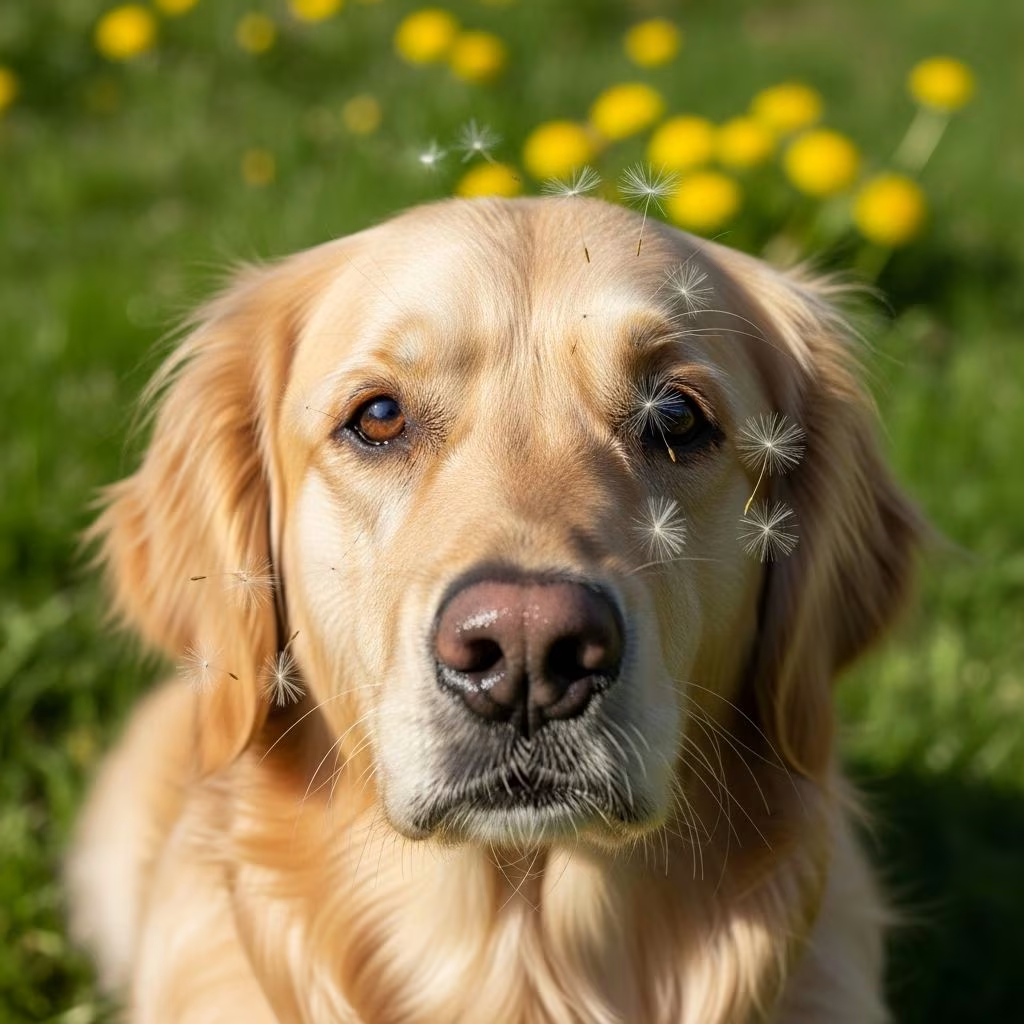
Understanding Dog Seasonal Allergies
Just like humans, dogs can suffer from seasonal allergies caused by environmental triggers such as pollen from trees, grass, and weeds, mold, yeast, and dust mites. These allergens change with the seasons, causing discomfort and itching in affected dogs. While seasonal allergies cannot be cured, they can be effectively managed to improve your dog’s quality of life and comfort throughout allergy seasons.
Seasonal allergies in dogs are a common concern for pet owners, and understanding the condition is the first step toward providing relief. With proper management and preventive measures, most dogs with seasonal allergies can live comfortably and experience fewer symptoms during peak allergy times.
Common Signs of Seasonal Allergies in Dogs
Recognizing the symptoms of seasonal allergies is crucial for early intervention and treatment. Dogs with seasonal allergies may exhibit various signs that indicate they need veterinary attention and care.
Common symptoms of dog seasonal allergies include:
- Excessive scratching or licking, particularly on the paws, ears, face, and belly
- Red, inflamed, or flaky skin that may appear irritated or sensitive
- Frequent ear infections with head shaking or ear discharge
- Watery eyes or sneezing during certain seasons
- Hair loss or hot spots from continuous licking and scratching
- Scooting or chewing on paws excessively
- Skin lesions such as redness, crusts, thickened skin, or dark pigmentation
- Odor to the skin or ears indicating secondary infections
If you notice any of these symptoms in your dog, especially during particular seasons, it’s important to schedule a veterinary appointment as soon as possible. Your dog’s skin condition can worsen quickly if allergy symptoms are not properly controlled and managed.
What Causes Seasonal Allergies in Dogs
Environmental allergens are the primary culprits behind seasonal allergies in dogs. These allergens vary by season and geographic location, but common triggers include pollen from trees, grasses, and weeds during spring and fall. Mold spores, dust mites, and yeast can also trigger allergic reactions in susceptible dogs.
The challenge with managing seasonal allergies is that it’s difficult to completely limit a dog’s exposure to these allergens. Pollen and other environmental particles can easily be tracked into the house on your dog’s fur and paws during outdoor activities. Understanding which allergens and seasons trigger your individual dog’s symptoms is essential for developing an effective management plan.
How to Help Your Dog Find Allergy Relief
Minimizing Allergen Exposure
While you cannot completely eliminate environmental allergens, several strategies can help reduce your dog’s exposure and minimize allergy flare-ups.
Wipe them down after outdoor time: Since pollen and dust cling to your dog’s fur and paws, wiping them down with a damp cloth or pet wipes immediately after walks and outdoor activities can significantly reduce allergen load and prevent allergens from being tracked into your home.
Regular baths with appropriate shampoo: Bathing your dog with a soothing oatmeal or medicated shampoo recommended by your veterinarian can wash away allergens and provide relief for itchy skin. These specialized shampoos are formulated to calm irritated skin and reduce inflammation.
Keep your home clean: Regular vacuuming, weekly washing of your dog’s bedding, and the use of air purifiers can help reduce indoor allergen levels. Creating an allergy-friendly indoor environment is essential, especially during peak allergy seasons.
Limit outdoor activities during peak seasons: When pollen counts are highest in your area, consider limiting your dog’s time outdoors, particularly during early morning and late evening when pollen counts peak.
Medications and Treatments
Several medication options are available to manage your dog’s seasonal allergy symptoms, ranging from over-the-counter antihistamines to prescription medications prescribed by your veterinarian.
Anti-Itch Medications
Anti-itch medications are frequently prescribed to alleviate itching and manage symptoms during flare-ups. These medications work by blocking itch signals and providing relief, allowing your dog to remain comfortable and reducing the risk of secondary skin infections caused by excessive scratching and licking.
Zenrelia is a once-daily tablet available for dogs over 12 months of age that works quickly to block itch signals from reaching your dog’s brain. Other common anti-itch options include Apoquel, Cytopoint, and prednisone. Once allergy seasons are identified based on your dog’s history, anti-itch medication is typically started before the allergy season begins and continued for one month after the season ends.
If itching cannot be fully controlled with medication alone, a recovery cone or Elizabethan collar may be necessary to prevent your dog from licking and chewing at their body, which can cause additional damage and secondary infections.
Over-the-Counter Antihistamines
For quick relief, veterinarians often recommend over-the-counter antihistamines such as Benadryl, Zyrtec, and Claritin. These medications reduce the production of immune system chemicals active in allergic reactions and help relieve itching and sneezing. However, it is important to consult with your veterinarian before administering any over-the-counter medication to ensure proper dosing and safety for your individual dog.
Prescription Treatments for Severe Allergies
For more severe cases, your veterinarian may prescribe stronger medications to manage itching and inflammation. Corticosteroids like prednisone or prednisolone might be prescribed short-term for severe allergy cases to rapidly reduce inflammation. However, long-term steroid use can have significant side effects, including increased hunger and thirst, urination changes, weakened immune system, Cushing’s disease, and increased diabetes risk.
Immunotherapy for Long-Term Management
Immunotherapy represents a long-term approach to managing seasonal allergies by desensitizing your dog to environmental allergens. This treatment method consists of either allergy shots or oral allergy drops formulated based on allergy blood test results.
To determine which environmental allergens your dog is most allergic to based on your geographic location, your veterinarian can perform a blood test using specific allergy screening tests such as Heska’s Allercept or Nextmune’s Pet Allergy Xplorer. Once identified, immunotherapy is given long-term at a maintenance dose to gradually build tolerance to these allergens.
Topical Treatments
Topical therapy can be used to soothe irritated skin and help treat skin infections that may develop as a result of scratching and licking. Many topical therapy options are available, including anti-bacterial and anti-fungal ointments, shampoos, conditioners, mousses, sprays, and wipes. Your veterinarian can recommend which topical therapy would work best based on your dog’s specific allergy symptoms and current skin condition.
Natural Remedies and Home Care
While home remedies may provide some relief from canine seasonal allergies, it is essential to consult with your veterinarian first to ensure any remedies are appropriate and safe for your individual dog.
Omega-3 Fatty Acid Supplements
An omega-3 fatty acid supplement, such as fish oil products like Welactin, Triglyceride OMEGA, or Dermaquin, can protect the skin barrier and reduce inflammation associated with allergies. These supplements can also help with anal gland issues for dogs who tend to need their anal glands expressed more frequently during allergy season.
It is important to note that omega-3 supplements take four to six weeks to become effective, so it is best for a dog with seasonal allergies to be on this supplement year-round rather than starting during allergy season for immediate relief.
Herbal Remedies
Herbal remedies with natural anti-inflammatory properties can help relieve allergy symptoms when used appropriately. Common examples include:
- Chamomile: Known for soothing properties
- Nettle: Offers relief as a natural antihistamine and can create a tonic to aid in managing seasonal allergies
- Licorice root: Known for detoxification capabilities and ability to treat skin infections
Always check with your veterinarian before using herbal remedies to ensure they are appropriate and safe for your dog.
Alternative Therapies
Homeopathic remedies and alternative therapies, such as acupuncture or chiropractic care, may be explored in consultation with a qualified professional. These treatments aim to address underlying causes of allergies and foster overall well-being, though evidence for their effectiveness varies.
Managing Dog Seasonal Allergies Long-Term
Managing seasonal allergies in dogs requires a proactive approach and understanding of your individual dog’s triggers. Since seasonal allergies cannot be cured, the goal is to manage symptoms effectively to keep your dog comfortable throughout the year.
The most effective management strategy involves identifying which seasons trigger your dog’s allergy symptoms based on historical patterns and initiating treatment prior to the start of each allergy season. This preventive approach allows you to control symptoms before they become severe.
Additional management strategies include:
- Wiping your dog’s paws when they come inside from outdoor activities
- Regular bathing with appropriate shampoos during allergy seasons
- Maintaining a clean home environment with regular vacuuming
- Monitoring your dog’s skin for any signs of infection or worsening condition
- Scheduling regular veterinary check-ups during allergy season
- Keeping detailed records of allergy symptoms and seasonal patterns
When to Contact Your Veterinarian
Certain signs indicate that your dog needs immediate veterinary attention. Contact your veterinarian as soon as possible if you notice:
- Severe or persistent itching not responding to treatment
- Signs of skin infection including redness, swelling, or discharge
- Recurring ear infections
- Significant hair loss or open sores
- Changes in eating or drinking habits
- Signs of secondary infections developing
Early intervention can prevent complications and help maintain your dog’s skin health during allergy season.
Frequently Asked Questions About Dog Seasonal Allergies
Q: Can dogs completely outgrow seasonal allergies?
A: No, seasonal allergies cannot be cured, but symptoms can be effectively managed with proper treatment and preventive measures to keep your dog comfortable throughout their life.
Q: How long does it take for omega-3 supplements to work?
A: Omega-3 fatty acid supplements typically take four to six weeks to become effective, which is why they should be started well before allergy season or taken year-round for dogs with seasonal allergies.
Q: Are over-the-counter allergy medications safe for dogs?
A: While some over-the-counter antihistamines can be used for dogs, it is crucial to consult with your veterinarian first to determine the appropriate dosage and ensure the medication is safe for your individual dog.
Q: What is immunotherapy and how effective is it?
A: Immunotherapy consists of allergy shots or oral drops designed to desensitize your dog to environmental allergens. It requires a blood test to identify specific allergens and is given long-term at maintenance doses to build tolerance.
Q: Can I prevent seasonal allergies in my dog?
A: While you cannot prevent seasonal allergies entirely, you can reduce exposure and symptoms by wiping your dog’s paws after outdoor time, regular bathing, maintaining a clean home environment, and initiating treatment before allergy season begins.
Q: What are the side effects of long-term steroid use for allergies?
A: Long-term steroid use can increase hunger and thirst, cause changes in urination, weaken the immune system, lead to Cushing’s disease, and increase the risk of diabetes. This is why steroids are typically used short-term only.
Q: How do I know which season triggers my dog’s allergies?
A: Keep detailed records of when your dog’s symptoms appear each year. Most dogs develop seasonal patterns, appearing during spring, fall, or both. Your veterinarian can help identify these patterns and plan treatment accordingly.
References
- Dog Seasonal Allergies: Symptoms and Treatment — PetMD. Accessed January 2026. https://www.petmd.com/dog/conditions/skin/seasonal-allergies-dogs
- Dog Seasonal Allergies: Signs, Solutions & How to Help — Longwood Veterinary Center. Accessed January 2026. https://longwoodvetcenter.com/dog-seasonal-allergies-relief/
- How to Treat Seasonal Allergies in Dogs – A Guide to Providing Relief and Care — Papaya Veterinary Care. Accessed January 2026. https://www.papayapet.com/resources/how-to-treat-seasonal-allergies-in-dogs-a-guide-to-providing-relief-and-care/
- Seasonal Allergies in Dogs & Cats — VCA Animal Hospitals. Accessed January 2026. https://vcahospitals.com/shop/articles/frustrated-by-seasonal-allergies
- Signs your pet has seasonal allergies — and what you can do to help — Animal Humane Society. Accessed January 2026. https://www.animalhumanesociety.org/resource/signs-your-pet-has-seasonal-allergies-and-what-you-can-do-help



