

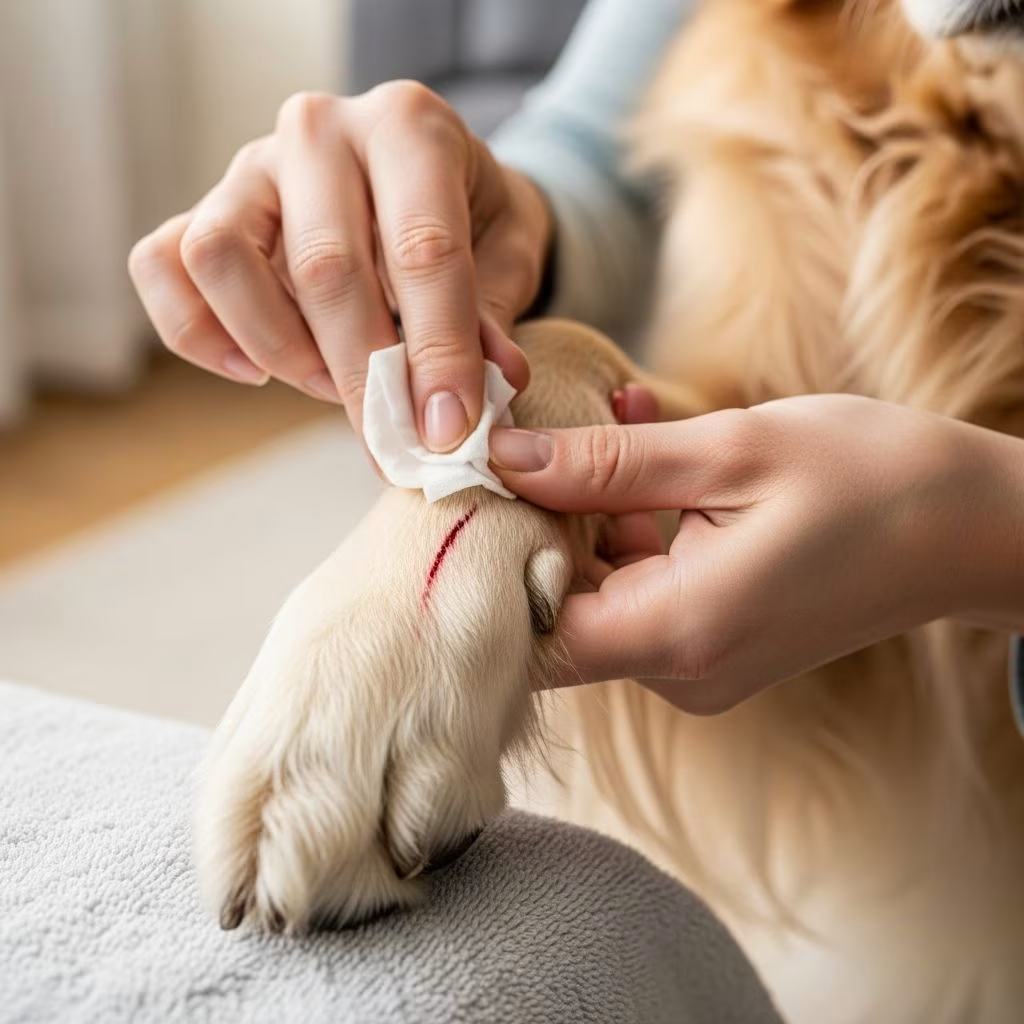
Properly managing a dog’s scratch involves immediate action to stop bleeding, thorough cleaning, disinfection, and protective bandaging. This prevents infections and supports natural healing processes.
Understanding Dog Scratches and Risks
Dog scratches often occur from rough play, encounters with thorns, or fights with other animals. These injuries expose sensitive tissue to bacteria, dirt, and debris, raising infection risks if not addressed promptly. Superficial scratches may heal in days, but deeper ones require careful intervention to avoid abscesses or systemic issues.
Key risks include bacterial contamination from the mouth (if self-inflicted), environmental pathogens, and delayed healing from licking. Early intervention with clean techniques significantly improves outcomes.
Essential Supplies for Home Treatment
Gather these items before starting to ensure a sterile process:
- Disposable latex gloves for protection.
- Electric hair clippers to trim fur around the area.
- Clean towels or cloths soaked in warm water.
- Sterile saline solution or homemade version (1 tsp salt in 1 liter boiled, cooled water).
- Diluted chlorhexidine (2%) or povidone-iodine (tea-colored dilution).
- Non-stick gauze pads.
- Antibiotic ointment safe for pets.
- Self-adherent bandage wrap.
- Syringe or spray bottle for flushing.
Avoid hydrogen peroxide, alcohol, or strong soaps, as they damage healthy cells and slow recovery.
Step-by-Step Cleaning Process
Follow these sequenced steps methodically for best results.
1. Control Bleeding and Prepare the Area
Apply gentle pressure with a clean cloth to staunch bleeding. Trim fur using clippers, avoiding skin contact to prevent cuts. This exposes the wound fully for cleaning.
2. Initial Rinse
Flush with warm saline or water to remove clots and debris. Use a syringe for controlled flow, directing from center outward.
3. Disinfect Safely
Apply diluted chlorhexidine or povidone-iodine via spray or soaked gauze. Wipe gently; let sit briefly before rinsing if needed. These kill bacteria without toxicity when properly diluted.
| Solution | Use Case | Dilution Guide | Benefits |
|---|---|---|---|
| Saline | General rinse | 1 tsp salt/1L water | Non-toxic, flushes debris |
| Chlorhexidine | Antimicrobial clean | 2% solution | Broad-spectrum, low irritation |
| Povidone-Iodine | Infected wounds | Tea color | Effective vs bacteria/fungi |
4. Dry and Apply Ointment
Pat dry softly—no rubbing. Spread thin antibiotic ointment to keep moist and fight bacteria. Medical-grade honey options add natural antibacterial effects.
Bandaging Techniques for Protection
Bandages shield from licking, dirt, and further trauma while allowing air circulation.
- Layer non-stick gauze over the wound.
- Wrap self-adherent material snugly—test by fitting two fingers underneath.
- Secure without tightness to maintain blood flow.
Change daily or if soiled, re-cleaning each time. For legs, use figure-8 wraps; for torso, lighter coverage.
Natural and Alternative Remedies
Complement conventional methods with gentle options:
- Vinegar Rinse: Dilute white or apple cider vinegar 1:1 with water; apply then rinse after 30 minutes. Antimicrobial and soothing.
- Hypochlorous Acid: Gentle, generated spray kills bacteria without irritation—ideal replacement for harsher chemicals.
Always test small areas first and consult vets for allergies.
Monitoring Healing and Warning Signs
Inspect twice daily: expect redness fading in 48 hours, no pus, and closing edges.
Seek Vet Care If:
- Bleeding persists >10 minutes.
- Swelling, heat, or foul odor develops.
- Dog shows lethargy, fever, or appetite loss.
- Wound >1 inch or involves joints.
Vets may prescribe NSAIDs for pain or antibiotics like cephalexin for infections.
Preventing Future Scratches
Supervise play, trim nails regularly, and use protective boots on hikes. Train recall commands to avoid wildlife scuffles.
Frequently Asked Questions
Can I use hydrogen peroxide on dog scratches?
No—it kills healthy cells and delays healing. Opt for saline or chlorhexidine.
How often should I change the bandage?
Daily or sooner if wet/dirty to prevent bacterial growth.
Is antibiotic ointment necessary?
Yes for minor wounds; it prevents infection and keeps moist.
What if my dog licks the bandage?
Use an e-collar; re-bandage immediately if removed.
When is professional help required?
For deep punctures, heavy bleeding, or non-healing after 3 days.
References
- Steps To Disinfect Dog Wounds — EcoloxTech. 2023. https://ecoloxtech.com/blogs/news/steps-to-disinfect-dog-wounds
- Effective Ways to Prevent Infections in Dog Wounds — Sustainable Vet. 2024. https://www.sustainablevet.org/blog/effective-ways-to-prevent-infections-in-dog-wounds
- Natural Antiseptics for Dog Wounds — Whole Dog Journal. 2022-07. https://www.whole-dog-journal.com/health/natural-antiseptics-for-dog-wounds/
- Dog Wound Care: Open Wound Treatment & Healing — UrgentVet. 2024. https://urgentvet.com/dog-wound-care-open-wound-treatment-healing/
- Dog Wound Care: How to Clean & Treat Dog Wounds at Home — PetMD. 2024. https://www.petmd.com/dog/general-health/dog-wound-care-how-to-clean-treat-dog-wounds-at-home
- Care of Open Wounds in Dogs — VCA Animal Hospitals. 2024. https://vcahospitals.com/know-your-pet/care-of-open-wounds-in-dogs
- Bites and Scratches — UConn Health Center. 2024. https://ovpr.uchc.edu/services/rics/animal/iacuc/ohshome/risk-assessment/bites-and-scratches/
- Dog Wound Care: Everything You Need to Know — AKC. 2024. https://www.akc.org/expert-advice/health/dog-wound-care/



