

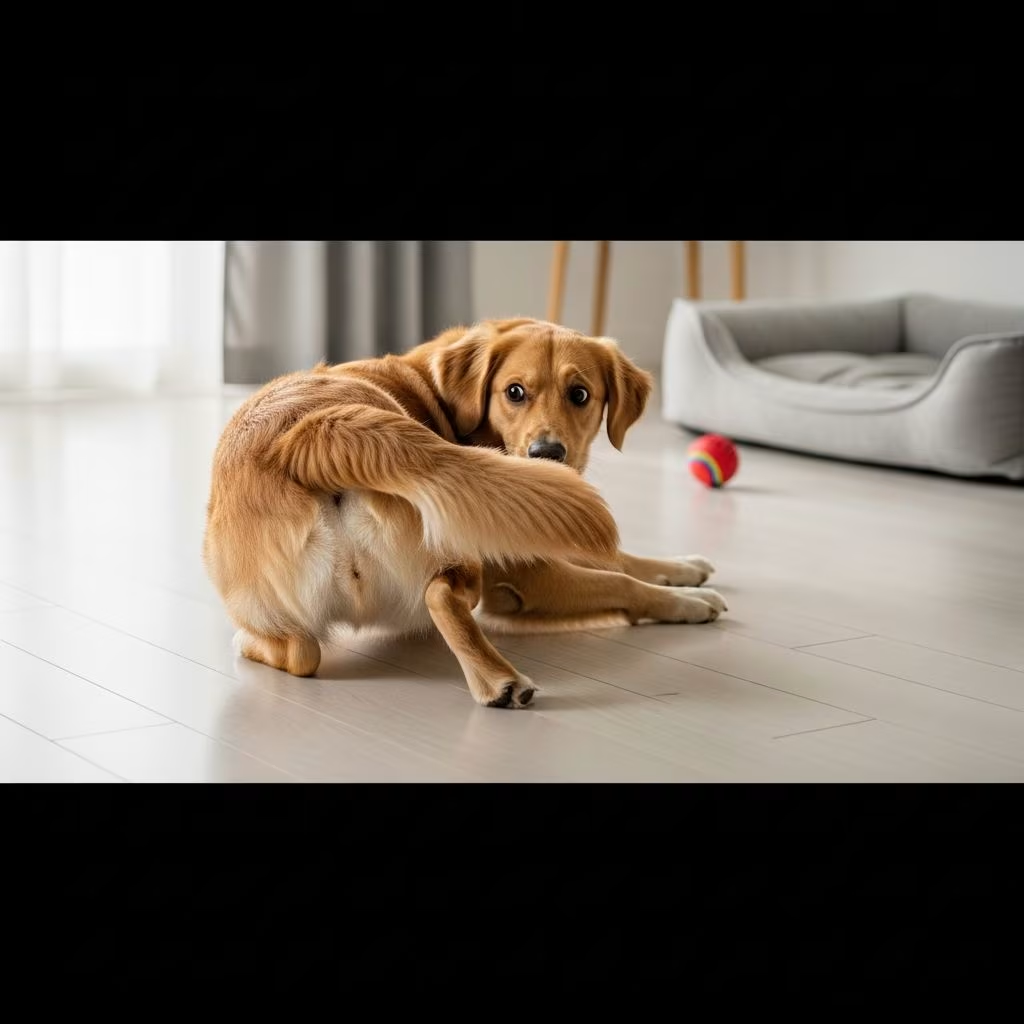
Dog scooting, where your pet drags their rear end across the floor or ground, is a common but uncomfortable behavior. It often indicates irritation around the anus or rectum, prompting dogs to seek relief through friction. While occasional scooting might stem from a minor itch, persistent cases usually point to underlying health issues requiring attention. Understanding the root causes helps pet owners respond effectively, preventing complications like infections or chronic discomfort.
What is Dog Scooting?
Dog scooting involves a dog sitting upright and dragging their hindquarters across carpets, grass, or furniture. This instinctive action aims to alleviate pressure, itching, or pain in the anal area. Small breeds and those with soft stools are particularly prone, as firm bowel movements naturally express anal glands. If scooting becomes frequent, it disrupts normal behavior and signals a need for intervention.
Why Do Dogs Scoot Their Butts?
Scooting serves as a distress signal. Dogs lack hands to scratch, so they use the ground to soothe irritation. Common triggers include fluid buildup in anal sacs, parasites causing anal itching, or skin inflammations. Ignoring it risks escalation to abscesses or systemic issues.
7 Common Causes of Dog Scooting
Several factors contribute to this behavior. Here’s a breakdown of the most frequent culprits:
- Impacted Anal Glands: The leading cause, these sacs on either side of the anus fill with fluid meant to express during defecation. Blockage creates pressure and discomfort, leading to scooting.
- Anal Gland Infections or Abscesses: Untreated impactions can infect, causing swelling, redness, foul odor, or bloody discharge. Prompt treatment prevents rupture.
- Parasites (Tapeworms): Segments resembling rice grains near the anus or in stool irritate the area, prompting scooting. Fecal exams confirm diagnosis.
- Allergies and Skin Irritations: Food or environmental allergens inflame perianal skin, causing itchiness. Symptoms include redness and excessive licking.
- Constipation or Diarrhea: Hard stools fail to express glands; loose ones cause fecal contamination and bacterial irritation.
- Skin Infections (Bacterial/Yeast): Fungal or bacterial overgrowth around the anus leads to intense itching, resolvable with antibiotics or antifungals.
- Foreign Objects or Fecal Buildup: Debris like grass or matted fur post-diarrhea traps bacteria, especially in long-haired dogs.
Rare Causes: Adrenal Disorders
Beyond common issues, adrenal problems like Cushing’s syndrome (excess cortisol causing skin thinning and irritation) or Addison’s disease (hormone deficiency leading to lethargy and secondary scooting) may contribute. These require blood tests for diagnosis.
Signs Your Dog Has Anal Gland Problems
Scooting rarely occurs alone. Watch for accompanying symptoms:
- Excessive licking or biting at the rear end
- Fishy or foul odor from the anal area
- Swelling, redness, or visible lumps under the tail
- Pain when sitting or defecating
- Behavioral changes like irritability or restlessness
- Bloody or pus-like discharge
- Rice-like segments in fur or stool (parasites)
These signs warrant immediate vet evaluation to rule out infections or blockages.
What to Do if Your Dog is Scooting
Don’t ignore repeated scooting. Follow these steps:
Step 1: Observe and Monitor
Note frequency, duration, and other symptoms. Isolated incidents may resolve, but persistence demands action.
Step 2: Home Checks and Remedies
- Gently inspect the anal area for swelling, discharge, or debris.
- Apply a warm compress (clean cloth in warm water) for 5-10 minutes to ease mild inflammation.
- Trim long fur around the anus to prevent matting.
- Increase fiber in diet (pumpkin puree, 1-2 tsp per meal) to firm stools and aid gland expression.
- Wipe the area with pet-safe wipes or mild soap and water.
Avoid DIY gland expression without training, as it risks injury.
Step 3: When to See a Vet
Seek professional help if scooting persists >24-48 hours, or with pain, odor, discharge, or stool changes. Vets perform physical exams, fecal tests, or gland expression.
Treatment Options for Dog Scooting
Treatment targets the cause:
| Cause | Treatment |
|---|---|
| Anal Gland Impaction | Manual expression, stool softeners, high-fiber diet |
| Infection/Abscess | Antibiotics, anti-inflammatories, flushing |
| Parasites | Dewormers (e.g., praziquantel), follow-up fecal test |
| Allergies | Hypoallergenic diet trial, antihistamines, medicated shampoos |
| Skin Infections | Topical/oral antibiotics, antifungals |
| Constipation | Laxatives, hydration boost, diet change |
For chronic cases, regular gland expression or surgery (rare) may be needed. Adrenal issues involve hormone therapy.
Prevention Tips to Stop Dog Scooting
- Dietary Fiber: Add pumpkin, sweet potatoes, or vet-recommended supplements for bulky stools.
- Exercise: Daily walks promote firm bowel movements.
- Hygiene: Regular baths, butt wipes for long-haired breeds.
- Parasite Control: Monthly preventives, annual fecal checks.
- Weight Management: Obesity hinders gland expression.
- Routine Vet Visits: Early detection via wellness exams.
FAQs
Is dog scooting an emergency?
Not always, but if accompanied by pain, blood, or swelling, yes—see a vet immediately to prevent abscesses.
Can I express my dog’s anal glands at home?
Only if trained; otherwise, risk injury. Leave to professionals.
How much does anal gland expression cost?
Varies by clinic; typically £20-50 per session. Discuss packages for chronic cases.
Why do small dogs scoot more?
Softer stools from diets fail to express glands naturally.
Can diet alone fix scooting?
Fiber helps prevention but not infections or parasites—vet care essential.
Conclusion
Dog scooting is treatable with prompt action. By identifying causes like anal glands or parasites and applying targeted remedies, you ensure your dog’s comfort and health. Regular care prevents recurrence.
References
- Why Is My Dog Scooting? Common Causes, Anal Gland Issues — Scenthound. 2023. https://www.scenthound.com/dogblog/why-is-my-dog-scooting-on-the-ground-causes-and-solutions
- Home Remedies for Dog Scooting — Vetnique Labs. 2024. https://vetnique.com/blogs/news/home-remedies-for-dog-scooting
- Dog Scooting (Dragging) Butt on Floor: 7+ Reasons & Remedies — Sploot Vets. 2024. https://www.splootvets.com/post/dog-scooting-butt
- Why is My Dog Scooting Their Butt — VO Vets. 2023. https://vovets.com/blog/why-is-my-dog-scooting-their-butt/
- Why Does My Dog Scoot? — Compassion Animal Hospital. 2024. https://compassionanimalhospital.com/why-does-my-dog-scoot/
- Scooting in dogs — PDSA (People’s Dispensary for Sick Animals). 2025-01-10. https://www.pdsa.org.uk/pet-help-and-advice/pet-health-hub/symptoms/scooting-in-dogs



