

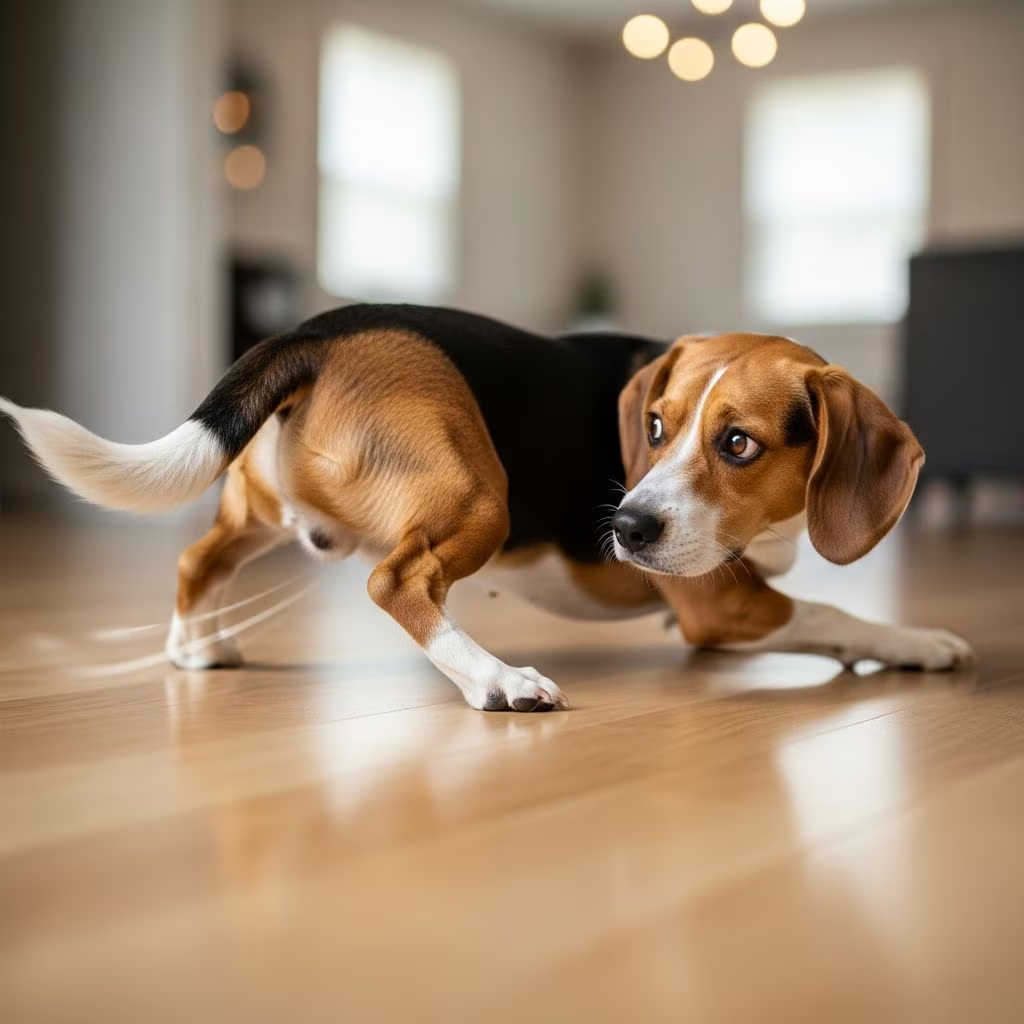
Dog scooting, where a dog drags its rear end across the floor or grass, signals underlying discomfort, most often around the anal area. This behavior affects dogs of all breeds and ages, prompting owners to seek swift resolutions. Understanding the root causes empowers pet parents to address issues effectively, preventing escalation into serious conditions.
Primary Culprit: Anal Gland Problems
Anal glands, small sacs located at 4 and 8 o’clock positions around a dog’s anus, produce a pungent fluid for scent marking. Normally, these glands empty during bowel movements through pressure from firm stools. When they fail to express naturally, buildup leads to irritation, fullness, or impaction, triggering scooting as dogs attempt self-relief.
Impacted glands create intense pressure, making sitting uncomfortable. Owners may notice a fishy odor, excessive rear licking, or visible swelling. If bacteria enter blocked glands, infections develop, causing pain, redness, and pus discharge. Untreated, infections progress to abscesses—painful pus-filled swellings that may rupture, leading to bleeding and severe discomfort.
- Fishy smell emanating from the hindquarters
- Swollen, red tissue near the anus
- Frequent licking or biting at the base of the tail
- Difficulty defecating or signs of pain during elimination
- Bloody or discolored discharge
Other Common Triggers for Rear-End Dragging
While anal glands top the list, scooting stems from diverse sources. Parasites, allergies, and digestive troubles rank high among secondary causes.
Parasitic Infestations
Tapeworms, acquired via flea ingestion, mature in the intestines and release segments around the anus, causing itchiness. These white, rice-like pieces appear in feces, bedding, or fur, prompting vigorous scooting. Other worms irritate the rectal area similarly. Routine deworming and flea control prevent recurrence.
Allergic Reactions and Skin Irritations
Environmental allergens (pollen, dust), food sensitivities, or flea bites inflame the perianal skin, leading to itching. Dogs scoot to scratch the unreachable spot. Soft stools from allergies exacerbate anal gland issues by failing to provide expression pressure. Veterinary allergy testing guides targeted diets or meds.
Digestive Disturbances
Diarrhea produces loose stools lacking firmness to express glands, while constipation strains the area painfully. Both disrupt normal function, fostering impaction. Fiber-rich diets and hydration adjustments often resolve mild cases.
| Cause | Key Symptoms | Quick Checks |
|---|---|---|
| Anal Glands | Fishy odor, swelling, licking | Inspect rear visually |
| Parasites | Rice-like segments, itching | Check feces/bedding |
| Allergies | Red skin, paw chewing | Recent diet/environment changes |
| Digestive | Loose stools, straining | Monitor bowel habits |
Rare but Serious Contributors
Beyond everyday issues, hormonal imbalances like Cushing’s syndrome (excess cortisol causing skin thinning and irritation) or Addison’s disease (hormone deficiencies leading to weakness and odd behaviors) can manifest as scooting. Tumors, injuries, or foreign objects (grass seeds, feces residue) also provoke dragging. Professional diagnosis rules out these.
When to Rush to the Vet
Occasional scooting after play might self-resolve, but persistence demands attention. Seek immediate care if accompanied by lethargy, appetite loss, blood, or abscess signs. Early intervention averts complications like ruptured sacs requiring surgery.
- Scooting multiple times daily
- Visible wounds or drainage
- Behavioral shifts like hiding or aggression
- Weight loss or vomiting
Diagnosis: What Vets Do
Veterinarians start with a physical exam, focusing on the anal region. Digital rectal palpation assesses gland status. Fecal tests detect parasites; cytology or cultures identify infections. Bloodwork screens for systemic issues like adrenal disorders. Imaging rarely needed unless tumors suspected.
Treatment Strategies by Cause
Tailored plans address specifics:
For Anal Gland Issues
Vets manually express glands externally or internally, avoiding home attempts to prevent trauma. Antibiotics treat infections; anti-inflammatories ease pain. Stool softeners or high-fiber diets promote natural emptying. Chronic cases may warrant flushing or sac removal.
Parasite Control
Dewormers eliminate tapeworms; follow-up fecals confirm clearance. Monthly preventives safeguard against reinfestation.
Allergy Management
Hypoallergenic foods, medicated baths, or immunotherapy desensitize. Antihistamines provide interim itch relief.
Dietary Fixes
Increase fiber via pumpkin or vet diets for firmer stools. Probiotics support gut health.
Prevention: Keep Scooting at Bay
Proactive steps minimize risks:
- Feed high-quality, fiber-balanced diets
- Maintain flea prevention year-round
- Schedule regular vet checkups for expression if prone
- Monitor weight—obesity hinders natural expression
- Ensure ample exercise for healthy bowels
Breed predispositions include small dogs like Chihuahuas or overweight pets. Neutering may influence gland function, so discuss with your vet.
Home Remedies: Safe First Aid
While awaiting vet care:
- Wipe rear gently with pet-safe wipes
- Apply warm compresses for swelling (10 mins, 2-3x daily)
- Add canned pumpkin (1-2 tsp/10lbs body weight) to meals
- Avoid DIY gland squeezing
These soothe but don’t cure underlying problems.
FAQs on Dog Scooting
Is scooting always anal glands?
No, though common (80% cases), parasites, allergies, or digestion cause 20%.
Can I express glands myself?
Not recommended—risks injury. Leave to pros.
How often should glands be checked?
Every 6-12 months for at-risk dogs, or as symptoms arise.
Does diet affect scooting?
Yes, low-fiber diets soften stools, blocking expression.
Will scooting stop after treatment?
Usually within days, but chronic issues need ongoing management.
Long-Term Outlook
Most dogs recover fully with prompt care. Recurrence drops with prevention. Track patterns in a journal for vet discussions. Healthy lifestyles ensure scooting remains rare, letting pups focus on play, not pain.
References
- Dog Scooting: Causes, Anal Gland Issues & Treatment — Vetic. 2023. https://vetic.in/blog/pet-health/dog-scooting-why-dogs-drag-their-butts-common-causes-and-symptoms-to-watch/
- Why Is My Dog Scooting on the Ground? Causes and Solutions — Scenthound. 2024. https://www.scenthound.com/dogblog/why-is-my-dog-scooting-on-the-ground-causes-and-solutions
- Why Is My Dog Scooting? Causes & Tips for Relief — Vetnique Labs. 2023. https://vetnique.com/blogs/vets-corner/why-is-my-dog-scooting
- Why Is My Dog Scooting? — American Kennel Club (AKC). 2023-01-15. https://www.akc.org/expert-advice/health/why-is-my-dog-scooting/
- Dog Scooting (Dragging) Butt on Floor: 7+ Reasons & Remedies — Sploot Vets. 2024. https://www.splootvets.com/post/dog-scooting-butt



