

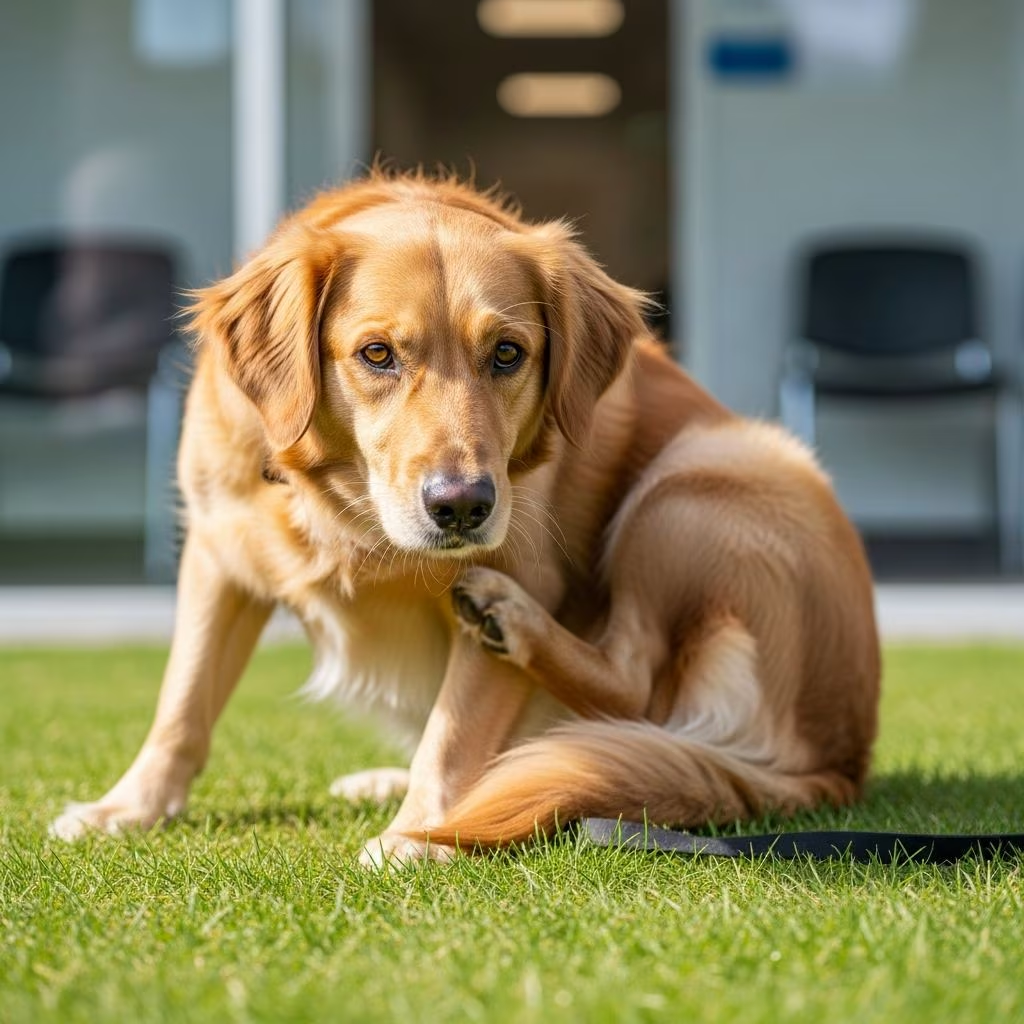
Dog scooting, where a pet drags its hindquarters across the floor or ground, often signals underlying discomfort in the anal or rectal area. This behavior typically arises from issues like impacted anal glands, parasites, or skin irritations, prompting owners to seek prompt solutions.
Understanding the Anatomy Behind the Behavior
Dogs possess small sacs, known as anal glands or sacs, positioned on either side of the anus at roughly the four and eight o’clock positions. These glands produce a pungent fluid that dogs use for scent marking during defecation. Normally, firm stools express this fluid naturally. However, when stools are soft or the glands malfunction, fluid builds up, causing pressure, pain, and the urge to scoot for relief.
Smaller breeds like Chihuahuas, Dachshunds, and Bulldogs are particularly prone due to their anatomy, which hinders natural expression. Larger breeds can also suffer, especially if overweight or sedentary.
Primary Culprits: Anal Gland Disorders
Anal gland problems top the list of scooting causes. Impacted glands occur when fluid thickens and clogs the ducts, leading to swelling and discomfort. Untreated impactions can progress to infections or abscesses, marked by redness, heat, and pus discharge.
- Impaction: Fluid buildup without infection; common in dogs with loose stools.
- Infection: Bacterial overgrowth causes inflammation and foul odors.
- Abscess: Severe infections form pus-filled pockets that may rupture.
Owners often notice a fishy or metallic smell, excessive licking, or visible swelling. Scooting relieves temporary pressure but fails to resolve the root issue.
Parasitic Invaders: Worms and Their Role
Intestinal parasites, especially tapeworms, irritate the anal region. Dogs ingest tapeworm eggs via flea bites, as fleas serve as intermediate hosts. Segments resembling rice grains appear near the anus or in feces, detaching to release eggs.
Other worms like roundworms or hookworms contribute indirectly through diarrhea, exacerbating fecal soiling and irritation. Visible signs include scooting paired with weight loss or pot-bellied appearance in severe cases.
Allergies and Skin Conditions
Environmental, food, or flea allergies manifest as itchy skin around the hindquarters. Contact dermatitis from grass or chemicals also provokes scooting. Bacterial or yeast overgrowth in moist areas worsens the itch-scratch cycle.
| Allergy Type | Symptoms | Common Triggers |
|---|---|---|
| Food | Chronic itching, ear infections | Proteins like beef, chicken, grains |
| Flea | Hind-end focus, hair loss | Flea saliva |
| Environmental | Seasonal flares, paw licking | Pollen, dust mites |
Skin infections present with redness, odor, and matted fur, often secondary to allergies.
Fecal Matters: Diarrhea and Contamination
Episodes of diarrhea leave residue matted in fur, especially in long-haired breeds, fostering bacterial growth and irritation. Constipation forces straining, indirectly stressing anal glands.
Cleaning involves gentle trimming and warm water baths, but persistent diarrhea warrants dietary review or deworming.
Rarer but Serious Triggers
Rectal prolapse, tumors, or wounds cause scooting alongside bleeding or prolapse tissue. These demand immediate veterinary intervention, potentially involving surgery.
Spotting the Signs Early
Beyond scooting, watch for:
- Obsessive licking or biting at the rear
- Fishy or bloody discharge
- Difficulty defecating or ribbon-like stools
- Swelling or hair loss near anus
- Lethargy or appetite loss
Early detection prevents complications like chronic infections.
Home Remedies: Safe First Steps
For mild cases, try these vet-endorsed approaches:
- Dietary Fiber Boost: Add pumpkin puree (1-4 tbsp daily, breed-sized) to firm stools and aid gland expression.
- Warm Compresses: Apply 10 minutes twice daily to soothe inflammation.
- Hygiene: Trim sanitary area fur; use pet-safe wipes.
- Probiotics: Support gut health to prevent diarrhea.
Avoid routine home gland expression, as it risks injury or overuse.
Veterinary Interventions
Professionals diagnose via physical exam, possibly fecal analysis or imaging. Treatments include:
- Manual expression under sedation for impactions
- Antibiotics or anti-inflammatories for infections
- Flushing or lancing abscesses
- Surgery for recurrent issues or tumors
Follow-up ensures resolution.
Prevention Strategies for Long-Term Relief
Maintain optimal weight, provide high-fiber diets (e.g., 2-5% fiber), ensure regular exercise for firm stools, and schedule flea prevention and deworming. Routine vet checks catch issues early.
| Prevention Tip | Benefit | Frequency |
|---|---|---|
| High-fiber diet | Firms stools, expresses glands | Daily |
| Flea control | Prevents tapeworms | Monthly |
| Exercise | Promotes digestion | Daily |
| Vet exams | Early detection | Bi-annual |
FAQs
Is scooting always anal gland-related?
No, while common, parasites, allergies, or infections can also cause it. A vet exam differentiates.
Can I express my dog’s glands at home?
Not recommended without training; improper technique causes harm. Leave to professionals.
How long before seeing a vet for scooting?
If persistent beyond 2-3 days, or with swelling/odor, seek care immediately.
Does breed affect scooting likelihood?
Yes, small breeds suffer more due to gland anatomy.
Can diet fix chronic scooting?
Often yes, via fiber improvements, but vet confirmation rules out other issues.
This comprehensive guide empowers owners to address scooting effectively, ensuring pets remain comfortable and healthy. Consult your veterinarian for tailored advice.
References
- Why Is My Dog Dragging Its Bottom? — WebMD. 2023-10-15. https://www.webmd.com/pets/dogs/dog-dragging-bottom
- Why Does My Dog Scoot? — Compassion Animal Hospital. 2024-05-20. https://compassionanimalhospital.com/why-does-my-dog-scoot/
- Why Dogs Scoot Their Butt Across the Floor — Harlingen Veterinary Clinic. 2023-11-08. https://harlingenveterinaryclinic.com/blog/why-dogs-scoot-their-butt-across-the-floor/
- Why Do Dogs Scoot Their Butts? — Best Friends Veterinary Hospital. 2024-02-12. https://bestfriendsvet.org/blog/why-dogs-scoot-their-butts/
- Home Remedies for Dog Scooting — Spot & Tango. 2024-07-30. https://www.spotandtango.com/blog/home-remedies-for-dog-scooting



