

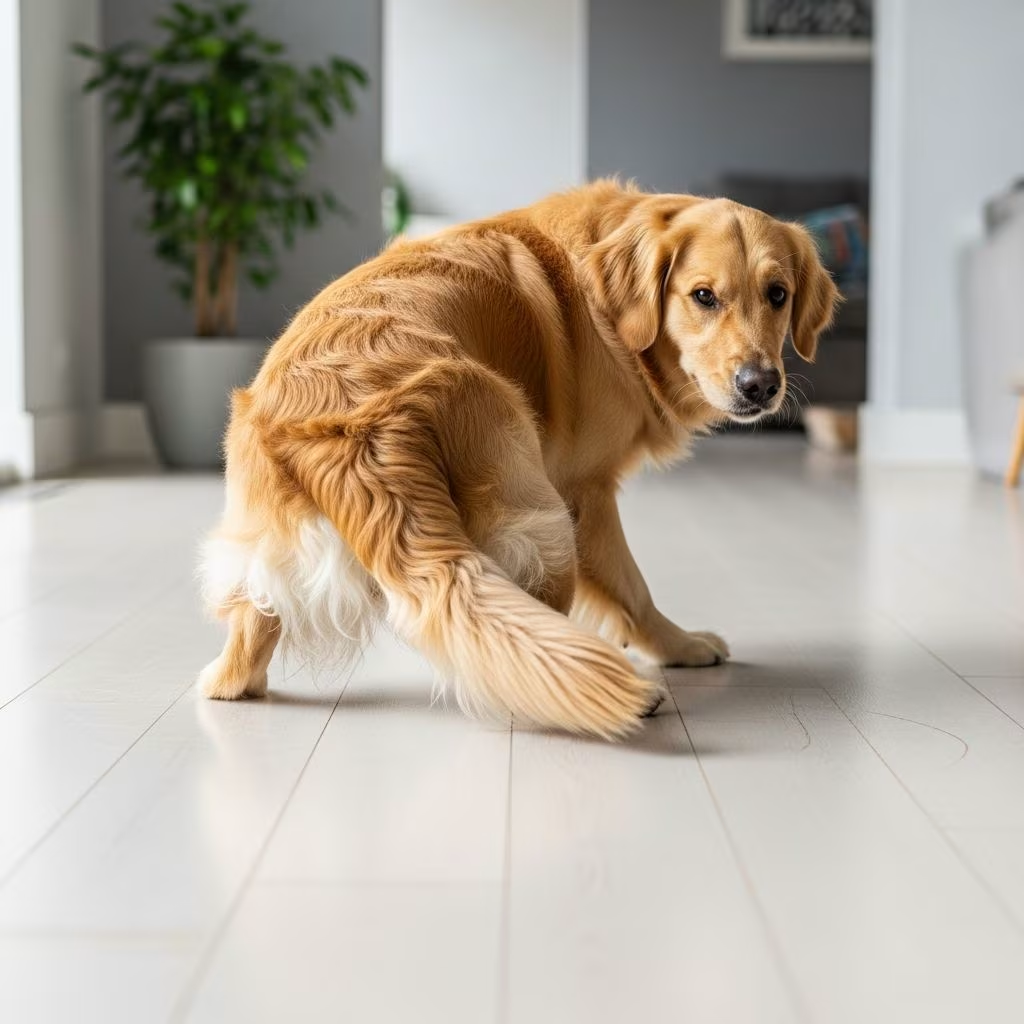
Dog scooting, where a dog drags its rear across the floor or ground, signals discomfort in the anal area. This behavior often stems from issues like impacted anal glands, parasites, or skin irritations that require prompt attention to prevent worsening.
Understanding the Behavior
Scooting occurs when dogs feel itchiness, pressure, or pain near their anus, prompting them to rub against surfaces for relief. While occasional scooting might resolve on its own, persistent episodes indicate underlying health concerns that pet owners should address systematically.
Observing the frequency, accompanying symptoms like licking or swelling, and your dog’s overall demeanor helps pinpoint the cause. Early intervention maintains your pet’s quality of life and avoids complications such as infections.
Primary Culprits Behind Scooting
The most frequent trigger is anal gland dysfunction, but other factors contribute significantly. Below, we break down the key causes with details on how they manifest.
Anal Gland Problems
Dogs possess two small sacs flanking the anus that secrete a pungent fluid during defecation, aiding in territory marking. When these glands fail to empty naturally—due to soft stools, small breed size, or inactivity—they become impacted, leading to fullness, inflammation, or infection.
- Impaction: Buildup causes pressure, prompting scooting to self-express.
- Infection: Bacteria enter blocked glands, causing swelling and pus.
- Abscess: Untreated infections form painful pus pockets that may rupture.
Breeds like Chihuahuas, Dachshunds, and Bulldogs are prone due to anatomy. Signs include fishy odor, tail chasing, or blood-tinged discharge.
Parasitic Infestations
Intestinal worms, especially tapeworms, irritate the anal region as segments exit the body. Dogs ingest fleas harboring tapeworm larvae, which mature in the gut.
Visible rice-like segments in feces or bedding confirm tapeworms. Other parasites like roundworms cause general digestive upset exacerbating scooting.
Allergic Reactions and Skin Issues
Environmental allergens (pollen, dust), food sensitivities, or flea bites provoke intense itching around the rear. This leads to scooting as dogs attempt to scratch the inflamed area.
Food trials or allergy testing reveal triggers. Secondary infections from constant rubbing compound the problem.
Digestive and Other Disorders
Constipation strains during defecation, irritating glands. Diarrhea leaves residue, fostering bacterial growth. Rarely, tumors, polyps, or arthritis contribute by altering posture or causing pain.
| Cause | Symptoms | Common in Breeds |
|---|---|---|
| Anal Glands | Fishy smell, swelling, licking | Small breeds |
| Parasites | Rice segments, weight loss | All breeds |
| Allergies | Red skin, paw chewing | Retrievers, Bulldogs |
| Digestion | Straining, loose stool | Senior dogs |
Diagnostic Steps for Pet Owners
Start with a home check: Gently lift the tail to inspect for redness, discharge, or foreign matter. Note stool consistency and diet history.
Veterinarians perform:
- Physical exam and rectal palpation.
- Fecal analysis for parasites.
- Skin scrapes or cytology for infections/allergies.
- Imaging for masses if chronic.
Seek care if scooting persists beyond 24-48 hours, accompanies lethargy, or shows blood.
Treatment Strategies
Professional Interventions for Glands
Vets manually express glands externally or internally, avoiding home attempts to prevent trauma. Antibiotics treat infections; flushing clears abscesses. Surgery removes chronic problem glands.
Parasite Elimination
Dewormers like praziquantel target tapeworms. Monthly preventives (flea/tick/worm combos) are essential. Clean environments break cycles.
Managing Allergies
Hypoallergenic diets, antihistamines, or immunotherapy desensitize. Medicated wipes soothe acutely.
Supporting Digestion
Fiber supplements firm stools, promoting natural expression. Probiotics balance gut flora.
Home Care and Prevention Tips
While awaiting vet visits, provide relief safely:
- Warm Compresses: 5-10 minutes daily softens impactions.
- Hygiene: Wipe rear with pet-safe solutions post-bowel movements.
- Diet Tweaks: Add pumpkin or fiber for bulk (vet-approved).
- Exercise: Promotes firm stools and gland emptying.
Prevent recurrence with:
- Regular vet checkups for expression in prone dogs.
- Parasite preventives year-round.
- Balanced, high-fiber diets.
- Flea control to block tapeworm vectors.
When to Worry: Red Flags
Benign scooting is infrequent. Urgency arises with:
- Daily persistence.
- Fever, appetite loss.
- Prolapse or bleeding.
- Swollen, hot glands.
These signal abscesses or deeper issues needing immediate care.
FAQs
Can I express my dog’s anal glands at home?
No, improper technique risks injury. Leave to professionals.
Does diet affect scooting?
Yes, soft stools hinder expression; fiber helps.
How long before seeing a vet?
If over 1-2 days or with other symptoms.
Is scooting common in puppies?
Yes, often parasites or glands, but check promptly.
Can allergies cause chronic scooting?
Absolutely; testing identifies and resolves triggers.
Long-Term Management for Recurrent Cases
Monitor with wellness exams every 6 months. Supplements like omega-3s reduce inflammation. Weight control eases gland pressure in obese dogs.
Behavioral scooting is rare post-medical resolution. Track via journal: date, frequency, stool photos aid vets.
References
- Dog Scooting: Causes, Anal Gland Issues & Treatment — Vetic. 2023. https://vetic.in/blog/pet-health/dog-scooting-why-dogs-drag-their-butts-common-causes-and-symptoms-to-watch/
- Why Is My Dog Scooting? Causes & Tips for Relief — Vetnique Labs. 2024. https://vetnique.com/blogs/vets-corner/why-is-my-dog-scooting
- Dog Scooting: Causes and Remedies — DoggieLawn. 2023. https://doggielawn.com/blogs/blog/dog-scooting-causes-and-remedies
- Why Is My Dog Scooting? — Midland Animal Hospital. 2024. https://midlandah.com/blog/why-is-my-dog-scooting-midland-animal-hospital/
- Why Is My Dog Scooting? — American Kennel Club. 2023-01-15. https://www.akc.org/expert-advice/health/why-is-my-dog-scooting/
- Why Dogs Scoot Their Butt Across the Floor — Harlingen Veterinary Clinic. 2024. https://harlingenveterinaryclinic.com/blog/why-dogs-scoot-their-butt-across-the-floor/
- Scooting in Dogs — PDSA. 2024. https://www.pdsa.org.uk/pet-help-and-advice/pet-health-hub/symptoms/scooting-in-dogs



