

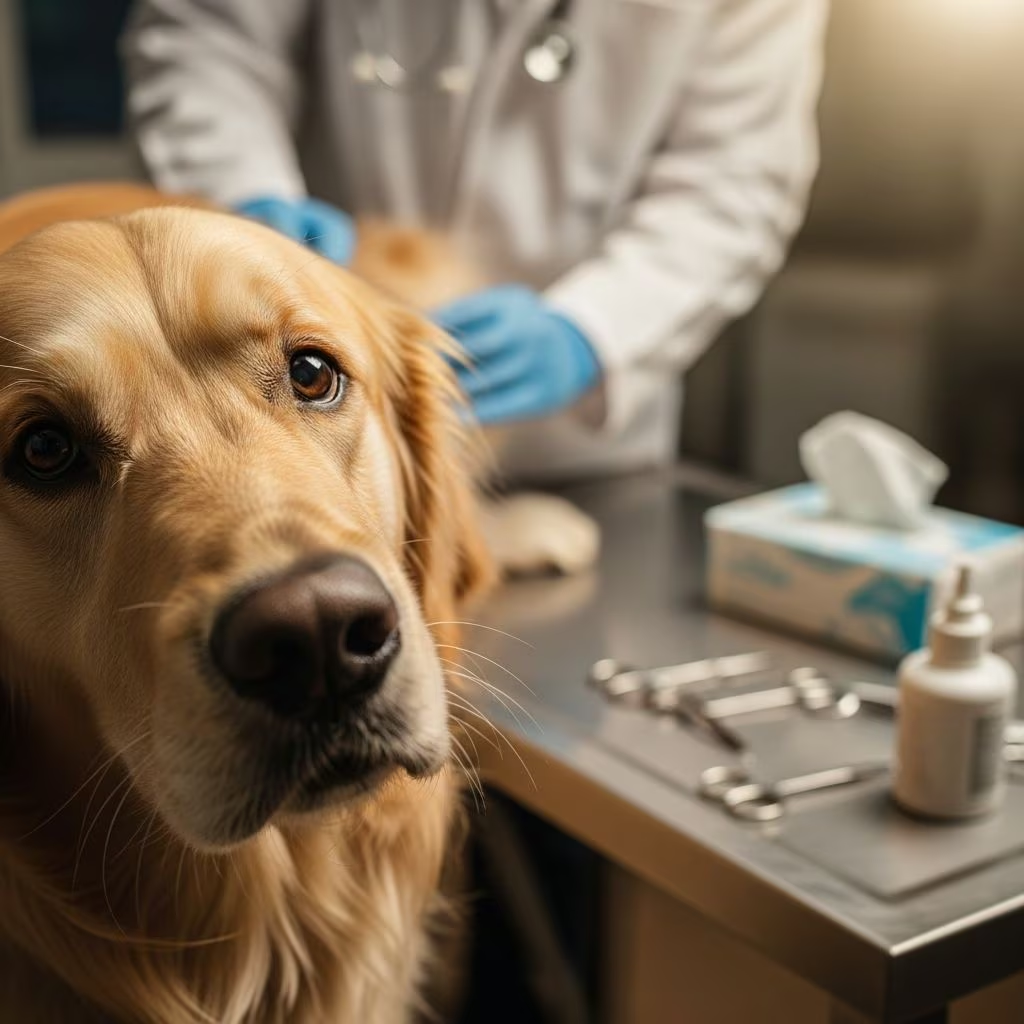
Dog scooting, where your furry friend drags its rear end across the floor or grass, is a common but often uncomfortable behavior. While it might look comical, it typically indicates irritation or discomfort in the anal area. Understanding the root causes—ranging from impacted anal glands to parasites and allergies—is crucial for providing relief and preventing recurrence. This comprehensive guide covers why dogs scoot, diagnostic steps, treatments, home remedies, and prevention strategies, drawing from veterinary insights to help you support your pet’s health.
What Is Dog Scooting?
Dog scooting refers to the instinctive action dogs take when something irritates their hindquarters, prompting them to rub their anus against surfaces like carpets, grass, or furniture. This behavior serves as a self-soothing mechanism to alleviate itching, pressure, or pain. Though occasional scooting may not be alarming, persistent or frequent episodes warrant attention, as they can signal underlying health issues affecting up to 15% of dogs visiting the vet.
Scooting is more prevalent in certain breeds, such as small dogs or those with long fur, due to anatomical or grooming factors. Recognizing it early allows for timely intervention, preventing complications like infections or chronic discomfort.
Common Causes of Dog Scooting
Several factors can trigger scooting. Identifying the cause often requires observing accompanying symptoms like odor, discharge, licking, or changes in stool. Here are the primary culprits:
- Impacted or Full Anal Glands: The most frequent cause, anal glands are small sacs on either side of the anus that produce scented fluid for marking. They should empty naturally during defecation, but soft stools, obesity, or anatomical issues prevent this, leading to fullness, discomfort, and scooting.
- Anal Gland Infections or Abscesses: Blocked glands can become infected, forming painful abscesses that may burst, causing wounds, swelling, and foul odors. This requires urgent care with antibiotics and anti-inflammatories.
- Intestinal Parasites: Worms like tapeworms (often from fleas) or roundworms irritate the anal region, visible as segments in stool. Puppies are especially susceptible via mother’s milk.
- Allergies (Food or Environmental): Allergens trigger itchy skin around the anus, paw licking, hair loss, or digestive upset. Common food triggers include beef, dairy, and wheat; environmental ones like pollen exacerbate issues.
- Skin Irritations and Infections: Bacterial/yeast infections, matted fur, or debris cause localized itching. Long-haired breeds are prone to tangles harboring irritants.
- Digestive Issues (Diarrhea or Constipation): Loose stools fail to express glands properly; hard stools cause straining and rectal irritation.
- Anal Furunculosis: Painful ulcers around the anus, common in German Shepherds, linked to immune issues.
- Other Rare Causes: Tumors, injuries, or neurological conditions.
Anal Glands Explained: Why They Matter
Anal glands, or sacs, flank the anus and secrete a pungent fluid for territory marking and identification. Healthy expression occurs via firm stool pressure during bowel movements. Dysfunction arises from diet (soft stools), inactivity, allergies, or breed predispositions (e.g., smaller breeds with narrow ducts).
When full, dogs experience pressure akin to needing to “go” but can’t, leading to scooting. Chronic issues may necessitate regular manual expression by a vet, dietary fiber supplements, or surgery in severe cases.
Symptoms to Watch For
Beyond scooting, monitor these red flags indicating a vet visit:
- Frequent licking or biting at the rear
- Foul-smelling discharge or blood
- Swelling, redness, or wounds near the anus
- Changes in stool (diarrhea, constipation, worms)
- Lethargy, appetite loss, or pain when sitting
- Obsessive scooting or distress
If symptoms persist beyond 24 hours or worsen, seek professional help promptly.
When to See a Vet
Don’t ignore scooting—consult a vet if:
- It occurs repeatedly or obsessively
- Accompanied by odor, discharge, or swelling
- Worms visible in stool
- Signs of pain or discomfort
- No improvement after home remedies
Vets perform physical exams, fecal tests, cytology, or imaging to diagnose. Early intervention prevents abscesses or chronic problems.
Home Remedies for Mild Scooting
For non-urgent cases, try these vet-supported tips while monitoring progress:
- Warm Compress: Apply for 5-10 minutes, 2-3 times daily to soften debris or encourage gland expression (if no pain/wounds).
- Increase Fiber and Hydration: Add pumpkin or fiber supplements to firm stools and aid gland emptying. Switch to wet food temporarily for constipation.
- Grooming: Trim matted fur; clean gently with warm water.
- Deworming: Administer age-appropriate dewormer if parasites suspected.
- Exercise Boost: Daily walks/runs promote natural expression via firm stools.
- Sudocrem for Redness: Thin layer on irritated skin (no open wounds).
Limit to 24 hours; escalate to vet if no relief.
Veterinary Treatments
Treatment targets the cause:
| Cause | Treatment |
|---|---|
| Full/Impacted Glands | Manual expression, flushing under sedation if needed |
| Infection/Abscess | Antibiotics, anti-inflammatories; drainage |
| Parasites | Deworming medication |
| Allergies | Diet trials, hypoallergenic food, meds |
| Digestive Issues | Diet change, probiotics |
| Furunculosis/Tumors | Long-term meds, surgery |
Follow-up ensures resolution; recurring cases may need ongoing management.
Prevention Tips for Healthy Anal Glands
Proactive steps reduce scooting risks:
- High-Fiber Diet: Promotes firm stools for natural expression.
- Regular Exercise: 30-60 minutes daily.
- Weight Management: Obesity hinders gland function.
- Flea Control: Prevents tapeworms.
- Routine Vet Checkups: Early detection via fecal exams.
- Grooming: Keep rear fur short and clean.
- Hydration: Fresh water always available.
Breeds prone to issues (e.g., German Shepherds) benefit from scheduled gland checks.
FAQs
Is dog scooting always serious?
No, occasional scooting may self-resolve, but frequent episodes often indicate issues like anal glands or parasites needing attention.
Can I express my dog’s anal glands at home?
Not recommended for most owners—risk of injury. Leave to vets unless trained.
How long does scooting last after treatment?
Typically 24 hours post-expression; persistent scooting requires re-evaluation.
Does diet affect anal glands?
Yes, fiber-rich diets firm stools, aiding expression; allergies may soften them.
Are certain breeds more prone?
Small breeds, long-haired dogs, and German Shepherds (furunculosis) are higher risk.
References
- Dog Scooting | Causes & Treatments – YuMOVE — YuMOVE. 2023. https://yumove.co.uk/blogs/dog-expert-advice/dog-scooting
- Why Do Dogs Scoot: Causes, Symptoms, and Solutions | Purina IN — Purina. 2023. https://www.purina.in/care-and-advice/dog/health/why-dogs-scoot
- Home Remedies for Dog Scooting – Vetnique — Vetnique. 2023. https://vetnique.com/blogs/news/home-remedies-for-dog-scooting
- Dog Scooting (Dragging) Butt on Floor: 7+ Reasons & Remedies — Sploot Vets. 2023. https://www.splootvets.com/post/dog-scooting-butt
- Why Is My Dog Scooting? | Midland Animal Hospital — Midland Animal Hospital. 2023. https://midlandah.com/blog/why-is-my-dog-scooting-midland-animal-hospital/
- Scooting in dogs – Joii Pet Care — Joii Pet Care. 2023. https://www.joiipetcare.com/blogs/health-symptoms/scooting-in-dogs



