

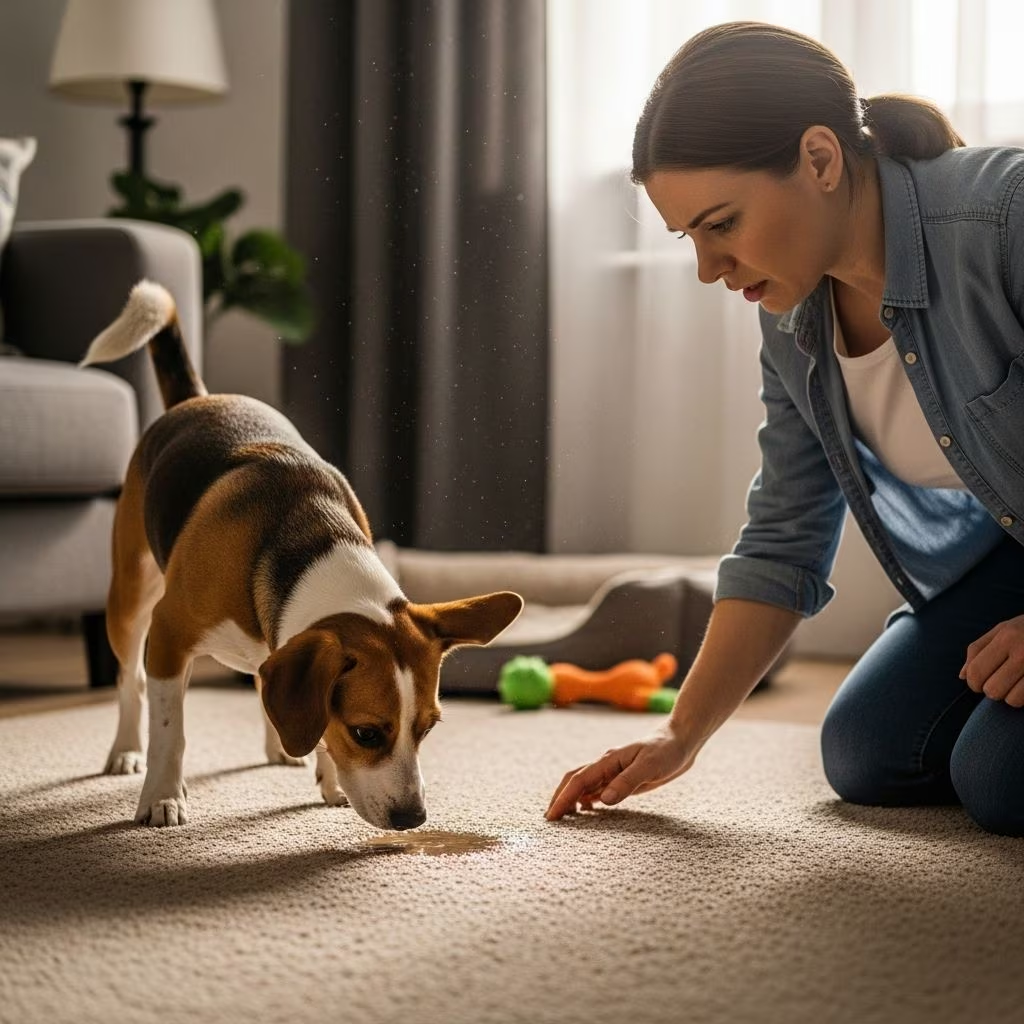
Scent marking is a natural canine behavior where dogs deposit small amounts of urine to communicate territory, status, or respond to stress. While common outdoors, indoor marking frustrates owners. This guide covers causes, prevention, cleaning, and training to manage it effectively.
Understanding Dog Scent Marking
Dogs use urine scent marking as a primary communication tool, leaving small puddles or leg lifts on vertical surfaces to convey information to other dogs. This instinctual behavior typically emerges after sexual maturity, with 70% of dogs starting by 1½ years and 90% by age 2. Unlike full bladder elimination, marking involves tiny urine amounts (often just a few drops) targeted at objects like furniture legs, walls, or new items.
Male dogs mark more frequently, but females do too, especially during estrus. Intact dogs exhibit it most, though neutered ones can continue if the habit forms early. Marking isn’t spiteful; dogs respond to instincts or environmental cues.
Why Do Dogs Scent Mark Indoors?
Indoor marking stems from two main drivers: territorial instincts and anxiety. Dogs mark to redefine boundaries amid changes or perceived threats.
Territorial Marking
Dogs view their home as territory and mark to assert ownership, especially near novel odors like visitor scents, new furniture, or other pets’ smells. Any vertical surface—walls, doors, cushions—can become a target if it carries intriguing scents. Outdoor intruders, such as unfamiliar dogs in the yard, trigger re-marking indoors to reinforce claims.
Anxiety-Related Marking
Stress prompts marking as a self-soothing mechanism. Common triggers include:
- Separation anxiety when owners leave
- New household members, pets, or babies
- Conflicts with other animals
- Recent moves or renovations
- Unfamiliar objects like luggage or shopping bags
Anxiety marking often occurs in high-traffic areas or near exits, signaling insecurity rather than dominance.
How to Stop Dog Scent Marking
Stopping indoor marking requires a multi-faceted approach: supervision, cleaning, neutering, addressing triggers, and training. Consistency is key, as marking is self-rewarding and hard to extinguish once established.
Supervise Closely
Watch your dog like a hawk indoors. Interrupt pre-marking signs—intense sniffing, circling, or leg lifting—by calling them away and redirecting outside. Tether them to you with a leash or confine to a crate/small room when unsupervised. Use a head halter outdoors to control sniffing and prevent marking on walks.
Clean Thoroughly
Urine odors linger, attracting repeat marking. Use enzymatic cleaners to break down proteins (never ammonia, which mimics urine smell). Scrub all spots multiple times until no scent remains to dogs’ sensitive noses. For outdoor areas, apply odor neutralizers to remove other dogs’ scents.
| Method | Product Type | Tips |
|---|---|---|
| Enzymatic Cleaner | Pet-specific urine remover | Saturate spot, let sit 10-15 min, blot dry. Repeat as needed. |
| Odor Neutralizer | Enzyme-based spray | Use outdoors on yard spots from stray dogs. |
| Blacklight Check | UV light | Detect hidden marks at night for complete cleaning. |
Spay or Neuter
Neutering reduces marking by 50-60% in males and curbs estrus-related marking in females. Best before puberty, but helps adults too. Combine with behavior mods for full effect.
Address Underlying Causes
Reduce anxiety with pheromone diffusers (DOGAppearing), calming routines, or puzzle toys providing mental stimulation like scent games. For territorial issues, block yard access to intruders and desensitize to triggers gradually.
Training Techniques to Curb Marking
Train proactively to predict and prevent. Reward outdoor elimination to build habits.
Interrupt and Redirect
At sniffing stage, say “leave it” and lead outside. Praise/treat profusely for pottying in approved spots. Never punish after marking—interrupt before.
Teach “Go Potty” Command
Pair cue with outdoor relief: say “go potty,” wait for urine, then reward. Use on walks to control marking urges. Practice daily for reliability.
Scent Work Enrichment
Channel marking instincts into scent games for mental fatigue, reducing stress marking. Start simple:
- Find the Treat: Hide treats in plain sight, progress to hidden spots.
- Box Search: Hide treats in one of several boxes; dog noses target.
- Muffin Tin Game: Treats under tennis balls in tin cups.
Daily 10-15 min sessions build focus, curb boredom, and improve impulse control.
Prevention Strategies for Long-Term Success
Prevent relapse with routines:
- Frequent potty breaks (every 2-4 hours).
- Enrich environment: scent trails, puzzle feeders.
- Bell training for potty requests.
- Limit access to past marking zones via baby gates.
- Daily exercise: 30-60 min walks/runs to burn energy.
For multi-dog homes, separate during high-stress times and rotate scent exposure.
When to Seek Professional Help
If marking persists after 4-6 weeks of consistent management, consult a vet to rule out UTIs or incontinence, then a certified behaviorist. Hard-core markers need custom plans, possibly meds for severe anxiety. Early intervention prevents ingrained habits.
Frequently Asked Questions (FAQs)
Is dog scent marking the same as house soiling?
No. Marking uses small urine amounts on vertical surfaces for communication; house soiling is larger puddles from full bladders, often horizontal.
Will neutering completely stop marking?
Not always—reduces it significantly but habits may linger. Pair with training.
How do I clean old urine marks?
Use enzymatic cleaners; check with blacklight. Multiple applications needed.
Can female dogs mark?
Yes, especially intact ones in heat, but stress triggers any female.
Does punishment work for marking?
No—it increases anxiety, worsening marking. Focus on prevention/reward.
Building a Marking-Free Home
Combine supervision, cleaning, training, and enrichment for results in weeks. Scent work games satisfy natural drives, while addressing anxiety prevents triggers. Patience yields a harmonious home. Track progress in a journal to adjust strategies.
Daily routine example:
- Morning: Scent game + potty walk.
- Day: Crate when alone; pheromone diffuser on.
- Evening: Supervised freedom, outdoor marking rewards.
With diligence, most dogs adapt, restoring peace.
References
- Scent Work for Dogs: The Ultimate Guide — Canine Brain Games. 2023. https://caninebraingames.dog/scent-work-for-dogs/
- Canine Scent Marking: What, Why, and Next Steps — Embrace Pet Insurance. 2024-01-15. https://www.embracepetinsurance.com/waterbowl/article/canine-scent-marking
- Dog Behavior Problems – Marking Behavior — Humane Society of Missouri. 2017-07. https://hsmo.org/wp-content/uploads/2017/07/Behavior-Problem-Urine-Marking-Behavior.pdf
- Dog & Cat Territorial Marking Behavior — Santa Barbara Humane. 2023. https://sbhumane.org/resources/territorial-marking/
- Curbing the Issue of Dog Marking — American Kennel Club. 2024. https://www.akc.org/expert-advice/training/curbing-marking/
- Dog Behavioral Problems: Marking — VCA Animal Hospitals. 2024. https://vcahospitals.com/know-your-pet/dog-behavior-problems-marking-behavior
- Don’t Pee on That! How to Stop Dog Marking Behaviours — McCann Dogs. 2023. https://www.mccanndogs.com/blogs/articles/dont-pee-on-that-how-to-stop-dog-marking-behaviours



