

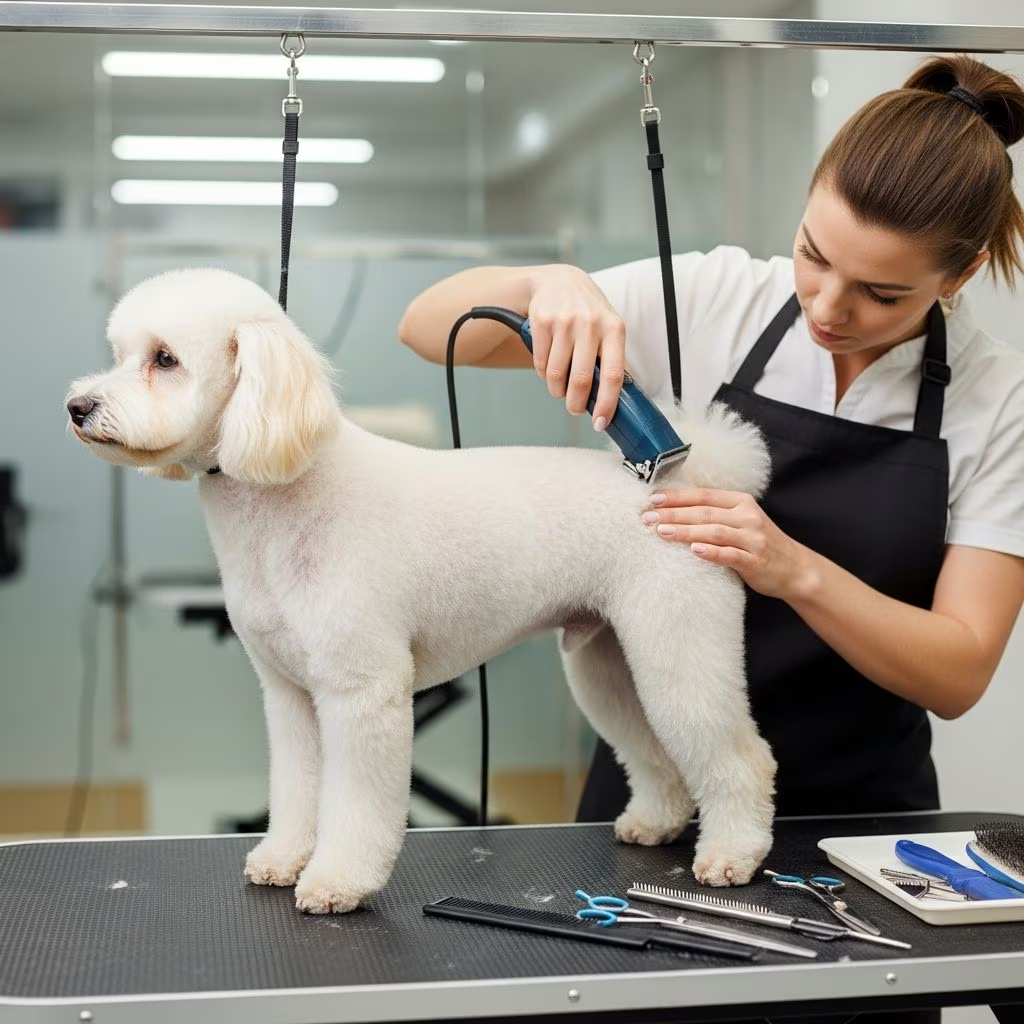
A dog sanitary trim is a targeted grooming practice that shortens fur around the most vulnerable parts of your pet’s body, promoting cleanliness and averting potential medical concerns. This routine care targets areas prone to dirt accumulation, making it vital for dogs with medium to long coats.
Understanding the Essentials of Sanitary Grooming
Sanitary grooming focuses on hygiene by clipping hair near the genitals, anus, belly, and sometimes paws. Unlike full-body grooms, it prioritizes health over style, ensuring waste does not cling to fur, which could foster bacterial growth or discomfort.
For breeds like Shih Tzus, Golden Retrievers, or any with flowing locks, unchecked hair growth in these zones traps moisture and debris, heightening infection risks. Even short-haired dogs benefit seasonally, particularly in humid climates where sweat and grime build up.
Key Advantages for Your Dog’s Well-Being
Implementing regular sanitary trims yields multiple health perks, from immediate relief to long-term prevention.
- Boosted Cleanliness: Short fur prevents feces, urine, and dirt from lodging, slashing odor and bacterial hotspots.
- Enhanced Ease: Dogs avoid tugging sensations from mats, allowing freer movement and less stress during elimination.
- Infection Safeguards: Trimming curbs urinary tract issues, skin rashes, and yeast overgrowth by keeping skin dry and aired.
- Slippery Surface Stability: Paw trims reduce hair between pads, minimizing slips that strain joints, crucial for seniors.
- Pest Deterrence: Open, short areas discourage ticks and fleas from hiding in warm, dense fur.
These gains extend to owners too, simplifying wipe-downs post-potty breaks and curbing household smells.
Prime Areas Targeted in a Trim
Precision matters; groomers or owners clip specific spots to maximize impact without overdoing it.
| Area | Purpose | Trim Style |
|---|---|---|
| Genital Region (Males/Females) | Stop urine/fecal trapping | Close crop, 1/4-inch max |
| Anus/Undertail | Avoid blockages, mats | Short buzz, smooth edges |
| Belly/Udder (Females) | Prevent irritation during heat | Light shave or scissor |
| Paw Pads/Feet | Improve traction, cleanliness | Pad shave, fringe trim |
| Face/Eyes (Optional) | Clear vision, reduce tears | Neat shape around eyes |
This table outlines common zones, adjustable per breed and coat type.
Recognizing When Your Dog Needs Attention
Spot early signs to act before problems escalate. Watch for:
- Persistent foul smells from rear or belly.
- Excessive licking or biting at private zones.
- Visible mats, tangles, or waste adhesion.
- Redness, rashes, or hot spots on skin.
- Slipping on floors or reluctance to walk.
- Difficulty cleaning after bathroom use.
Females in season or post-puppy breeds like Labradoodles demand more frequent checks.
How Often Should You Schedule Trims?
Frequency hinges on coat length, lifestyle, and season. Long-haired dogs thrive with every 4-6 weeks; short coats suit 8-12 weeks. Active pups or incontinence cases need bi-weekly touch-ups.
Monitor growth: if hair reaches 1/2-inch in key spots, book promptly. Puppies start at 3-4 months; seniors benefit lifelong for arthritis aid.
DIY Sanitary Trim: Step-by-Step for Confident Owners
With care, home trims save time and money. Gather: clippers (#10 blade), scissors, comb, treats, non-slip mat.
- Prep: Bathe and dry fully. Calm dog with play or snacks.
- Secure: Use table or counter; assistant helps for wiggly pups.
- Paws First: Lift foot, trim pad hair flush; scissor fringes short.
- Sanitary Zone: Gently part fur; clip genitals/anus to 1/4-inch, avoiding nicks.
- Belly/Undertail: Stretch skin taut; short strokes downward.
- Finish: Comb smooth, reward heavily. Wipe with pet-safe solution.
Practice on less sensitive areas first. Sessions last 15-30 minutes.
Why Choose Professional Groomers?
Experts wield proper tools, know anatomy, and handle squirms safely. They spot issues like lumps early. Costs: $20-50 standalone, less in full grooms. Hygienic shops use sanitized gear, reducing cross-contamination.
Compare options:
| Aspect | DIY | Professional |
|---|---|---|
| Skill Needed | Moderate | Expert |
| Time | 20-40 min | 15-30 min |
| Cost | Low (tools $50 initial) | $20-50/session |
| Safety | Owner-dependent | High |
| Results | Functional | Precise, even |
Beginners opt pro; veterans mix both.
Suitable Breeds and Special Cases
All dogs gain, but long-coats like Afghan Hounds, Cocker Spaniels, and Doodles need it most. Brachycephalics (Pugs) benefit from face trims. Seniors avoid joint stress; obese dogs prevent fold infections.
Pregnant or nursing moms require gentle handling to dodge mastitis. Consult vets for allergies or surgeries.
Common Mistakes and Fixes
- Over-Trimming: Leave 1/4-inch buffer for protection. Fix: Let regrow.
- Rushing: Causes cuts. Fix: Slow, steady.
- Ignoring Behavior: Stressed dogs nip. Fix: Positive reinforcement.
- Poor Tools: Human razors irritate. Fix: Pet-grade only.
Frequently Asked Questions
Is a sanitary trim painful?
No, when done right. Clippers glide smoothly; mats hurt more if ignored.
Can I do it post-bath?
Yes, dry fur clips best, reducing snags.
What if my dog has short hair?
Still useful for paws/genitals in summer or incontinence.
How to soothe post-trim skin?
Apply vet-approved balm; avoid lotions.
Does it grow back fast?
1/4-inch in 2-4 weeks, per breed.
Integrating into Routine Grooming
Pair with baths, ear cleans, nail trims for holistic care. Track via app: every 6 weeks standard. Seasonal boosts in spring/fall shed periods.
Invest in grooming table, LED clippers for visibility. Train pups young with treats for compliance.
Neglect risks escalate: from UTIs needing antibiotics to anal gland issues requiring expression. Proactive trims cut vet bills long-term.
References
- What Is a Dog Hygiene Cut? Benefits, Areas Trimmed & Frequency — Happy Hounds Grooming. 2023. https://www.happyhoundsgrooming.com/what-is-a-hygiene-cut-for-dogs
- Professional Sanitary Trim for Dog — Happy Hounds Grooming. 2023. https://www.happyhoundsgrooming.com/professional-sanitary-trim-for-dog
- The Importance of Sanitary Trims for Dogs — America’s Paw Spaw. 2023. https://www.americaspawspaw.com/the-importance-of-sanitary-trims-for-dogs-ensuring-comfort-and-preventing-issues/
- Sanitary Trims for Dogs — Waggin’ Tails Grooming. 2023. https://www.waggintailsgroomingny.com/sanitary-trims-for-dogs
- What is A Dog Sanitary Trim? — All Stage Canine Development. 2023. https://www.allstagecaninedevelopment.com/what-is-a-dog-sanitary-trim/
- Why Regular Sanitary Grooming is Essential — The Hairy Dog. 2023. https://thehairydog.net/why-regular-sanitary-grooming-is-essential-for-your-dogs-health-and-comfort/



