Creating a Sanctuary: Your Dog’s Personal Retreat Space
Learn how to design a peaceful haven where your dog feels secure and relaxed
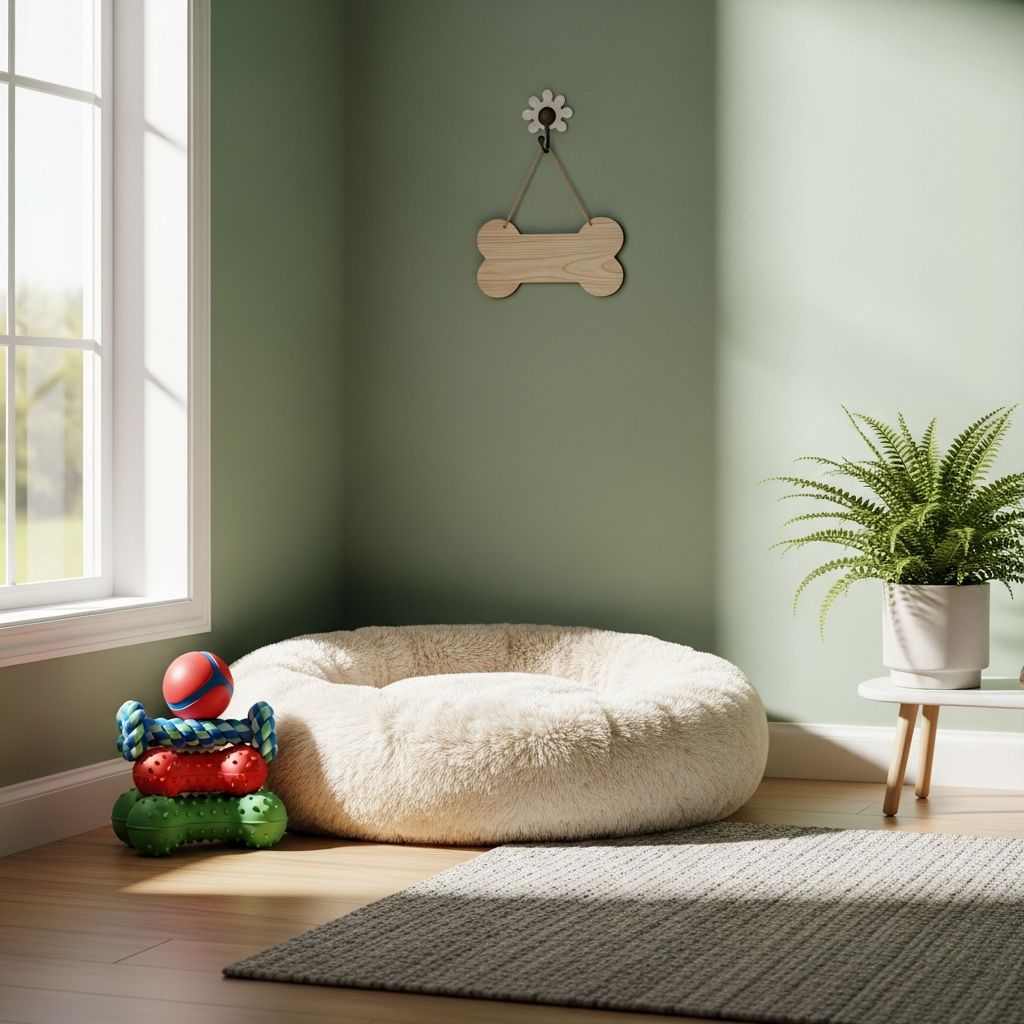
Every dog deserves a personal sanctuary within their home—a dedicated area where they can retreat when feeling overwhelmed, anxious, or simply in need of solitude. This concept extends beyond basic pet management; it directly contributes to your dog’s emotional wellbeing, confidence, and long-term behavioral health. Understanding how to establish this space effectively transforms your home into an environment where your dog feels genuinely secure.
Understanding the Core Purpose of a Canine Retreat
A dog’s personal sanctuary serves multiple psychological and practical functions. It provides an escape route when your dog encounters stressful situations such as thunderstorms, fireworks, household visitors, or unexpected disruptions to their routine. The existence of this space teaches dogs to self-regulate their emotions and develop coping mechanisms for anxiety-inducing scenarios. Rather than seeking destructive outlets or displaying problem behaviors, dogs with established safe zones learn to independently manage stress by retreating to their designated area.
Beyond anxiety management, a dedicated space communicates clear boundaries to your dog about where they can relax undisturbed. This prevents unwanted interactions, such as children climbing on a resting dog or other pets invading their personal area. The sanctuary becomes a predictable element in your dog’s daily environment—something they can depend on remaining consistent and accessible.
Strategic Location Selection for Maximum Effectiveness
Choosing the optimal location for your dog’s sanctuary requires careful consideration of your home’s layout and noise patterns. The ideal spot prioritizes tranquility over proximity to family activity, though this depends on your individual dog’s temperament and preferences.
Evaluating Environmental Factors
- Noise Exposure: Select areas that naturally minimize exposure to street traffic, appliances, and household commotion. Spare bedrooms, home offices, or laundry rooms often provide quieter alternatives to living spaces. If your dog suffers from specific noise phobias, such as sensitivity to fireworks, prioritize interior rooms without windows that face busy streets.
- Traffic Patterns: Choose locations with minimal foot traffic. High-activity areas where family members constantly pass through create ongoing disruptions rather than providing genuine refuge. Corners of less-frequently used rooms work better than central hallway locations.
- Temperature Stability: Avoid areas subject to drafts, direct sunlight, or temperature extremes. Consistent climate control helps your dog remain comfortable without excessive heat or cold.
- Natural Retreat Instincts: Observe where your dog naturally gravitates when seeking comfort or rest. Some dogs prefer enclosed spaces like closets or under tables, while others choose quiet corners. Positioning the sanctuary near these naturally preferred locations often increases utilization.
Designing Physical Structure and Layout
The physical configuration of your dog’s sanctuary can range from an entire spare room to a carefully arranged corner with protective barriers. The scale depends on available space and your dog’s specific needs.
Configuration Options for Different Living Situations
| Setup Type | Best For | Key Considerations |
|---|---|---|
| Dedicated Room | Larger homes with extra space; dogs requiring significant territory | Maintain door access; ensure comfortable temperature control |
| Enclosed Pen/Playpen | Apartments; shared living spaces; space-limited situations | Use locking joints to prevent collapse; vertical bars to prevent climbing |
| Covered Crate with Blanket | Small dogs; portable setup; travel situations | Ensure crate is appropriately sized; leave door open voluntarily |
| Fortified Fort (Blanket Tent) | Dogs preferring enclosed, den-like environments | Use sturdy furniture base; leave obvious exit route |
Structural Elements for Enhanced Security
Regardless of configuration type, several structural components enhance your dog’s sense of security within the space:
- Enclosure Privacy: Covering the sides of pens or playpens with blankets or tarps creates visual barriers that signal separation from household activity. This partial enclosure mimics den-like conditions that many dogs instinctively prefer.
- Floor Protection: Place absorbent pads or washable mats underneath bedding to protect flooring from accidents, especially during the adjustment period. This prevents stress about potential punishment, allowing dogs to relax completely.
- Visual Boundaries: Gating systems or pet barriers clearly define the sanctuary’s perimeter, signaling to other household members that this area is off-limits during your dog’s retreat time.
Essential Furnishings and Environmental Features
The internal composition of your dog’s sanctuary directly impacts how willingly they use it and how effectively it serves their emotional needs.
Comfort Infrastructure
Quality bedding forms the foundation of any welcoming sanctuary. Select orthopedic or memory foam beds that provide joint support, particularly important for senior dogs or those with mobility concerns. Multiple layers of blankets create nesting opportunities that many dogs find psychologically comforting. Allow your dog to arrange bedding according to their preference—some enjoy burrowing into blankets, while others prefer flat surfaces.
Temperature regulation within the space requires attention throughout seasonal changes. During summer months, ensure adequate ventilation and avoid direct sunlight exposure that raises interior temperatures. In winter, provide sufficient insulation and warmth to prevent discomfort. Some dog owners strategically position heated beds for cold-climate months while maintaining breathable setups during warmer seasons.
Sensory Elements That Promote Calm
Beyond physical comfort, sensory input significantly influences how your dog experiences their sanctuary. Calming scents, such as chamomile or coconut aromatics, have documented relaxation properties. Consider using pet-specific pheromone diffusers designed to mimic natural calming compounds that reduce anxiety responses.
Acoustic elements play an equally important role. White noise machines, fans, or background music mask external sounds that might otherwise startle or distract your dog. Research supports specific music genres for canine anxiety reduction; classical, reggae, and soft rock recordings demonstrate measurable calming effects on stressed dogs.
Lighting should remain subtle and muted. Harsh bright light can feel stimulating rather than calming. Natural indirect light or dim artificial lighting supports relaxation and encourages rest.
Resource Availability Within the Sanctuary
Your dog’s sanctuary should contain all essential resources necessary for extended periods of refuge:
- Hydration Access: Position spill-proof water bowls that remain constantly available. Dehydration during stress periods could escalate anxiety, making reliable water access important.
- Nutritional Stations: Regularly feeding your dog within their sanctuary builds positive associations with the space. Mealtime becomes an enjoyable event connected to their special area.
- Enrichment Objects: Include toys that encourage mental engagement without overstimulation. Food-dispensing toys or puzzle feeders provide constructive focus during anxious periods.
- Elimination Facilities: For dogs spending extended time in confined sanctuaries, include designated potty areas with absorbent pads to prevent accidents and associated stress.
Safety Considerations and Hazard Elimination
A truly safe sanctuary requires systematic evaluation to remove potential dangers that could harm your dog or create additional anxiety.
Comprehensive Safety Checklist
- Electrical Hazards: Secure all electrical cords and prevent access to outlets. Exposed wires pose electrocution risks and tempt curious dogs through chewing behavior.
- Toxic Substances: Remove cleaning products, pesticides, medications, and any plants known to be toxic to canines. Store these items in securely locked containers located outside the sanctuary.
- Choking Hazards: Eliminate small objects, plastic bags, foam pieces, and any items small enough to lodge in your dog’s throat. Regularly inspect the space for newly introduced dangers.
- Structural Stability: Ensure all pens, gates, and furniture used for sanctuary creation cannot collapse or shift unexpectedly. Unstable structures create safety risks and undermine your dog’s sense of security.
- Accessibility for Safety: If your dog is blind or has mobility limitations, ensure the sanctuary remains obstacle-free with clear pathways to all resources.
Introduction and Positive Association Building
Simply creating a physical space does not guarantee your dog will utilize it effectively. Deliberate introduction and positive reinforcement establish the sanctuary as a genuinely desirable location.
Begin by allowing your dog to explore the space voluntarily without pressure or confinement. Leave the crate door or sanctuary entrance open so your dog perceives it as a choice rather than an obligation. Reward any self-initiated exploration with treats, praise, or play to establish positive neural pathways associated with the space.
Never use the sanctuary for punishment, time-outs, or confinement against your dog’s will. Doing so transforms the intended refuge into a place of dread, completely undermining its therapeutic purpose. The sanctuary must remain exclusively positive in your dog’s mind.
Gradually increase your dog’s time in the sanctuary by feeding meals there, conducting training sessions, or playing with toys inside. These positive experiences deepen the association and make the space feel like a natural retreat rather than an unfamiliar area.
Customization for Individual Dog Needs
Different dogs have distinct preferences and requirements based on age, health status, and temperament.
Age-Specific Considerations
Senior dogs benefit from multiple bed options positioned throughout the home, providing choice and accessibility without requiring long walks. Extra padding addresses joint discomfort and arthritis symptoms. Younger, more energetic dogs might prefer sanctuaries incorporating enrichment elements that channel their natural drive for engagement.
Multi-Dog Households
When multiple dogs share a home, provide sufficient duplicate resources—separate beds, toys, and hiding places—to prevent competition and territorial conflicts. Some dogs coexist peacefully in shared sanctuaries, while others require individual spaces. Observe your dogs’ interactions to determine optimal configurations.
Monitoring and Ongoing Maintenance
An effective sanctuary requires periodic reassessment and adjustment. Pet cameras allow you to monitor your dog’s comfort and behavior patterns without intrusive presence. Notice whether your dog utilizes the space during stressful situations or simply avoids it entirely. If avoidance occurs, evaluate whether environmental factors need adjustment.
Seasonal changes may necessitate sanctuary modifications. Summer setups might emphasize cooling and ventilation, while winter configurations prioritize warmth. Regular inspections ensure hazards don’t accumulate and that all elements remain functional and safe.
Frequently Asked Questions
Can I use a sanctuary space for confinement when I leave home?
Yes, provided your dog is comfortable with solitude. The sanctuary becomes confinement-appropriate only after your dog has developed positive associations and voluntarily chooses to spend time there. Never force confinement in an unfamiliar or negatively-associated space.
How large should a sanctuary space be?
Minimum sizing requires sufficient room for your dog to stand at full height, turn around comfortably, and lie down in stretched position. Larger is generally better, allowing your dog flexibility in positioning. Oversized spaces feel less den-like for some dogs, so match size to individual preferences.
Should I leave the sanctuary door open or closed?
Initially, leave doors and crate entrances open so your dog perceives access as voluntary. Once positive associations develop, you may occasionally close doors, but never use this as punishment.
Can multiple dogs share one sanctuary?
Some dogs coexist peacefully in shared spaces, while others require individual areas. Observe your dogs’ comfort levels and provide separate sanctuaries if competition or tension emerges around this resource.
References
- Safe Spaces For Fearful Dogs — Dogkind Training. Accessed 2026. https://www.dogkindtraining.com/blog/safe-spaces
- How to Create a Safe Space for Your Dog — WoofDoctor on Wheels. Accessed 2026. https://www.woofdoctor.vet/create-a-safe-space/
- Setting Up a Puppy YES Space — Guide Dogs for the Blind. Accessed 2026. https://www.guidedogs.com/puppy-raising-guidebook/fundamentals-pups-2-to-5-months/setting-up-a-puppy-yes-space
- Creating a Zen Space for Your Dog to Alleviate Anxiety — Chewy. Accessed 2026. https://www.chewy.com/education/dog/pet-parenting/creating-a-zen-space-for-your-dog-to-alleviate-anxiety
- Set Up a Safe Space — GRRA. Accessed 2026. https://www.grra.com/post/set-up-a-safe-space
- Creating a Safe Dog Space: Pet Room Ideas — Crown & Paw. Accessed 2026. https://crownandpaw.com/blogs/news/how-to-create-a-comfortable-space-for-your-pet
- Creating a Safe Space for Your Pet — NOCO Humane. Accessed 2026. https://www.nocohumane.org/blog/creating-a-safe-space-for-your-pet/
- Creating a Good Home For Your Dog — RSPCA. Accessed 2026. https://www.rspca.org.uk/adviceandwelfare/pets/dogs/environment
Similar Articles








Read full bio of Sneha Tete