

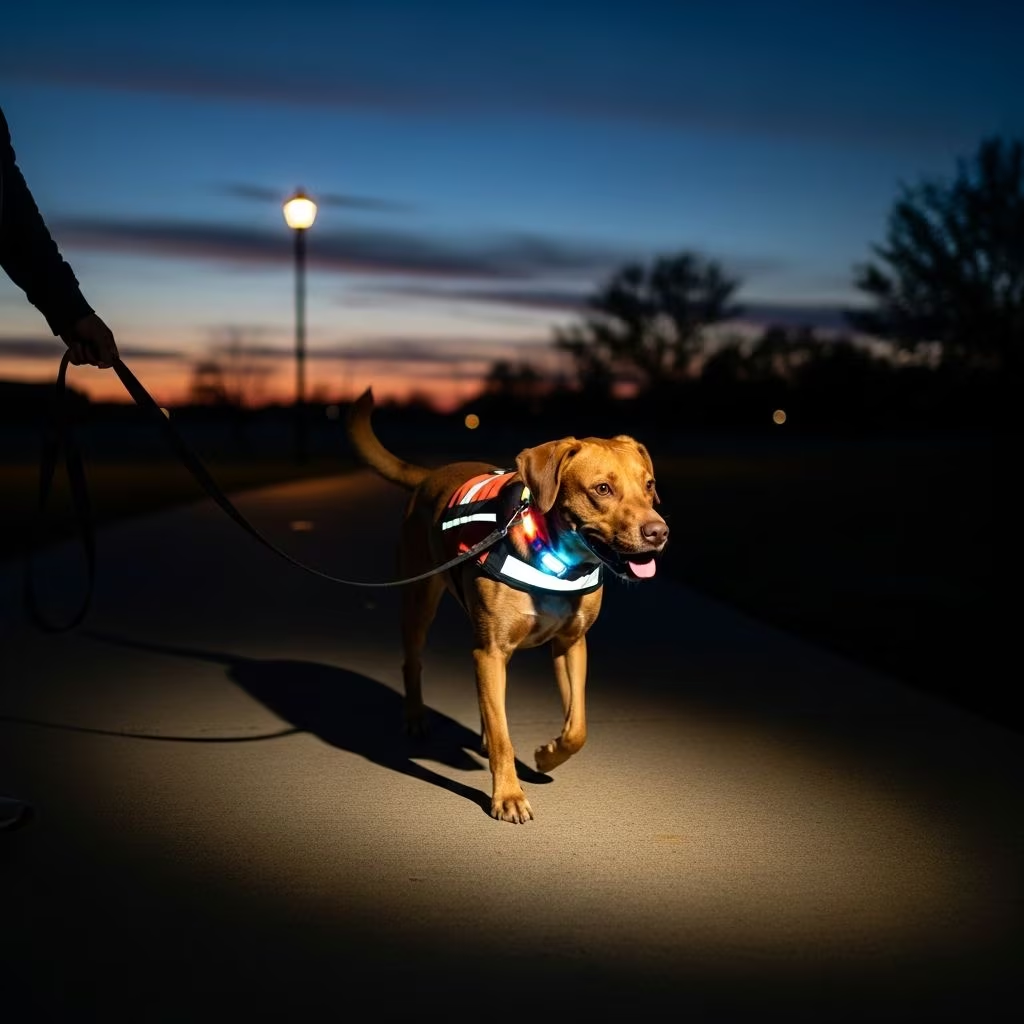
Dog Safety Tips for Nighttime Walks
Walking your dog is an essential part of their daily routine, providing exercise, mental stimulation, and opportunities for bathroom breaks. However, nighttime walks present unique challenges that require careful planning and preparation. Whether you work late, live in a warm climate where evening walks are more comfortable, or simply prefer walking during quieter hours, understanding how to keep your dog safe after dark is crucial for both your furry friend’s well-being and your own security.
According to the U.S. Department of Transportation, 76% of pedestrian fatalities occur at night. This sobering statistic underscores the importance of taking comprehensive safety measures when walking your dog in low-light conditions. By implementing the right strategies and investing in proper gear, you can transform nighttime walks into safe, enjoyable experiences for you and your canine companion.
Understanding the Risks of Nighttime Dog Walking
Nighttime dog walks come with several distinct risks that differ from daytime walking. Low-visibility conditions make it difficult for drivers and cyclists to spot you and your dog, increasing the likelihood of accidents. Additionally, wildlife activity increases after sunset, with nocturnal animals like raccoons, skunks, foxes, and coyotes becoming more active. These encounters can trigger your dog’s prey drive, potentially causing them to lunge or attempt to chase these animals.
Beyond animal encounters, navigating in darkness presents physical hazards. You’re more likely to trip on uneven pavement, step on sharp objects, or fail to notice obstacles in your path. If your dog is a scavenger, it’s harder to monitor what they might pick up from the ground. Furthermore, secluded nighttime walks can expose you to personal safety concerns, making awareness and preparation even more critical.
Maximizing Visibility for Your Dog
Visibility is your primary safety priority during nighttime walks. Making both you and your dog stand out in low-light conditions significantly reduces accident risks and helps deter potential threats.
Reflective and LED Equipment
Reflective collars and leashes are fundamental tools that make your dog visible to passing vehicles and pedestrians. These passive safety devices work by reflecting light from headlights, streetlights, and other light sources back to their source, making your dog instantly recognizable in the darkness.
LED-illuminated accessories take visibility to the next level. LED collars, leashes, and harnesses come in various models with multiple light modes—quick flash, slow flash, and steady glow—allowing you to choose the best option for different lighting conditions. Many modern LED products are water-resistant and rechargeable, making them practical for regular use in varying weather conditions. Light-up harnesses offer 360-degree visibility, ensuring your dog is visible from all angles.
LED clip-on lights are particularly useful if you already have favorite collars or harnesses you prefer to use. These affordable attachments provide enhanced visibility without requiring you to purchase entirely new gear. You can also consider glow-in-the-dark items, such as specialized dog toys or smart trackers with illuminated features.
Your Personal Visibility Gear
Don’t overlook your own visibility. Wear reflective clothing or accessories such as vests, wristbands, or armbands that help motorists and cyclists identify your presence from a distance. Avoid dark clothing that blends into the nighttime environment. Instead, opt for light-colored or reflective apparel that makes you stand out.
Carry a flashlight or wear a headlamp with a steady beam. This serves a dual purpose: it helps you see where you’re walking and alerts others to your presence. A hands-free headlamp can be particularly useful if you need both hands to manage your dog’s leash or navigate challenging terrain.
Choosing Safe Walking Routes
The path you choose significantly impacts your safety during nighttime walks. Thoughtful route selection reduces hazards and provides peace of mind.
Selecting Well-Lit, Familiar Areas
Choose routes that are well-lit and stick to streets with adequate street lighting. Familiar areas reduce the risk of tripping, encountering unexpected obstacles, and losing sight of your dog. When you know a route well, you’re better prepared for its characteristics and can anticipate potential hazards.
Avoid shortcuts through dimly lit areas, secluded parks, or wooded trails, especially if walking alone. Well-lit paths with sidewalks and even pavement are ideal. Look for routes with a predictable layout that you’ve walked before.
Traffic Considerations
If your route includes roads, walk against traffic so you can see approaching vehicles. Keep your dog on the inside of the sidewalk, away from the road. This positioning provides a buffer between your dog and passing traffic.
Avoid high-traffic hours when possible. Early morning or later evening walks during quieter times provide a safer environment for both you and your dog. If traffic safety is a significant concern, choose alternative routes with lower vehicle volumes.
Essential Gear and Equipment
Proper equipment provides both safety and control during nighttime walks.
Leashes and Harnesses
Always keep your dog on a leash, even if they’re usually well-behaved off-leash. A leash provides essential control if unexpected distractions appear, such as other animals or unusual noises. Use a secure 4-6 foot leash rather than a retractable one—retractable leashes are harder to control in darkness and don’t provide the same level of security.
Use well-fitted and secure gear that prevents your dog from slipping out of their collar or harness. A short leash provides better control at night, especially if your dog becomes startled or distracted.
Identification and Tracking
Ensure your dog is easy to identify with an ID tag and microchip before heading out on nighttime walks. Should your dog ever become separated from you in low-light conditions, proper identification dramatically increases the chances of a safe reunion.
Consider investing in a smart dog tracker with real-time GPS tracking for extra peace of mind, particularly if your dog is a flight risk or tends to pull toward distractions. These devices provide real-time location data and can alert you if your dog ventures beyond a set boundary.
Maintaining Control and Awareness
Your behavior and attention level are critical components of nighttime walking safety.
Stay Alert and Focused
Stay alert and avoid distractions. Keep your phone easily accessible but stay off it during your walk. While it might be tempting to listen to music or podcasts, keep headphones off so you remain aware of your surroundings at all times. Your senses need to be fully engaged to detect potential hazards or threats.
Stay aware of your surroundings by watching for reflective eyes from wildlife, uneven pavement, icy patches in colder weather, and other potential obstacles. Pay attention to your dog’s behavior—if your dog suddenly becomes agitated or nervous, this could be an early warning sign of something nearby that warrants caution.
Advanced Obedience Training
Double down on obedience commands like “Sit” and “Stay” to prevent your dog from bolting or engaging with potential threats. Well-trained commands provide you with crucial control options if your dog encounters exciting distractions or threatening situations.
Planning Your Nighttime Walking Schedule
Maintain a consistent walking schedule if possible, even if it means walking after dark. Consistency helps your dog adapt to the routine and can make nighttime walks more predictable and safer. Dogs thrive on routine, and a regular nighttime walk schedule can reduce anxiety and unexpected behavior changes.
If you have flexibility, choose walking times during lower-traffic hours. Early morning hours typically offer quieter streets and fewer distractions than evening rush periods.
Preparing for Unexpected Situations
Prepare for the unexpected by considering factors specific to your personal nighttime walks. Different seasons and climates present varying challenges.
Weather-Related Hazards
In winter and cold climates, be aware of ice-melting salts that can be dangerous for your dog’s paws. These salts can cause irritation, burning, and potential toxicity if ingested. Consider protective booties or paw wax to shield your dog’s feet. Additionally, watch for icy patches that could cause you or your dog to slip and fall.
In warmer climates, evening walks provide relief from daytime heat, but you should still be mindful of pavement temperature and ensure your dog stays hydrated.
Wildlife Encounters
If you encounter wildlife like coyotes or other predators, some safety experts recommend carrying a water bottle that can serve as a deterrent. A strategic squirt of water can discourage approaching animals and protect both you and your dog.
Safety Gear Comparison
Consider the following comparison of visibility and safety equipment options:
| Gear Type | Visibility Level | Durability | Cost | Best For |
|---|---|---|---|---|
| Reflective Collar | Good | Very High | Low | Budget-conscious owners |
| LED Collar | Excellent | High | Medium | Enhanced nighttime visibility |
| LED Harness | Excellent (360°) | High | Medium-High | Maximum visibility needs |
| Reflective Vest | Excellent | Medium | Low-Medium | Owner and dog visibility |
| GPS Tracker | Low (for visibility) | High | High | Peace of mind, escape prevention |
| Flashlight/Headlamp | Very High | Medium | Low-Medium | Personal safety and navigation |
Creating a Personal Safety Plan
Tell someone where you’re going before you leave for your nighttime walk. Share your expected route and return time with a friend, family member, neighbor, or partner. Consider using your phone’s location-sharing feature so they can track you in real-time if needed. This added layer of accountability provides security for both you and your dog.
For women and older pet parents who face increased vulnerability when walking alone at night, these precautions are particularly important. Having someone aware of your location ensures help can be dispatched quickly if needed.
Breed and Dog-Specific Considerations
Different dogs have different needs during nighttime walks. Dogs with high prey drive may become more reactive to nocturnal wildlife, requiring shorter leashes and closer attention. Anxious or reactive dogs may benefit from routes with fewer unexpected stimuli. Senior dogs might need slower-paced walks and more frequent breaks. Puppies need carefully controlled environments to prevent overwhelming them with nighttime stimuli.
Building Your Nighttime Walking Kit
Essential items to include in your nighttime walking kit:
Safety and Visibility:
- LED collar or reflective collar
- LED leash or reflective leash
- Reflective vest or light-colored clothing
- Flashlight or headlamp
- Glow-in-the-dark markers or tags
Control and Identification:
- Well-fitted leash (4-6 feet)
- Secure harness
- ID tag with current contact information
- Microchip documentation
- Recent photo of your dog (for emergency reference)
Convenience and Emergency:
- Portable water bottle and bowl
- Waste disposal bags
- Mobile phone (fully charged)
- Emergency contact information
- First aid supplies for minor injuries
Frequently Asked Questions
Q: Is it safe to walk your dog at night?
A: Yes, nighttime walks can be safe when you take proper precautions. Invest in quality visibility gear, choose well-lit familiar routes, maintain awareness of your surroundings, keep your dog on a secure leash, and tell someone where you’re going. The key is preparation and vigilance.
Q: What’s the best reflective gear for dogs?
A: LED collars and harnesses offer the best visibility, while reflective collars and leashes are cost-effective options. Many experts recommend combining multiple forms of visibility—such as a reflective collar plus an LED clip-on light—for maximum protection.
Q: How can I protect my dog from nocturnal wildlife?
A: Keep your dog on a short, secure leash at all times. Practice obedience commands to prevent bolting. Avoid walking in secluded areas where wildlife encounters are more likely. Consider carrying a deterrent like a water bottle for emergencies. If your dog has high prey drive, consult your veterinarian about managing this behavior.
Q: What should I do if my dog gets lost during a nighttime walk?
A: This is why identification is crucial. Ensure your dog has an ID tag and microchip registered with current contact information. If your dog becomes lost, contact local animal shelters and veterinary clinics immediately, post on social media and lost pet websites, and consider using GPS tracking services if your dog has a smart collar.
Q: Are retractable leashes safe for nighttime walks?
A: No, retractable leashes are not recommended for nighttime walks. Standard 4-6 foot leashes provide much better control in low-light conditions. Retractables are harder to manage quickly if your dog becomes startled or distracted by wildlife or traffic.
Q: How can I help my dog adjust to nighttime walks?
A: Establish a consistent walking schedule so your dog adapts to the routine. Start with shorter walks in well-lit areas, gradually building confidence. Use positive reinforcement and treats to create positive associations with evening walks. Your calm, alert demeanor will help your dog feel secure.
Conclusion
Walking your dog at night doesn’t have to be a risky endeavor. By investing in the right visibility gear, choosing well-lit familiar routes, staying alert and aware, maintaining consistent schedules, and using secure leashes and harnesses, you can ensure safe and enjoyable nighttime experiences for both you and your furry companion. Remember that the foundation of safe nighttime walks is visibility and awareness. Gear up with reflective and LED equipment, keep your dog on a short, secure leash, stay focused on your surroundings, and communicate your plans with someone you trust. With these comprehensive safety measures in place, you and your dog can confidently enjoy those evening strolls together.
References
- Safety while walking your dog at night — Horner Vets. Accessed November 2025. https://hornervets.com/newsletter-blog/walking-your-dog-at-night
- 7 Practical Tips for Walking Your Dog at Night — Rover. https://www.rover.com/blog/how-to-safely-walk-dog-at-night/
- Walking Your Dog at Night: Essential Safety Tips — J-B Pet Supplies. https://www.jbpet.com/content/blog/2020107368384942048/
- 8 Steps To Safely Walk Your Dog In The Dark — Tractive. https://tractive.com/blog/en/safety/safety-tips-walking-the-dog-in-the-dark



