

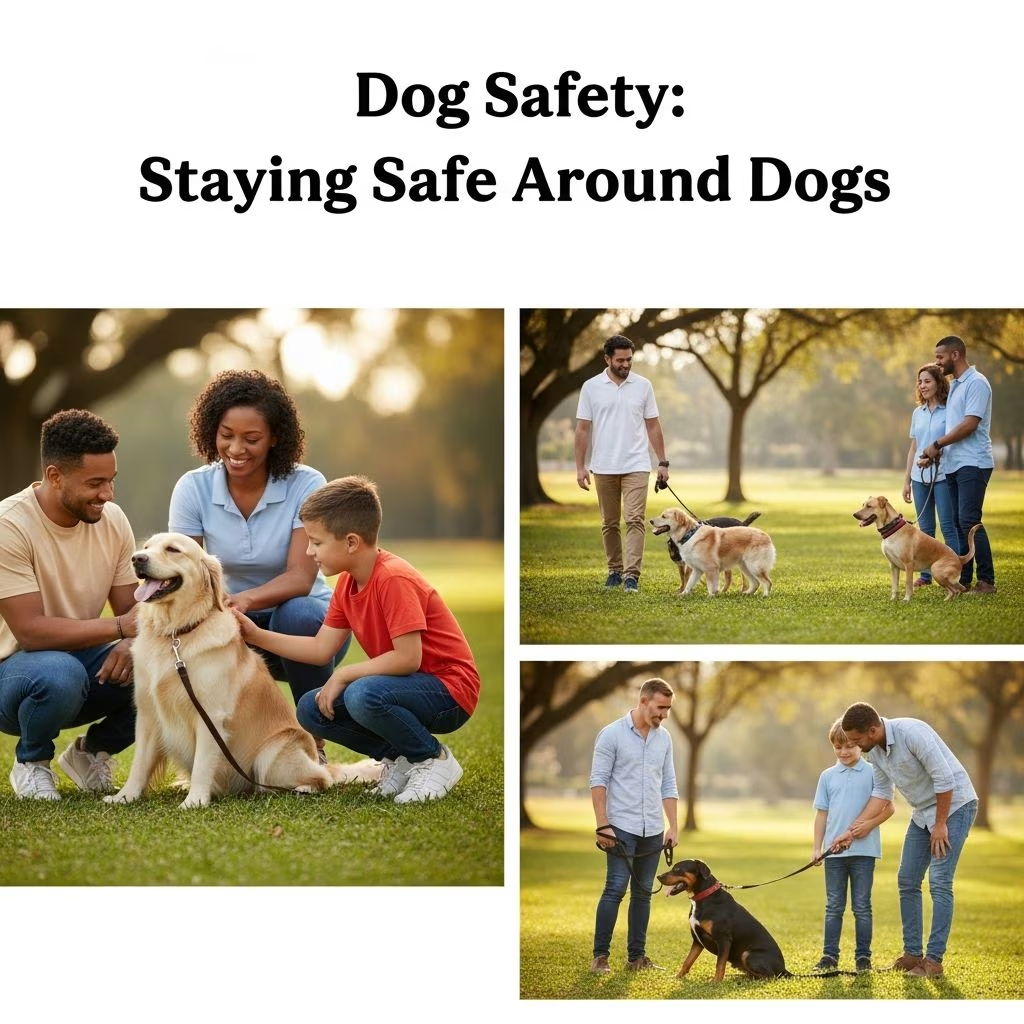
Dog Safety: Staying Safe Around Dogs
Most dogs are wonderful companions that bring joy and enrichment to our lives. However, certain situations can frighten or upset even the most well-behaved dogs. Understanding dog behavior and practicing proper safety protocols is essential for preventing incidents and creating safer communities for both humans and canines. By learning to recognize warning signs and respecting a dog’s boundaries, you can significantly reduce the risk of dangerous situations, including dog bites.
Understanding Canine Body Language
Dogs communicate their feelings and intentions through body language before they resort to aggressive behavior. Recognizing these signals allows you to respond appropriately and avoid potentially dangerous situations. Dogs that haven’t experienced various life situations—such as living in a home, interacting with children, or meeting other animals—may find certain circumstances stressful, leading to concerning behaviors or defensive reactions.
By observing a dog’s posture, facial expressions, and tail position, you can understand whether the dog is comfortable or anxious. A dog showing signs of stress will typically display body language that indicates discomfort before escalating to more serious defensive actions.
Essential Dog Safety Tips
Following these fundamental safety guidelines will help you interact safely with dogs in various situations:
Never Corner a Dog
Dogs need the ability to move away when they feel uncomfortable or threatened. Cornering a dog eliminates their escape route, which may force them to display defensive or aggressive behavior, including biting. Always provide dogs with a clear pathway to retreat from situations that make them anxious.
Approaching Unfamiliar Dogs Safely
When an unknown dog approaches you, especially one that is off-leash, stand calmly with your hands at your sides and avoid making direct eye contact. Direct eye contact can be perceived as a threat by some dogs. Do not run away, as most dogs will chase you, and even a friendly dog can become overstimulated and aggressive during a chase. Instead, move away slowly while searching for the dog’s owner. If necessary, position yourself behind a barrier or fence.
Avoid Dogs in Protective Situations
Never approach dogs that are in cars, chained, or tied with ropes. Dogs in these situations often feel territorial and may become more defensive or vulnerable than usual. A chained dog knows they cannot escape a threat, making aggression their only defense mechanism. These restricted dogs are significantly more likely to bite if approached unexpectedly.
Respect Dogs’ Personal Space During Vulnerable Moments
Avoid approaching or touching dogs when they are sleeping, intensely focused on something, or caring for puppies. These are moments when dogs are most likely to react defensively due to being startled or protecting their young.
Never Intervene in Dog Fights
If you witness dogs fighting, do not attempt to separate them. Keep your hands away from their heads and mouths. Attempting to break up a fight puts you at serious risk of severe injury.
Keep Distance During Feeding Times
Always leave dogs alone while they are eating from bowls, chewing treats, or consuming other high-value items. Resource guarding is a natural canine behavior, and dogs may become aggressive when eating. If you must approach a dog during mealtime, toss a high-value treat to the side to lure the dog away from the bowl or item before retrieving it.
Respect Barriers and Fences
Never reach over, under, or through fences or barriers to pet or touch a dog. Dogs behind barriers often behave differently than they would in open spaces, and reaching toward them can startle or threaten them.
Avoid Teasing, Chasing, or Harassing Dogs
Never tease, chase, or harass a dog, as these actions can trigger defensive or aggressive responses. Treat all dogs with respect and kindness.
Don’t Enter Properties With Unfamiliar Dogs
Never enter a property containing a dog unless accompanied by the dog’s owner. Dogs are naturally protective of their family and territory, and they may perceive unfamiliar visitors as a threat to their home.
Keeping Children Safe Around Dogs
Children require special attention and supervision when interacting with dogs, as they may not understand appropriate canine behavior or recognize warning signs.
Constant Supervision is Essential
Children should always be supervised around dogs, including family pets. Supervision protects children from accidental injuries while also protecting dogs from being inadvertently hurt or annoyed by children who don’t realize that certain types of touching can pain the dog or cause them to become defensive or mouthy.
Protect Babies From Startling Dogs
Never leave babies unattended around dogs. Babies make sudden movements and loud noises that can startle dogs and trigger unexpected reactions. Their unpredictability can be anxiety-inducing for dogs unfamiliar with infants.
Teach Children About Dog Safety
Educate children early about appropriate interactions with dogs and promote dog-safe practices. Children should learn to recognize signs of canine stress, understand personal space boundaries, and know how to gently interact with dogs in ways that won’t cause discomfort.
Choose the Right Dog for Your Family
When considering bringing a new dog into your family, document your family’s lifestyle, living situation, and experience level with dogs. Consult with shelter staff or conduct research to determine what breed or type of dog would be the best fit for your specific family circumstances.
Professional Training for the Whole Family
Work with a certified trainer who teaches appropriate behaviors using humane, effective, and ethical methods. Involve your entire family in training sessions, making it enjoyable by playing a game of spotting and reinforcing desirable behavior in your dog. This creates a positive learning experience for everyone.
Habits That Promote Safety Around Dogs
Early Socialization and Family Integration
Socialize your dog early and include them in family activities from the beginning. Dogs also need socialization beyond the home environment; they should be comfortable meeting various people, encountering different settings, and experiencing diverse situations. Well-socialized dogs are typically more confident and less reactive to novel situations.
Avoid Physical Punishment
Never hit your dog or use other forms of physical punishment. These methods can make dogs fearful, resentful, or aggressive, creating the exact behavioral problems you’re trying to prevent. Modern training techniques emphasize positive reinforcement, which is more effective and humane.
Provide Daily Human Interaction
Ensure your dog receives abundant human interaction every day. Happy, well-socialized dogs are good dogs. As inherently social animals, dogs thrive on interaction and genuinely want to be part of family life. Regular positive engagement strengthens your bond and improves behavior.
Avoid Tethering Your Dog
Don’t chain or permanently tether your dog, as this removes their ability to flee from perceived threats and creates feelings of vulnerability. A dog without an escape route will perceive aggression as their only option for self-defense. If you keep your dog outside without a fenced yard, use a tether on a movable line so your dog isn’t confined to one spot.
Never Allow Your Dog to Roam Freely
Letting your dog roam without supervision greatly increases their risk of injury or death from vehicles, attacks by people or other animals, or exposure to environmental hazards. Responsible dog ownership includes keeping your dog contained and supervised.
Careful Introduction to New Experiences
Exercise caution when introducing your dog to new people, other dogs, or unfamiliar situations. Your goal should be providing the dog with a succession of positive experiences so their social skills continue to improve and they develop confidence in various circumstances.
Frequently Asked Questions About Dog Safety
Q: What should I do if a strange dog approaches me?
A: Stand quietly with your hands at your sides and avoid making eye contact. Do not run, as this triggers a chase response. Move slowly away while looking for the dog’s owner, and seek shelter behind a barrier if needed.
Q: Can I pet a dog I see chained in a yard?
A: No. Chained dogs often feel trapped and vulnerable, making them more likely to bite. Their only defense is aggression since they cannot escape. Always avoid approaching chained or tethered dogs.
Q: How can I teach my child to be safe around dogs?
A: Teach children to recognize dog body language, respect personal space, never tease or chase dogs, and always ask permission before petting someone else’s dog. Supervise all interactions between children and dogs closely.
Q: What’s the best way to break up a dog fight?
A: Never attempt to break up a dog fight with your hands or body. Keep your hands away from the dogs’ heads and mouths. Instead, try making loud noises or use an object to create a distraction, or seek help from animal control.
Q: Is it safe to reach through a fence to pet a dog?
A: No. Dogs behind barriers often behave differently than in open spaces. Reaching through a fence can startle or threaten the dog and increase bite risk. Always respect barriers and fences.
Q: Should I let my dog roam the neighborhood freely?
A: No. Free-roaming dogs face significant dangers including traffic accidents, animal control pickup, poisoning, fights with other animals, and intentional harm. Responsible ownership means keeping your dog contained and supervised.
Q: Why is socialization important for dog safety?
A: Proper socialization helps dogs become confident and comfortable in various situations. Well-socialized dogs are less likely to react fearfully or aggressively to new people, places, and experiences, promoting safety for everyone.
Q: What should I do if my dog is an escape artist?
A: First, secure your yard to prevent escapes. Then address the underlying cause, which is often boredom. Provide adequate exercise, mental stimulation, and enrichment activities. Ensure your dog has a current ID tag and microchip in case they escape.
References
- Dog Safety: Staying Safe Around Dogs — Best Friends Animal Society. Accessed 2025-11-28. https://bestfriends.org/pet-care-resources/dog-safety-staying-safe-around-dogs
- Dog Safety — Best Friends Animal Society. Accessed 2025-11-28. https://bestfriends.org/pet-care-resources/dog-safety
- Dangerous Dog Laws: Keeping People and Pets Safe — Best Friends Animal Society. Accessed 2025-11-28. https://bestfriends.org/pet-care-resources/dangerous-dog-laws-keeping-people-and-pets-safe
- Co-occurrence of potentially preventable factors in 256 dog bite-related fatalities in the United States (2000-2009) — Journal of the American Veterinary Medical Association, Vol. 243, No. 12. December 2013.
- Dog Breed-Neutral Laws for Safe Communities — Best Friends Animal Society. Accessed 2025-11-28. https://bestfriends.org/pet-care-resources/dog-breed-neutral-laws-safe-communities



