

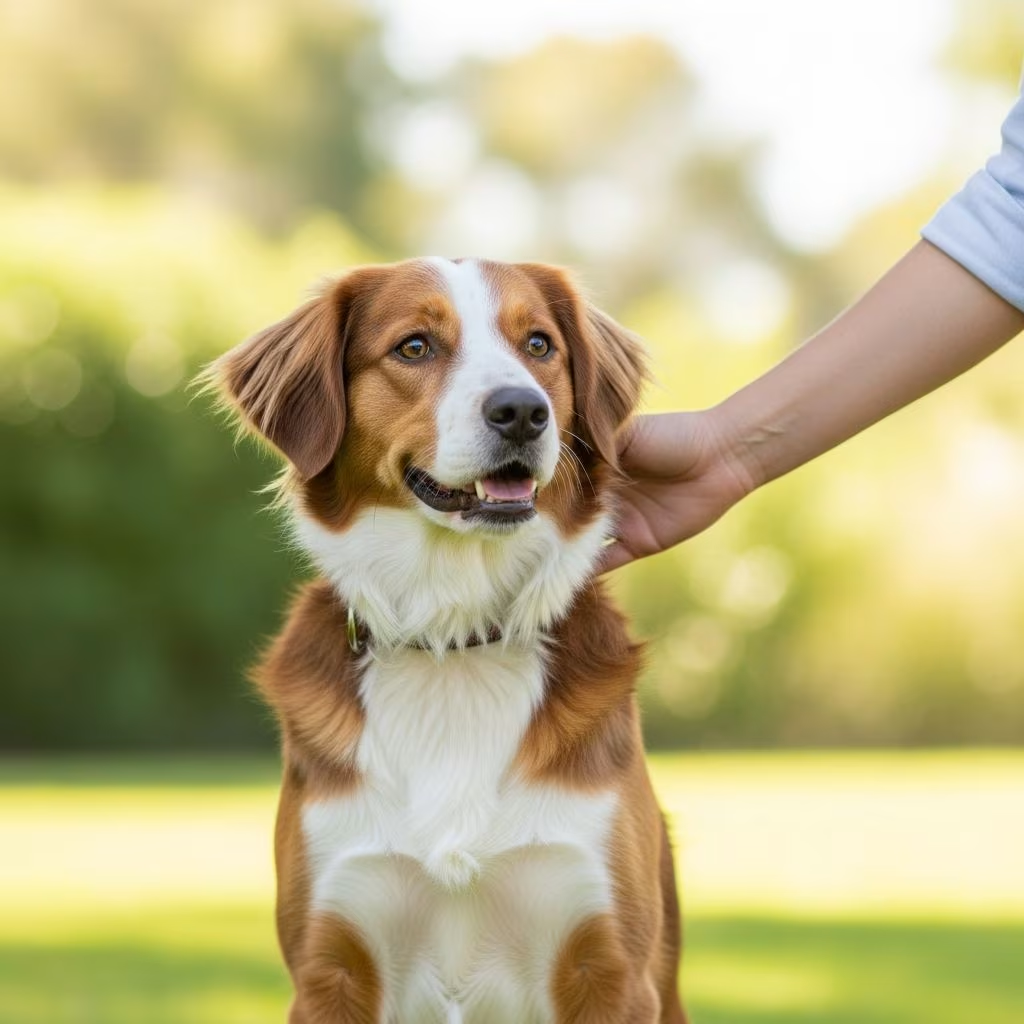
Dog Safety: A Complete Guide to Responsible Pet Ownership
Responsible dog ownership extends far beyond providing food and shelter. It encompasses a commitment to keeping your dog safe from harm while ensuring they don’t pose a risk to your community. Many dogs are allowed to roam the streets unsupervised, with owners often assuming their pets will return home safely. However, the reality is that the world presents numerous dangers for dogs who are left to roam freely. Understanding these risks and taking proactive steps to prevent them is essential for every dog owner who wants to prioritize their pet’s wellbeing.
Why Letting Your Dog Run Free Is Dangerous
Allowing your dog to roam freely without supervision is one of the most significant risks a pet owner can take. When you let your dog run loose, you are essentially abdicating responsibility for their safety and exposing them to numerous preventable dangers. The consequences of this decision can be severe and, in many cases, irreversible.
The dangers facing free-roaming dogs include:
- Traffic accidents causing serious injury or death
- Capture by animal control officers performing their duties
- Intentional poisoning or injury from people who perceive the dog as a nuisance
- Accidental poisoning from antifreeze, snail bait, or other toxic substances
- Attacks or fights with other dogs resulting in significant injury
- Getting lost and separated from their family permanently
- Exposure to diseases and parasites from unknown animals
These dangers are not theoretical possibilities—they are real threats that countless dogs face every day. By keeping your dog securely contained and supervised, you eliminate the vast majority of these risks.
Identification: Your Dog’s Ticket Home
Despite your best efforts to prevent escapes, accidents happen. That’s why proper identification is absolutely critical for every dog. A current identification tag on your dog’s collar provides an immediate way for strangers or animal control to contact you if your dog is found wandering alone. Make sure the tag includes your current phone number and address so that anyone who finds your dog can quickly reunite them with your family.
However, collars and tags can be lost or removed. That’s why microchipping is equally important. A microchip is a permanent form of identification that is implanted under your dog’s skin. Unlike tags, microchips cannot be lost, removed, or destroyed. When a lost dog is brought to a shelter or veterinary clinic, staff members scan the microchip to identify the owner and facilitate a reunion. Every responsible dog owner should ensure their pet is microchipped and that the registration information is kept current.
Spaying and Neutering: A Responsibility You Cannot Ignore
Spaying or neutering your pet is not optional—it’s a fundamental responsibility of dog ownership. This procedure does far more than prevent unwanted litters. Spaying and neutering helps animals lead happier, healthier lives by reducing behavioral problems, decreasing the risk of certain cancers, and preventing infections of the reproductive system.
Beyond the individual benefits to your dog, spaying and neutering is about preventing the tragedy of unwanted animals. Every year, millions of dogs end up in shelters, many of which face euthanasia due to overcrowding. By spaying or neutering your pet, you directly contribute to reducing this crisis. Additionally, studies have shown that the majority of dog bite cases involve unneutered male dogs, making spaying and neutering an important public safety measure as well.
Managing Escape Artists: Securing Your Yard and Home
If you have a dog who is an escape artist, you need a multi-faceted approach to keep them safely contained. The first step is to secure your yard thoroughly. This means checking fences for gaps, holes, or weak spots that your dog could exploit. Make sure gates are secure and cannot be pushed open. Consider the height of your fence as well—some dogs are excellent jumpers and may need a taller barrier.
However, physical containment alone is not always enough. If your dog continues to attempt escape despite a secure yard, they may be escaping out of boredom. Address the underlying cause by providing:
- Regular exercise and physical activity appropriate for your dog’s age and breed
- Mental stimulation through puzzle toys and interactive games
- Social interaction with family members and other dogs
- Supervised outdoor time in addition to yard access
- Training and obedience work to provide structure and engagement
If you must keep your dog outside and don’t have a fenced yard, consider using a tether on a movable line rather than chaining them to one spot. This allows them to move around and explore their environment while remaining safely contained. However, always prioritize getting a fenced yard whenever possible, as this is the safest option for outdoor dogs.
Building Safe Habits and Behaviors
Creating a safe environment for your dog goes beyond physical containment. It involves developing habits and practices that promote safety and wellbeing in all aspects of your dog’s life.
Socialization and Family Integration
Socializing your dog early and making them an active part of your family activities is crucial for their development. Dogs are inherently social animals and thrive on human interaction. A happy dog is a good dog—one that is less likely to develop behavioral problems or anxiety-related issues. Beyond your family and home, your dog also needs to be socialized to the wider world. This means exposing them to different people, environments, sounds, and experiences in a positive, controlled manner. When introducing your dog to new situations, people, or other dogs, always do so cautiously with the goal of creating happy experiences that build confidence and improve social skills.
Human Interaction and Daily Engagement
Make sure your dog has plenty of human interaction every day. This doesn’t necessarily mean constant attention, but rather regular engagement, play, training, and companionship. Dogs were domesticated to live alongside humans, and they depend on us for social connection and mental stimulation. Dogs that lack adequate human interaction often develop behavioral problems, anxiety, and destructive tendencies.
Avoiding Physical Punishment
Never hit your dog or use other forms of physical punishment. This approach is not only ineffective but counterproductive. Physical punishment can make dogs fearful, resentful, and even aggressive. Instead, work with a certified trainer who uses humane, effective, and ethical training methods. Involve your whole family in training sessions and make it a game to spot and reinforce desirable behaviors. Positive reinforcement is far more effective than punishment for creating well-behaved, confident dogs.
Avoiding Tethering and Chaining
Chronic tethering or chaining is harmful to dogs both physically and psychologically. When a dog is tethered, they lose their ability to flee from perceived threats. This makes them feel vulnerable and defensive, and their only option becomes to attack. Tethered dogs are more likely to develop aggression, anxiety, and behavioral problems. If you must keep your dog outside without a fence, use a movable tether line that allows them to move freely rather than chaining them to one fixed spot. Better yet, invest in fencing so your dog can enjoy outdoor time safely.
Protecting Children Around Dogs
Children and dogs can form wonderful bonds, but this relationship requires careful supervision and education to remain safe. Children should always be supervised around dogs, including family pets. This supervision protects children from accidental injuries while also protecting dogs from unintentional harm by children who may not yet understand proper handling techniques.
Babies require special attention because their sudden movements and loud noises can startle even the calmest dogs. Never leave babies unattended around dogs, regardless of how gentle the dog may be. Teach children about dog safety early and promote dog-safe practices consistently. When considering bringing a new dog into your family, write down what your family is like and consult with shelter staff or conduct research to determine what kind of dog would be best suited to your household. The right match is crucial for everyone’s safety and happiness.
Understanding Dog Behavior and Body Language
One of the most important aspects of dog safety is understanding and monitoring canine body language. Dogs communicate their emotions and intentions through their posture, tail position, ear position, and facial expressions. Learning to read these signals helps you recognize when a dog is uncomfortable, fearful, or potentially dangerous.
Never corner a dog or put them in a situation where they feel trapped. Dogs that don’t have an escape route may display concerning behavior or resort to biting as a last defense. If you encounter an unfamiliar dog, stand quietly with your hands at your sides and avoid eye contact. If the dog is off-leash, do not run, as most dogs will chase you. Even a friendly dog can become aroused and aggressive during a chase. Instead, move away slowly while looking for the dog’s owner.
Avoid approaching dogs in cars, on chains, or tied to ropes, as they may be more protective and defensive than usual. Do not approach or touch dogs while they’re sleeping, fixated on something, or with their puppies. Similarly, never get between dogs who are fighting, and always keep your hands away from their heads. Leave dogs alone when they are eating—whether from a bowl, chewing a treat, or with any high-value item. If you must approach a dog eating, have a high-value treat available to toss to the side to create distance.
Choosing the Right Dog for Your Family
Preventing behavioral problems starts long before a dog exhibits concerning behavior. When considering adding a dog to your family, take time to honestly assess your lifestyle, living situation, family composition, and experience level with dogs. Consult with shelter staff or conduct thorough research about different breeds and their characteristics. The goal is to find a dog that is well-suited to your family’s needs and capabilities, setting everyone up for success.
Once you bring a dog home, work with a certified trainer who uses positive, humane, and ethical methods. Training should be a family activity that everyone can participate in. Make learning new behaviors fun by creating games around spotting and reinforcing desirable behavior in your dog.
Frequently Asked Questions About Dog Safety
Q: What should I do if my dog escapes despite my best efforts?
A: Make sure your dog has a current ID tag and is microchipped so they can be identified and returned to you. Contact local animal shelters and vets immediately, post on social media and lost pet websites, and search your neighborhood thoroughly. Prevention is always better than dealing with a lost dog situation.
Q: Is it okay to leave my dog outside all day while I’m at work?
A: Dogs should not be left outside unsupervised for extended periods. They need regular human interaction, bathroom breaks, access to fresh water, and appropriate shelter. A combination of indoor time with you and supervised outdoor time is ideal for most dogs.
Q: How can I tell if my dog is stressed or uncomfortable in a situation?
A: Signs of stress include a tucked tail, pinned-back ears, a tense body, whale eye (showing whites of eyes), yawning, lip licking, and turning their head away. If you notice these signs, remove your dog from the situation and allow them to calm down.
Q: At what age should I spay or neuter my dog?
A: Consult with your veterinarian about the best time for your individual dog. Most vets recommend spaying or neutering around six months of age, though this may vary based on breed, size, and health status.
Q: What should I do if I encounter a loose dog in my neighborhood?
A: Do not approach the dog directly. Instead, stand still, avoid eye contact, and move slowly away. Try to contact the dog’s owner if you can see or read an ID tag. If the dog is aggressive or you cannot safely identify the owner, call animal control.
References
- Dog Safety: Staying Safe Around Dogs — Best Friends Animal Society. Accessed 2025-11-28. https://bestfriends.org/pet-care-resources/dog-safety-staying-safe-around-dogs
- Dog Safety — Best Friends Animal Society. Accessed 2025-11-28. https://bestfriends.org/pet-care-resources/dog-safety
- Co-occurrence of potentially preventable factors in 256 dog bite-related fatalities in the United States (2000-2009) — Journal of the American Veterinary Medical Association, Vol. 243, No. 12, December 2013. https://avmajournals.avma.org/view/journals/javma/243/12/javma.243.12.1726.xml
- Dog Breed-Neutral Laws for Safe Communities — Best Friends Animal Society. Accessed 2025-11-28. https://bestfriends.org/pet-care-resources/dog-breed-neutral-laws-safe-communities
- American Temperament Test Society — ATTS. Accessed 2025-11-28. https://atts.org/



