

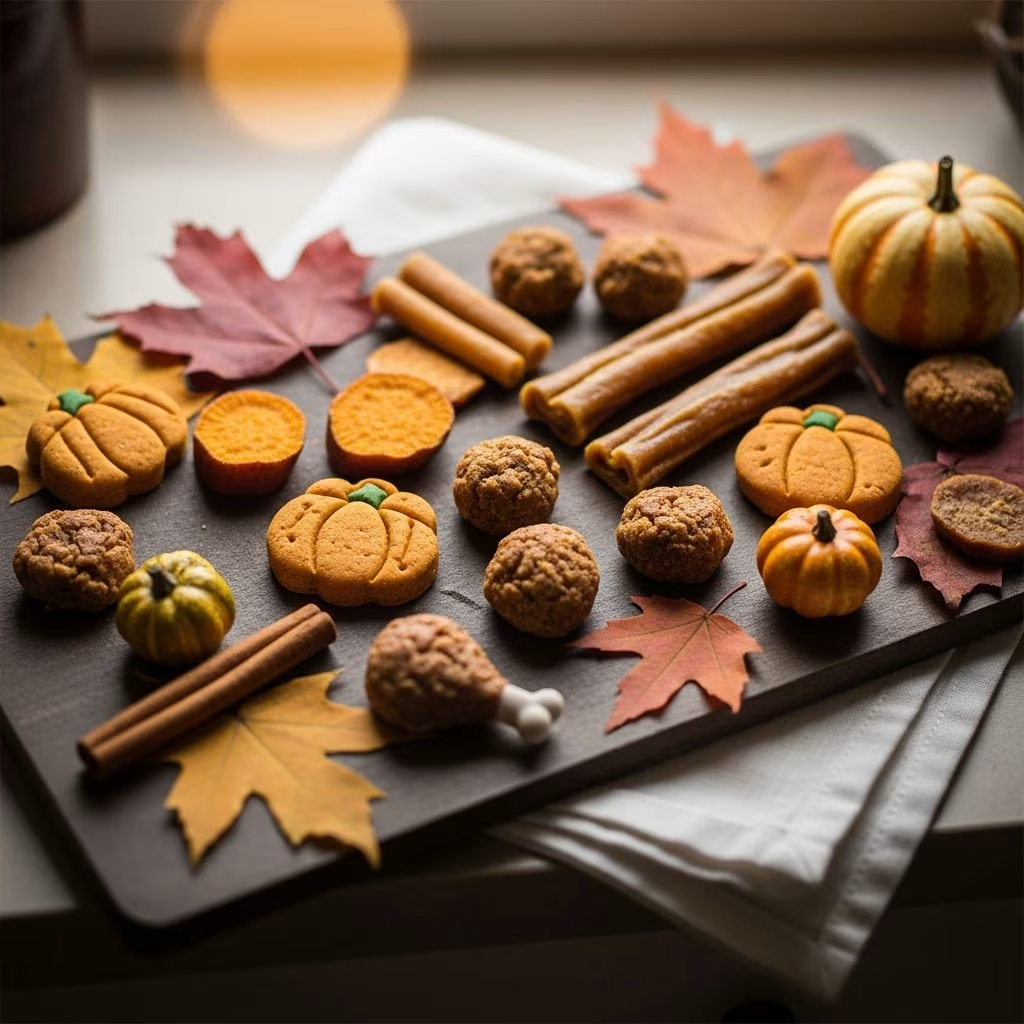
Including your dog in Thanksgiving celebrations can create joyful family moments, but pet health must come first. Many traditional dishes contain ingredients harmful to canines, so knowing what to offer and what to withhold is essential for preventing digestive issues, toxicity, or emergencies.
Planning a Pet-Friendly Holiday Menu
Start by preparing dog-safe portions separately before adding seasonings or rich toppings to human servings. This approach ensures your dog gets plain, nutritious bites without exposure to risks. Focus on lean proteins and vegetables that align with a dog’s dietary needs, providing fiber, vitamins, and protein without excess fat or sugars.
Portion control is key—treats should not exceed 10% of daily calories to avoid obesity or stomach upset. For a 25-pound dog, limit extras to about 100-200 calories total, depending on activity level. Monitor for allergies; introduce new foods gradually and watch for itching, vomiting, or diarrhea.
Top Safe Foods to Share with Your Dog
Several Thanksgiving staples can be adapted for dogs when served plainly. Here’s a breakdown of the best options, supported by veterinary recommendations.
- Plain Turkey Meat: Lean, boneless white meat turkey provides high-quality protein. Boil or bake without skin, fat, salt, garlic, or onions. A small 25-pound dog can safely have 40 grams of white meat. Avoid dark meat if fat sensitivity is a concern, as it may trigger pancreatitis.
- Sweet Potatoes: Rich in fiber, vitamins A, B6, C, and beta-carotene, these are excellent for digestion. Serve cooked, peeled, and plain—no marshmallows, butter, or sugar. Bake, boil, or mash for a treat.
- Green Beans: Low-calorie and packed with fiber, manganese, vitamins C and K. Steam or serve raw without butter or seasonings for a crunchy snack.
- Pumpkin: Pure canned or cooked plain pumpkin aids digestion, easing constipation or loose stools. Skip pie filling with spices or sugar.
- Carrots: Crunchy, low-calorie source of vitamins. Raw or steamed sticks are ideal; no butter or salt.
- Apples: Sliced without core or seeds offer vitamins A, C, and fiber. Avoid large quantities due to seed toxicity risks.
- Cranberries: Fresh or chopped provide antioxidants and urinary health benefits. Skip sauce due to sugar; ensure no raisins.
- Plain Mashed Potatoes: Safe in moderation if no butter, milk, cheese, or onions. Set aside a plain portion early.
| Food | Preparation Tips | Benefits | Portion Example (25 lb Dog) |
|---|---|---|---|
| Turkey (White Meat) | Boneless, skinless, boiled, unseasoned | Lean protein | 40g |
| Sweet Potatoes | Cooked, peeled, plain | Fiber, vitamins A/C | 2-3 tbsp mashed |
| Green Beans | Steamed, plain | Fiber, vitamins C/K | 1/4 cup |
| Pumpkin | Pure canned, plain | Digestive aid | 1-2 tbsp |
| Carrots | Raw sticks or steamed | Low-cal crunch | 1 small carrot |
Foods That Pose Serious Risks
Not all holiday favorites are benign. Common ingredients can cause poisoning, blockages, or pancreatitis. Always err on the side of caution.
- Bones: Turkey, chicken, or any cooked bones splinter, risking choking, throat punctures, or intestinal tears.
- Onions and Garlic: Toxic even in small amounts, damaging red blood cells and causing anemia. Found in stuffing, gravy, and sauces.
- Grapes and Raisins: In salads or sauces, these lead to kidney failure.
- Chocolate and Sweets: Theobromine in chocolate is poisonous; xylitol in sugar-free items causes hypoglycemia. Pies, cookies, and candy are off-limits.
- Fatty Foods and Skin: Turkey skin, gravy, or rich casseroles trigger pancreatitis.
- Alcohol and Yeast Dough: Ethanol and rising dough cause intoxication or bloat.
- Spices and Dairy: Nutmeg, pepper, or cream upset stomachs; lactose intolerance affects many dogs.
Smart Strategies for Mealtime Safety
Beyond food choices, holiday logistics matter. Keep trash secure to prevent scavenging, which leads to 20% of pet ER visits during holidays from ingested bones or toxics.
- Designate a quiet space away from the kitchen during prep and eating.
- Use puzzle toys filled with safe purees like pumpkin to distract and engage.
- Exercise beforehand to curb begging and burn excitement energy.
- Have vet contact info ready; symptoms like vomiting warrant immediate calls.
For multi-pet homes, note cats share many risks, like onions and chocolate, but tolerate some dairy better.
Nutritional Boosts from Holiday Shares
Safe shares enhance your dog’s diet. Turkey supports muscle health; veggies add antioxidants combating inflammation. Pumpkin’s fiber regulates bowels, ideal for stress-induced issues during gatherings. Balance with regular kibble—consult a vet for personalized plans, especially for seniors or pups with conditions like diabetes.
Recipe Ideas for Doggy Delights
Create custom treats using safe ingredients for extra fun.
Turkey and Sweet Potato Bites
Ingredients: 1 cup boiled turkey, 1/2 cup mashed sweet potato, 1/4 cup green beans (chopped).
Instructions: Mix, form balls, bake at 350°F for 15 mins. Cool before serving. Yields 10-15 treats[Inspired by ].
Pumpkin Carrot Chews
Blend 1/2 cup pumpkin, 2 carrots (grated), freeze in ice cube trays. Thaw partially for chews.
These homemade options avoid commercial additives, ensuring purity.
Common Myths Busted
Myth: A little gravy won’t hurt. Reality: Fat and seasonings overload the pancreas.
Myth: Raw veggies are always best. Reality: Cooking improves digestibility for most.
Myth: All poultry is equal. Reality: Turkey allergies exist; test small amounts.
FAQs
Can dogs have cranberry sauce?
No—high sugar harms teeth and pancreas. Stick to plain cranberries.
Is ham safe for dogs at Thanksgiving?
Avoid; high salt and fat cause thirst, vomiting, or salt poisoning.
What if my dog sneaks a forbidden food?
Watch for symptoms 4-24 hours; induce vomiting only if vet-approved, as some toxics worsen with it.
How much plain turkey is too much?
Limit to 10% daily intake; excess protein strains kidneys in some dogs.
Are store-bought turkey treats okay?
Choose plain, low-fat options without onion/garlic; read labels.
Long-Term Holiday Habits
Thanksgiving sets the tone for year-round mindful feeding. Teach “leave it” cues, use slow feeders, and annual vet checkups catch sensitivities early. Enrich life with varied safe foods, fostering a healthier, happier bond.
By prioritizing these guidelines, your dog joins festivities risk-free, turning the holiday into a tradition of shared joy.
References
- What Can My Dog Eat at Thanksgiving? — Dogs Inc. 2023. https://dogsinc.org/blog/ask-the-vet/what-can-my-dog-eat-at-thanksgiving/
- Thanksgiving Foods Dogs Can—and Cannot—Eat — PetMD. 2023. https://www.petmd.com/dog/general-health/thanksgiving-foods-for-dogs
- Safe and Dangerous Thanksgiving Foods for Dogs and Cats — Benson’s Pet. 2023. https://www.bensonspet.com/expert-advice/safe-thanksgiving-foods-for-dog-and-cats/
- Which Thanksgiving Foods Can I Give My Dog? — American Kennel Club. 2023. https://www.akc.org/expert-advice/nutrition/thanksgiving-foods-for-dogs/
- Thanksgiving Foods Your Dog Can & Can’t Have — The Ridge Vet. 2023. https://theridgevet.com/articles/thanksgiving-foods-your-dog-can-and-cant-eat



