Dog-Safe Plants: 15 Best Indoor, Outdoor, And Herb Picks
Discover non-toxic plants that enhance your home and yard without risking your dog's health—perfect for pet parents seeking beauty and safety.
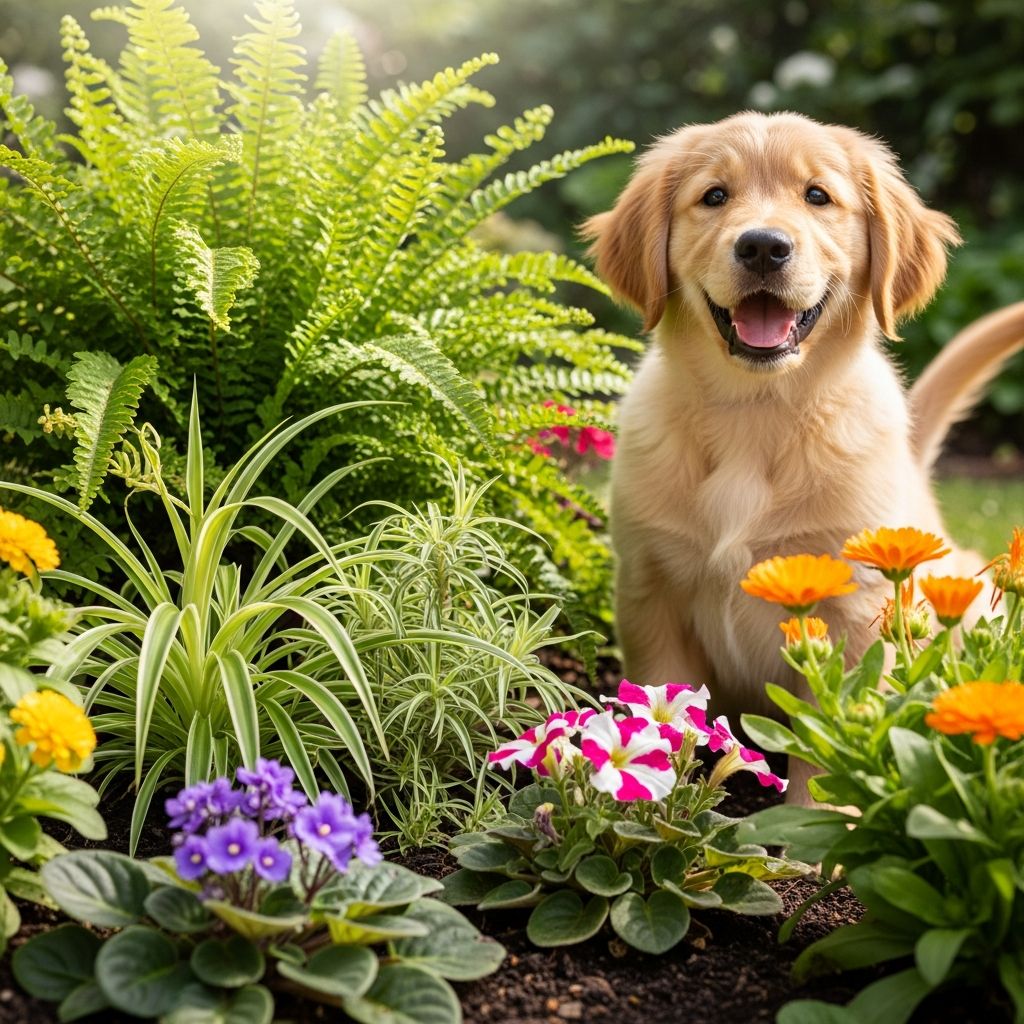
Dog-Safe Plants Guide: Beautiful Greenery Without the Worry
Pet owners often face a dilemma when decorating their living spaces or gardens: how to incorporate vibrant plants while ensuring their dogs stay safe. Many common houseplants and garden favorites pose serious risks, causing everything from mild stomach upset to life-threatening toxicity. Fortunately, numerous options exist that are confirmed non-toxic to dogs, allowing you to enjoy lush greenery indoors and out without constant vigilance. This guide draws from authoritative sources like the ASPCA’s plant toxicity list and veterinary recommendations to highlight safe choices, their care needs, and benefits for both you and your pup.
Why Choose Dog-Safe Plants?
Dogs are natural explorers, prone to sniffing, chewing, and even nibbling on foliage. Ingesting toxic plants can lead to vomiting, diarrhea, lethargy, or worse, requiring emergency vet care. Opting for non-toxic varieties reduces these risks significantly. Beyond safety, many dog-safe plants offer additional perks: they purify indoor air, attract pollinators to your yard, provide sensory stimulation for curious canines, and even serve culinary uses. According to the ASPCA, plants like African violets and spider plants top the list of worry-free options for dog households. Primary veterinary resources emphasize that while no plant is entirely chew-proof, selecting verified safe species minimizes health hazards.
Top Indoor Dog-Safe Plants
Indoor plants bring life to apartments and homes but must withstand playful paws and inquisitive noses. These selections thrive in low to bright indirect light, making them ideal for typical home settings.
- African Violet: These compact beauties bloom in shades of purple, pink, and white year-round. They prefer bright, indirect light and well-draining soil. Low-maintenance and non-toxic, they’re perfect for shelves or tabletops where dogs might brush by.
- Spider Plant: Known for their arching green-and-white leaves and plantlets, spider plants excel in hanging baskets. They tolerate a wide range of light and remove airborne toxins like formaldehyde. Safe even if pups munch the dangling offshoots.
- Areca Palm: This feathery palm adds a tropical vibe, filtering air effectively. It needs moderate light and consistent moisture. ASPCA confirms its safety for dogs, though large quantities might cause mild tummy upset.
- Prayer Plant: With patterned oval leaves that fold at night, this plant thrives in low light and humid spots like bathrooms. It’s an air purifier and completely harmless to dogs.
- Bird’s Nest Fern: Its ruffled fronds suit shaded corners. Keep soil evenly moist; it’s resilient and safe for indoor dog zones.
These plants not only beautify but also improve air quality, as noted in studies on common houseplants’ pollutant-absorbing abilities from reliable horticultural sources.
Outdoor Garden Plants Safe for Dogs
Yards and patios become playgrounds for dogs, so hardy, non-toxic perennials and shrubs are essential. Focus on sun-loving or shade-tolerant varieties that withstand romping.
| Plant Name | Light Needs | Key Features | Dog Benefits |
|---|---|---|---|
| Rosemary | Full sun | Evergreen herb, aromatic | Safe to sniff; culinary use |
| Sunflower | Full sun | Tall annuals, bird-attracting seeds | Fun to play near; non-toxic |
| Fennel | Full sun | Feathery foliage, licorice scent | Edible bulb for humans |
| Coral Bells | Part shade | Colorful leaves, tiny flowers | Low-growing, durable |
| Fuchsias | Part shade | Hanging blooms, long-lasting | Elegant for borders |
Rosemary’s trailing varieties cover ground effectively, releasing pleasant scents when dogs trot through. Sunflowers provide summer cheer and fall birdwatching entertainment. These choices, vetted by pet safety lists, ensure your garden remains a safe haven.
Flowering and Herb Options for Dual Use
Combine aesthetics with functionality using flowering herbs and blooms that are safe and useful. Many double as kitchen staples.
- Basil: Fragrant leaves for pesto; grows well in pots. Dogs can safely ignore or brush against it.
- Pineapple Sage: Pink flowers lure hummingbirds; pineapple-scented foliage. Treat as annual in cooler climates.
- Marigold: Bright orange/yellow petals deter pests naturally. Calendula varieties are especially pet-safe.
- African Daisy: Daisy-like flowers in vivid hues; drought-tolerant once established.
- Polka Dot Plant: Spotted pink leaves for shade; perennial in warmth.
Herbs like these enrich gardens while offering harvestable parts for meals, all without toxicity concerns per ASPCA guidelines.
Care Essentials for Dog-Safe Greenery
Success with these plants hinges on proper care, especially in dog-heavy areas. Water consistently but avoid sogginess to prevent root rot. Use pet-safe fertilizers sparingly. Elevate pots or choose ground covers to deter digging. Prune regularly to maintain shape and remove any damaged leaves that might tempt chewing. For outdoors, mulch around bases to suppress weeds without chemicals. Monitor for pests organically, as dogs may ingest fallen debris.
Potential Risks and Precautions
Even safe plants can cause mechanical issues: thorns, sap irritation, or large ingestions leading to blockages. Watch for vomiting after heavy nibbling, and consult a vet if symptoms persist. The ASPCA stresses that ‘non-toxic’ means no poisoning but not always zero gastrointestinal effects. Keep toxic plants like lilies or sago palms far away. Introduce new plants gradually to observe reactions.
Creating a Pet-Friendly Landscape
Design zones: dog play areas with tough grass or mulch, surrounded by safe borders of rosemary or coral bells. Mix heights for visual interest—palms for backdrop, ferns for understory. Indoor setups benefit from hanging or high shelves. Companion planting with marigolds repels bugs naturally. This approach fosters a harmonious space where dogs roam freely amid thriving flora.
FAQs
Are spider plants really safe for dogs?
Yes, spider plants are non-toxic per ASPCA and multiple vet sources, though excessive eating may cause mild upset.
Can dogs eat rosemary leaves?
In small amounts, yes—rosemary is safe and even used in some dog treats, but moderation prevents tummy issues.
What palms are okay around dogs?
Areca, bamboo, and parlor palms are confirmed safe; avoid sago palms, which are highly toxic.
Do dog-safe plants need special soil?
Standard potting mix works; ensure good drainage to mimic natural conditions.
How do I stop my dog from destroying plants?
Train with redirects, use bitter sprays on pots, and provide chew toys as alternatives.
References
- Toxic and Non-Toxic Plant List — Dogs — ASPCA. 2023. https://www.aspca.org/pet-care/animal-poison-control/dogs-plant-list
- Garden Plants Safe for Pets — Bachman’s. 2024-01-15. https://www.bachmans.com/information/resource-hub/pet-safe-landscape-plants
- Non-Toxic Plants For Pets (an A-Z guide) — Animal Emergency Service. 2023-05-10. https://animalemergencyservice.com.au/blog/non-toxic-plants-for-pets/
- 15 Dog-Safe Plants You Can Add to Your Garden Right Now — Rover.com. 2024. https://www.rover.com/blog/10-safe-plants-dogs-can-add-almost-garden-right-now/
- The Ultimate List of Dog Friendly Plants — Pure Pet Food. 2023-11-20. https://www.purepetfood.com/blog/the-ultimate-list-of-dog-friendly-plants
Similar Articles








Read full bio of medha deb