

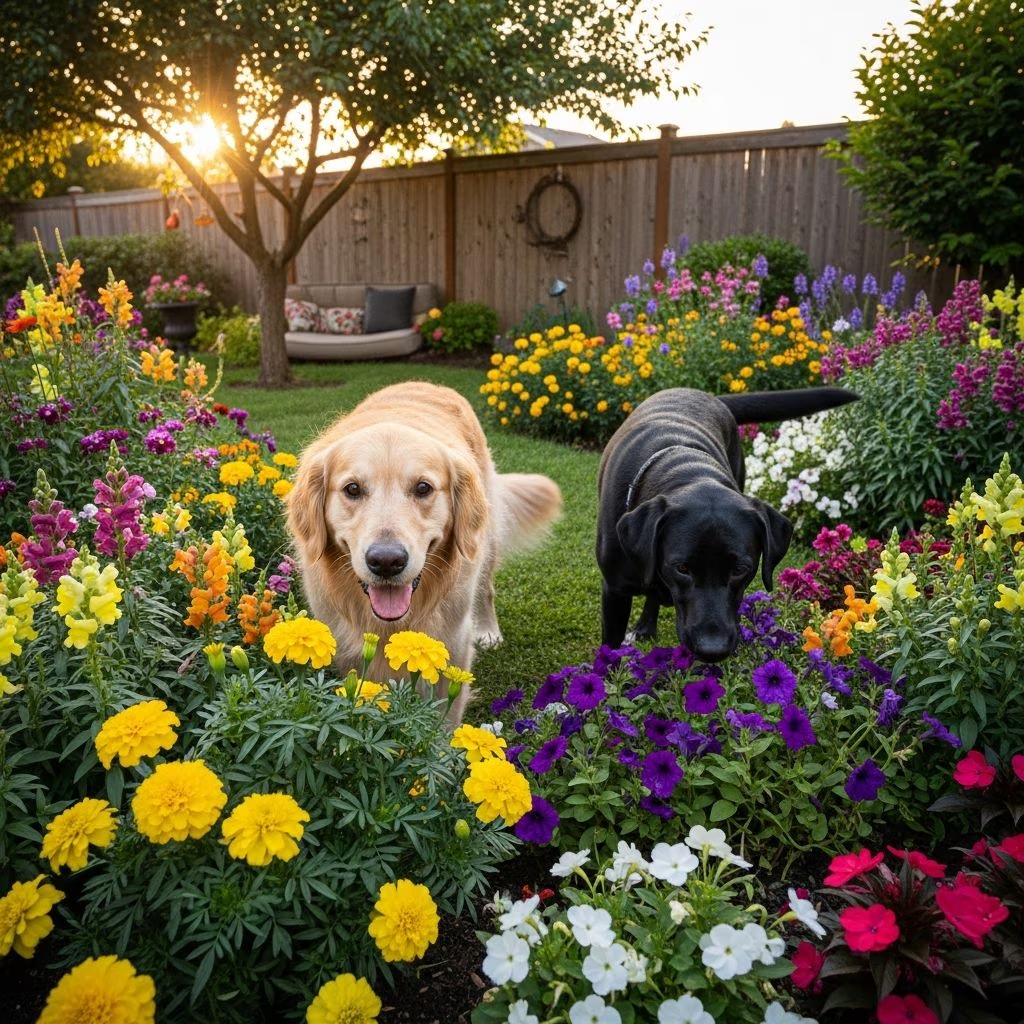
Creating a visually appealing living space often involves incorporating fresh flowers and flowering plants into your home décor and garden landscape. However, pet owners face a unique challenge: balancing aesthetic preferences with the safety and well-being of their canine companions. Many commonly cultivated flowers contain compounds that can trigger adverse health reactions in dogs, ranging from mild gastrointestinal upset to severe systemic toxicity. Understanding which floral varieties pose risks and which can be safely introduced into your environment is essential for responsible pet ownership.
Understanding Toxicity in Canine Companions
Dogs explore their surroundings through multiple sensory pathways, and their natural curiosity can lead them to nibble, chew, or ingest flowers and plants. Unlike humans, who typically avoid eating ornamental flowers, dogs lack the same discriminatory instincts and may consume plant material out of boredom, stress, or simple investigative behavior. Additionally, certain plant compounds that humans can safely consume may trigger toxic reactions in canine physiology.
The toxicity level varies considerably among different flower species. Some blooms cause only mild symptoms such as mouth irritation or temporary digestive discomfort, while others contain alkaloids, glycosides, or saponins that can cause serious organ damage. Severity also depends on the quantity consumed, the dog’s size and age, and individual sensitivity factors. Puppies, senior dogs, and those with pre-existing health conditions may experience more pronounced reactions to the same exposure.
When a dog ingests a potentially toxic flower, symptoms may appear within minutes or gradually over several hours. Common indicators include vomiting, diarrhea, drooling, loss of appetite, lethargy, tremors, or behavioral changes. If you suspect your dog has consumed a toxic plant, contact your veterinarian or an animal poison control center immediately rather than waiting to see if symptoms develop.
Popular Flowering Options That Pose Risks
Certain flowers that appear in many homes and gardens present genuine hazards to canine health. These widely available varieties are often selected for their visual appeal or extended blooming seasons, but they warrant careful handling in pet-containing households.
- Lilies — These elegant flowers, particularly varieties like Asiatic, Oriental, and Stargazer lilies, contain compounds that can cause acute kidney failure in dogs. Even small ingestions or pollen exposure may trigger severe reactions.
- Tulips and Daffodils — Spring-blooming bulb flowers contain toxic alkaloids concentrated primarily in the bulb but present throughout the entire plant structure. Ingestion can cause gastrointestinal inflammation and cardiac complications.
- Azaleas — These popular ornamental shrubs with vibrant blooms contain grayanotoxins that disrupt cellular function and can cause significant digestive and cardiovascular issues.
- Chrysanthemums — Garden favorites and common floral arrangement components contain pyrethrins, compounds that affect the nervous system and digestive tract.
- Iris — These striking flowers produce substances that irritate the gastrointestinal system and can cause significant discomfort if consumed.
- Poinsettias — Though less toxic than many alternatives, these popular holiday decorations can still cause mouth and stomach irritation in curious canines.
- Oleander — All parts of this Mediterranean shrub are highly toxic, containing cardiac glycosides that can cause irregular heartbeat and severe gastrointestinal upset.
- Wisteria — These climbing vines produce seed pods and flowers containing compounds that cause gastrointestinal distress and neurological symptoms.
Safe and Beautiful Floral Alternatives
The encouraging reality is that numerous flowering plants and cut flowers are completely safe for dogs and can be incorporated throughout your living spaces without concern. These non-toxic options provide diverse color palettes, bloom times, and growing requirements, allowing you to maintain an attractive environment while prioritizing your pet’s safety.
| Flower Type | Characteristics | Best Uses | Bloom Season |
|---|---|---|---|
| Roses | Classic blooms in multiple colors; thorny stems require careful handling | Cut arrangements, garden beds, containers | Spring through fall |
| Orchids | Exotic appearance; wide variety of species and colors; long-lasting blooms | Indoor displays, cut arrangements, containers | Year-round depending on variety |
| Sunflowers | Large, cheerful blooms; tall growth habit; attracts pollinators | Cut arrangements, garden borders, containers | Summer through early fall |
| Petunias | Trumpet-shaped flowers; varied color options; prolific blooming | Garden beds, containers, hanging baskets | Late spring through frost |
| Zinnias | Vibrant colors; daisy-like structure; drought tolerant once established | Garden beds, cut arrangements, containers | Summer through fall |
| Pansies | Cool-season bloomers; distinctive faces; shade tolerant | Garden beds, containers, borders | Fall through spring |
| Snapdragons | Tall spikes with densely-packed blooms; multiple color varieties | Garden beds, cut arrangements, borders | Spring and fall |
| Asters | Daisy-like flowers; late-season bloomers; pollinator favorites | Garden beds, cut arrangements, borders | Fall |
Seasonal Selections for Dog-Friendly Gardens
Planning your garden or floral displays around seasonal blooming cycles allows you to maintain continuous color and variety while keeping toxic species out of your landscape. Each season offers distinct non-toxic options that thrive under different environmental conditions.
Spring Flowering Varieties
As temperatures warm and gardens awaken from winter dormancy, several dog-safe options emerge. Snapdragons, pot marigolds, roses, garden pansies, Madagascar jasmine, stock flowers, and freesias all bloom during spring months. These varieties offer a transition from cool-season bloomers to summer-flowering perennials and annuals. Spring is an excellent time to establish beds of perennial favorites that will return year after year.
Summer and Fall Selections
Longer daylight and warmer temperatures support the growth of additional dog-safe varieties. Zinnias, cosmos, echinacea (coneflower), and gerbera daisies provide prolific blooms throughout summer and into early fall. Cosmos, with their feathery foliage and soft pink, white, and red blooms, thrive in sunny locations and attract hummingbirds and butterflies. Echinacea, a native North American wildflower, produces sturdy stems topped with daisy-like pink or purple blooms and serves multiple purposes as a garden ornament and component in herbal preparations.
Incorporating Dog-Safe Flowers Into Your Living Spaces
Beyond outdoor gardens, fresh flowers brighten indoor environments. When selecting cut flowers for arrangements displayed in your home, prioritizing non-toxic varieties protects your dog from accidental ingestion, particularly for dogs with strong prey drives or those prone to chewing household items.
Roses, orchids, sunflowers, snapdragons, gerbera daisies, petunias, sword ferns, and zinnias all make excellent cut flower choices. These varieties maintain their appearance in water for extended periods and remain readily available through florists and garden centers. When arranging cut flowers, consider your dog’s size and jumping capability when placing arrangements on tables or shelves. Lower placements increase accessibility but may be more practical if your dog respects household boundaries.
Many florists and plant retailers now recognize the pet-owner market and offer pet-safe arrangement options. Communicating your safety requirements when ordering arrangements ensures that filler flowers and secondary blooms meet your standards. This approach eliminates the uncertainty of receiving arrangements containing toxic components like certain types of filler greenery or secondary flowers.
African Violets and Other Indoor Flowering Plants
Indoor flowering plants provide consistent aesthetic appeal without seasonal limitations. African violets represent one of the most popular non-toxic indoor flowering options. These compact plants produce delicate flowers in various colors and adapt well to indoor light conditions. Their shallow root systems make them suitable for container growing on windowsills or plant stands.
Beyond African violets, orchids excel as indoor flowering plants, offering exotic appeal and remarkable longevity. Individual orchid blooms persist for weeks or even months, providing lasting visual interest. The extensive variety of orchid species and hybrids available through nurseries and specialty retailers means virtually any color preference or aesthetic goal can be achieved.
Creating a Comprehensive Pet-Safe Garden Strategy
Developing a truly dog-safe landscape requires thinking beyond individual plant selection to consider overall garden structure, accessibility, and maintenance practices. A comprehensive approach addresses multiple factors affecting your dog’s safety.
Site Planning and Layout
Design garden beds and containers in locations where your dog naturally spends time. This approach allows you to focus your non-toxic plant selections on high-visibility areas while managing toxic species in portions of the landscape your dog rarely visits. If your dog has favorite resting spots or frequently traveled pathways, ensure these areas contain only safe plant material.
Container and Raised Bed Considerations
Container gardening offers distinct advantages for pet owners. Elevated planters and hanging baskets reduce your dog’s ability to access plant material, and containers allow you to easily control soil quality and growing conditions. Window boxes and high shelves keep flowers beyond your dog’s reach while maintaining their aesthetic impact. This strategy works particularly well for managing less toxic but potentially problematic plants that you still wish to cultivate.
Maintenance and Monitoring Practices
Regular garden maintenance prevents situations where fallen flowers, dropped petals, or scattered plant parts become accessible to curious dogs. Remove dead blooms promptly and dispose of them securely. When pruning or deadheading, collect clippings immediately rather than leaving them scattered on garden paths. This practice eliminates opportunities for incidental ingestion and maintains a tidy, well-managed appearance.
Frequently Asked Questions About Dog-Safe Flowers
Are all parts of safe flowers actually non-toxic?
While flowers themselves may be non-toxic, certain plant parts may pose greater risks than others. For instance, while rose blooms are safe, thorns can cause puncture wounds and mechanical injury. Always assess the entire plant structure, not just the visible flower.
Can my dog safely eat dog-safe flowers?
Non-toxic does not mean nutritious or digestible. While safe flowers won’t poison your dog, consuming plant material may still cause mild gastrointestinal upset. Discourage your dog from eating flowers, even safe varieties.
How do I know if my dog has consumed a toxic flower?
Symptoms vary based on the toxin and quantity consumed. Contact your veterinarian or animal poison control immediately if you suspect ingestion. Provide information about the specific flower type and quantity if possible.
Are there toxic flowers that look similar to safe varieties?
Yes, some toxic and non-toxic species share similar appearances. Daffodils and narcissus resemble some non-toxic spring bloomers. If uncertain about a specific plant’s identity or safety, err on the side of caution and keep it away from your dog.
Can I use pesticides or fertilizers on dog-safe flowers?
Even non-toxic flowers become potentially hazardous when treated with certain chemicals. Use pet-safe gardening products, or avoid chemical applications in areas where your dog has access. Organic and natural alternatives often work well and reduce chemical residue on plants.
Making Informed Choices for Your Dog’s Safety
Maintaining a beautiful home and garden while keeping your dog safe is entirely achievable through informed plant selection and thoughtful landscape design. The extensive availability of non-toxic flowering options means you never have to compromise on aesthetics for safety. By understanding which flowers pose genuine risks and which offer safe, beautiful alternatives, you can create an environment where both you and your canine companion thrive.
When in doubt about any plant’s safety, consult reliable resources or your veterinarian before introducing it into your home or garden. This proactive approach prevents unfortunate incidents and ensures your flower-filled spaces remain joyful additions to your pet’s life rather than potential hazards.
References
- Pet-Safe Flowers: Non-Toxic for Cats & Dogs — Bouqs Blog. Accessed March 2026. https://bouqs.com/blog/heres-a-list-of-non-toxic-flowers-that-are-safe-for-your-furry-friend/
- 20 Dog-Safe Flowers for Your Home and Garden — Rover.com. Accessed March 2026. https://www.rover.com/blog/safe-flowers-for-dogs/
- Pet Safety in Bloom: Which Flowers Are Dangerous for Pets? — DoveLewis Emergency Animal Hospital. Accessed March 2026. https://www.dovelewis.org/blog/pet-safety-bloom-which-flowers-are-dangerous-pets
- Beautiful Pet-Safe Flowers for Your Garden and Home — Preventive Vet. Accessed March 2026. https://www.preventivevet.com/pets/beautiful-pet-safe-flowers-for-home-and-garden
- The Ultimate List of Dog Friendly Plants — Pure Pet Food. Accessed March 2026. https://www.purepetfood.com/blog/the-ultimate-list-of-dog-friendly-plants
- Toxic and Non-Toxic Plant List — Dogs — ASPCA Animal Poison Control Center. Accessed March 2026. https://www.aspca.org/pet-care/animal-poison-control/dogs-plant-list



