Dog Runny Nose Guide
Learn when a dog's runny nose is harmless and when it signals serious health issues needing vet care.
Dog Runny Nose Guide: Causes, Signs, and Solutions
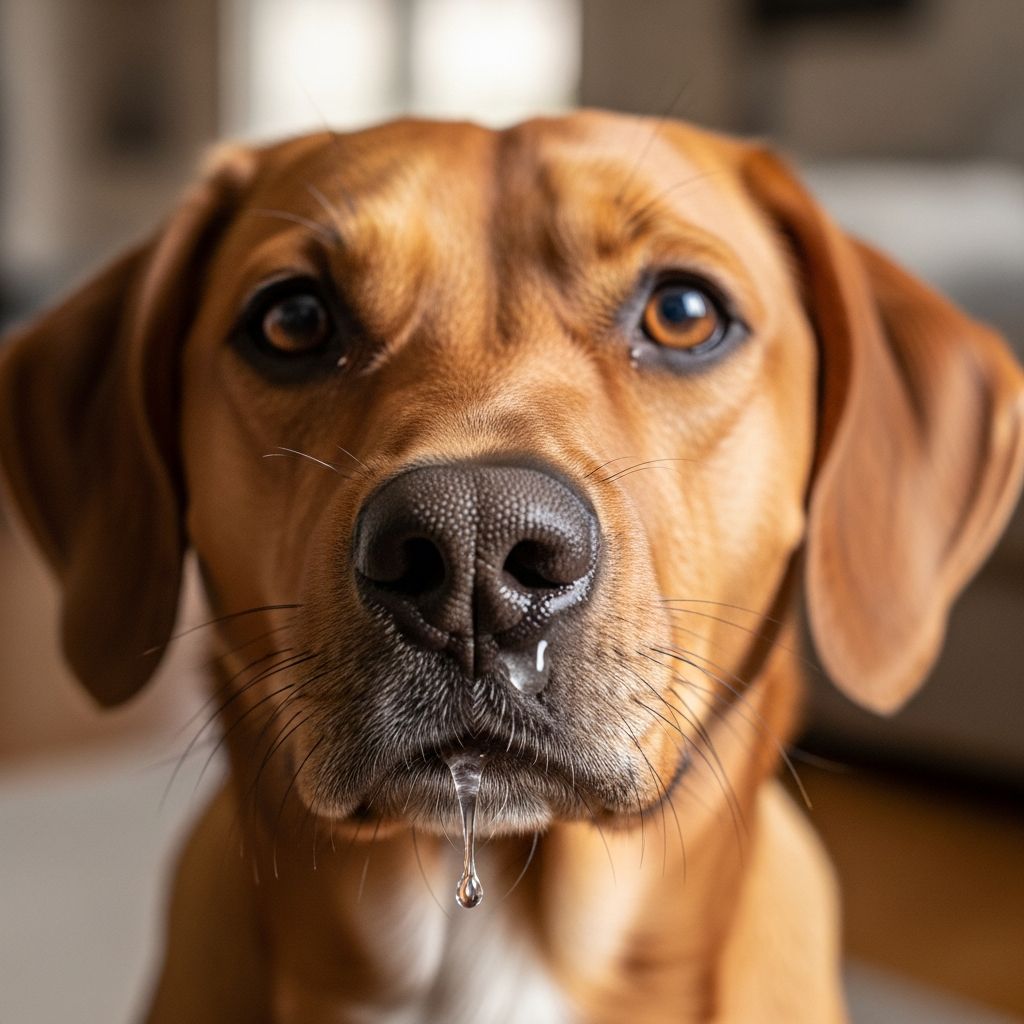
A runny nose in dogs, known medically as nasal discharge, can range from a minor annoyance to a symptom of a grave condition. Pet owners often notice clear fluid, mucus, or pus emerging from one or both nostrils. While occasional drips might stem from excitement or cooling mechanisms, persistent or unusual discharge warrants attention. Dogs pant and rely on nasal evaporation for temperature regulation, but abnormal flows indicate underlying problems like allergies, infections, or structural issues.
Common Triggers for Nasal Discharge in Canines
Understanding the root causes helps determine if home care suffices or professional intervention is needed. Environmental factors top the list for benign cases.
Environmental Allergens and Irritants
Dogs frequently develop nasal symptoms from pollen, dust mites, mold, or grass during peak seasons. These provoke clear, watery discharge alongside sneezing, itchy skin, red eyes, or paw licking. Household irritants such as smoke, perfumes, cleaning products, or air fresheners can similarly inflame nasal passages, leading to temporary dripping and coughing.
- Seasonal patterns: Symptoms intensify in spring or fall with high pollen counts.
- Indoor triggers: Dust accumulation or chemical fumes from recent cleaning.
- Management tips: Wipe paws after walks, use air purifiers, and avoid scented products.
Respiratory Infections
Viral and bacterial assaults on the upper airways cause the bulk of infectious runny noses. Kennel cough, sparked by Bordetella bronchiseptica or viruses, produces a honking cough with thick, possibly yellow-green mucus. Canine influenza and distemper follow suit, often with fever, lethargy, and appetite loss. Unvaccinated dogs face higher risks in group settings like parks or kennels.
Secondary bacterial overgrowth complicates viral cases, thickening discharge and prolonging illness. Supportive care like rest and humidity aids recovery in mild instances, but antibiotics target bacterial components.
When Nasal Discharge Demands Immediate Attention
Not all runny noses resolve naturally. Certain characteristics signal urgency.
| Discharge Type | Possible Cause | Action Needed |
|---|---|---|
| Clear and thin | Allergies, irritants | Monitor; environmental changes |
| Thick yellow/green | Bacterial infection | Vet visit for antibiotics |
| Bloody or one-sided | Foreign body, tumor, clotting issue | Immediate vet exam |
| Pus-like with odor | Fungal infection, abscess | Diagnostic tests required |
Bloody discharge hints at trauma, toxins like rodenticides disrupting clotting, or nasal tumors. One-sided flow often points to foreign objects like grass seeds lodged in a nostril. Accompanying signs—difficulty breathing, facial swelling, weight loss, or neurological changes—escalate concern.
Less Frequent but Critical Causes
Parasites and Structural Abnormalities
Nasal mites, tiny parasites residing in sinuses, induce sneezing and bloody mucus. Visible via endoscopy, they respond to antiparasitic drugs. Congenital defects like cleft palates allow food or milk to enter nasal cavities, causing chronic discharge from birth. Dental problems, including root abscesses or fistulas, permit oral bacteria to invade nasal spaces, yielding foul-smelling pus.
Toxins and Systemic Diseases
Rodenticide ingestion impairs blood coagulation, resulting in spontaneous nosebleeds. Tick-borne illnesses or autoimmune disorders similarly provoke bleeding. Fungal infections, prevalent in dusty regions, produce chronic, odorous discharge treatable with prolonged antifungals.
Diagnostic Approaches by Veterinarians
Vets initiate with a detailed history: symptom onset, discharge traits, recent exposures, vaccination status, and travel. Physical exams scrutinize nostrils for asymmetry, ulcers, or masses, alongside oral and lymph node checks. Temperature, hydration, and lung sounds provide systemic clues.
Advanced diagnostics include:
- Imaging: X-rays or CT scans detect tumors, foreign bodies, or dental roots.
- Rhinoscopy: Scoped visualization of nasal passages for biopsies or extractions.
- Cultures/Smears: Identify bacteria, fungi, or mites.
- Bloodwork: Rules out clotting defects or infections.
Allergy testing via skin or blood assays guides desensitization if environmental triggers dominate.
Treatment Strategies Tailored to the Cause
Therapy hinges on diagnosis. Benign cases benefit from:
- Humidifiers or steam from hot showers to loosen mucus.
- Saline nasal rinses (vet-approved).
- Dietary hypoallergenic trials for food sensitivities.
Medical interventions encompass:
| Condition | Treatments |
|---|---|
| Infections | Antibiotics, antivirals, cough suppressants |
| Allergies | Antihistamines, steroids, immunotherapy |
| Foreign Bodies | Sedated removal, flushing |
| Dental Issues | Extractions, oral surgery |
| Parasites | Ivermectin or milbemycin |
Hospitalization with IV fluids supports severely ill dogs. Surgical tumor debulking or palate repair addresses anomalies.
Preventive Measures for Nasal Health
Proactive steps minimize risks:
- Vaccinations: Core shots against distemper, parainfluenza; Bordetella for social dogs.
- Allergy Control: Regular bathing, hypoallergenic bedding, pollen-free walks.
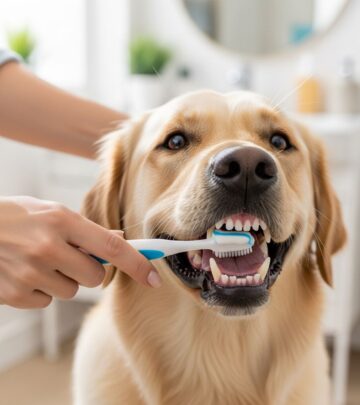
- Dental Hygiene: Brushing, dental chews, annual cleanings.
- Toxin Avoidance: Secure rodenticides, tick preventives.
- Environment: Smoke-free homes, gentle cleaners.
Annual wellness exams catch subclinical issues early.
Home Monitoring and Red Flags
Track duration—beyond 48 hours merits a call. Note progression: worsening color, volume, or new symptoms like gagging or head shaking. Isolate contagious cases to protect others. Over-the-counter remedies risk masking issues or causing harm; consult vets first.
Frequently Asked Questions (FAQs)
Is a runny nose normal in dogs?
Occasional clear discharge during play or heat is typical, but persistent or colored flows are not.
Can I treat my dog’s runny nose at home?
Humidity and irritant removal help mild cases, but diagnostics ensure safety.
How long before seeing a vet for dog nasal discharge?
Seek care if over 2-3 days, bloody, one-sided, or with systemic signs.
Does kennel cough cause runny noses?
Yes, often with cough; vaccination prevents most outbreaks.
Are dog allergies seasonal?
Many are, but year-round from dust or food.
Long-Term Management for Chronic Cases
Dogs with recurrent discharge may need ongoing antihistamines, special diets, or immunotherapy injections. Monitor weight, energy, and coat for holistic health. Breeds like Bulldogs or Pugs, prone to respiratory woes due to brachycephalic faces, require extra vigilance.
Integrate lifestyle tweaks: omega-3 supplements for inflammation, probiotics for gut-nasal axis balance. Collaborate with vets for personalized plans, potentially involving specialists in internal medicine or oncology if neoplasia suspected.
References
- Runny Nose in Dogs: Causes, Treatments, and More — Bond Vet. 2023. https://bondvet.com/blog/runny-nose-in-dogs
- Understanding & Treating Runny Noses in Dogs — Best Friends Vet. 2024. https://bestfriendsvet.org/blog/dog-runny-noses/
- What to Do When Your Dog Has a Runny Nose — Lane Veterinary. 2023. https://lanevet.com/blog/dog-has-a-runny-nose/
- Dog Runny Nose: Possible Causes for a Runny Nose — Providence Vet Hospital. 2024. https://providencevethospital.com/blog/dog-runny-nose/
- Why Is My Dog’s Nose Runny? Causes and Treatment — GoodRx. 2025-03-15. https://www.goodrx.com/pet-health/dog/runny-nose
- Dog Runny Nose (Nasal Discharge): Causes and Treatments — WebMD. 2024. https://www.webmd.com/pets/dogs/my-dog-has-discharge-from-nose
Similar Articles








Read full bio of medha deb