

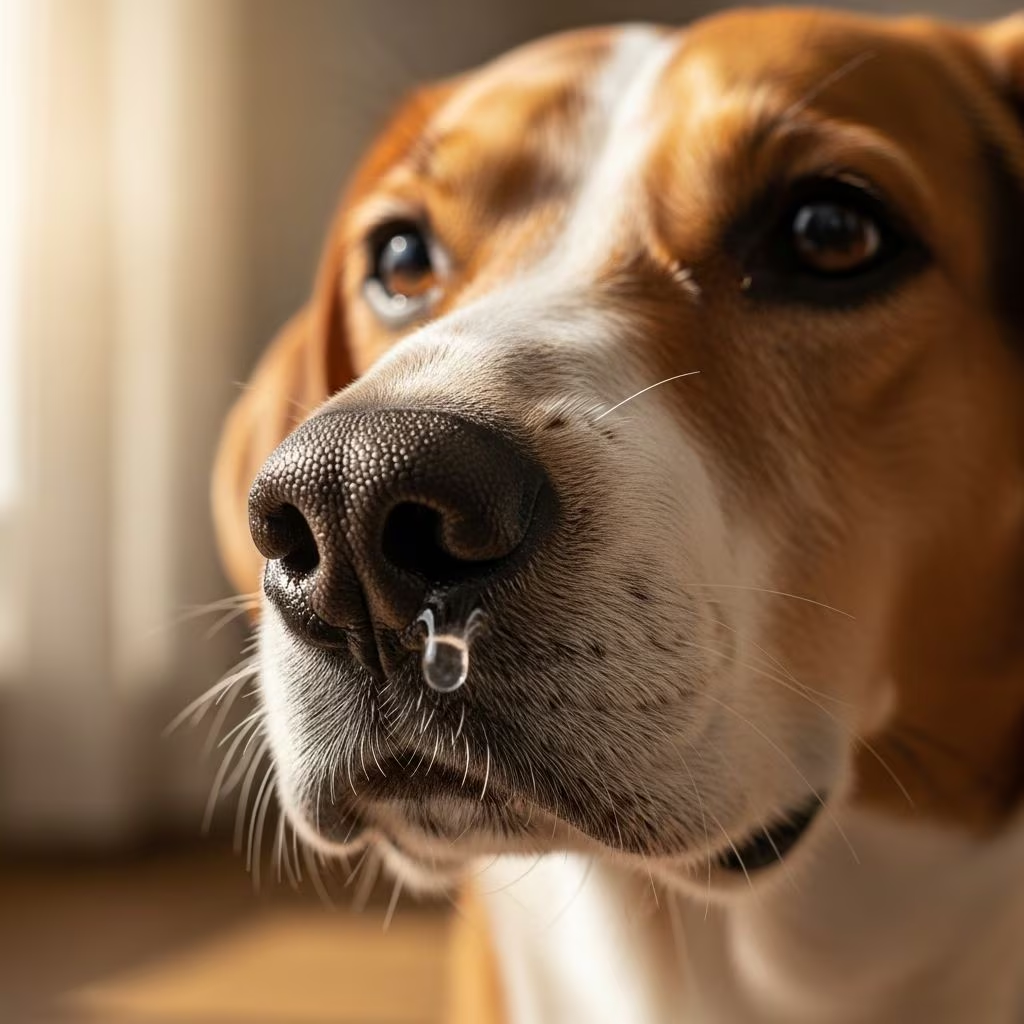
A runny nose in dogs, known medically as nasal discharge, is a frequent concern for pet owners. This symptom can range from a minor annoyance to a sign of serious health issues. Understanding the underlying reasons helps in providing timely care, preventing complications, and restoring your dog’s comfort. This guide draws from veterinary insights to cover everything from everyday triggers to advanced diagnostics.
Recognizing Nasal Discharge in Dogs
Nasal discharge varies in appearance and consistency, offering clues about its cause. Clear, watery fluid often points to mild irritations or allergies, while thick, colored mucus suggests infection. One-sided discharge might indicate a foreign object, whereas bilateral flow could relate to systemic issues. Accompanying signs like sneezing, coughing, lethargy, or appetite loss demand attention.
- Clear discharge: Typically allergies or irritants.
- Yellow/green pus: Bacterial infection likely.
- Bloody or dark discharge: Possible trauma, tumor, or clotting disorder.
- Foamy or excessive: Could signal dental problems or polyps.
Monitor duration and progression. Brief episodes after play might self-resolve, but persistence beyond 24-48 hours warrants a vet visit.
Primary Causes of Runny Noses in Canines
Several factors contribute to nasal discharge. Identifying the trigger is key to effective management.
Allergies and Environmental Triggers
Allergies top the list, affecting dogs similarly to humans. Pollen, dust mites, mold, and grasses provoke immune responses leading to sneezing and clear discharge. Indoor culprits include household cleaners, smoke, and perfumes. Dogs with skin itching, red eyes, or paw licking often have allergies. Seasonal patterns, like spring flare-ups, confirm this.
Respiratory Infections
Viral or bacterial invaders cause upper respiratory issues akin to human colds. Canine influenza, kennel cough, and distemper produce mucus buildup, coughing, and fever. Puppies and seniors are vulnerable. Discharge starts clear but turns opaque with secondary infections.
Foreign Bodies and Parasites
Curious sniffers inhale grass seeds, foxtails, or nasal mites. These lodge in passages, causing unilateral discharge, violent sneezing, and pawing at the face. Mites, microscopic parasites, thrive in nasal cavities, leading to chronic irritation.
Dental and Structural Abnormalities
Tooth root abscesses or periodontal disease create fistulas, allowing oral bacteria into nasal areas. Congenital cleft palates in puppies permit food leakage, causing foul discharge. Trauma from sticks or balls can puncture palates.
Serious Conditions: Tumors and Bleeding Disorders
Nasal tumors or polyps obstruct airflow, producing bloody discharge, especially in older dogs. Toxins like rodenticides impair clotting, resulting in nosebleeds. Tick-borne diseases exacerbate bleeding.
| Cause Category | Common Signs | Risk Groups | |
|---|---|---|---|
| Allergies | Sneezing, itchy skin | Clear/watery | All ages, breeds |
| Infections | Cough, fever | Yellow/green | Puppies, crowded settings |
| Foreign Objects | Pawing nose, one-sided | Mucoid, bloody | Active sniffers |
| Dental Issues | Bad breath, drooling | Foul, purulent | Small breeds, seniors |
| Tumors/Bleeding | Weight loss, bleeding | Bloody/dark | Older dogs |
Home Management Strategies
While professional evaluation is essential for ongoing issues, supportive home care eases symptoms.
- Humidify air: Use a humidifier or steam from hot showers to loosen mucus.
- Clean gently: Wipe crust with warm water and soft cloth; avoid forcing into nostrils.
- Hydrate and soften food: Ensure water access; offer wet or soaked kibble for comfort.
- Eliminate irritants: Ban smoke, strong scents, and dust; use air purifiers.
- Monitor closely: Track symptoms in a journal for vet discussions.
Avoid over-the-counter human meds like decongestants, as they can harm dogs.
Veterinary Diagnostics Explained
Vets start with history and exam, then advance to tests. Physical checks reveal odors, swelling, or dental pain. Further steps include:
- Imaging: X-rays or CT scans detect masses, fluid, or objects.
- Rhinoscopy: Endoscope visualizes and samples nasal interior under anesthesia.
- Biopsies/Cultures: Confirm infections, cancers, or allergies.
- Bloodwork: Checks clotting, infections, or organ function.
Early diagnostics pinpoint causes accurately, guiding precise therapies.
Treatment Options by Condition
Tailored plans address root problems effectively.
- Allergies: Antihistamines, steroids, hypoallergenic diets, or immunotherapy.
- Infections: Antibiotics for bacteria, antifungals for mycoses; supportive fluids.
- Obstructions: Sedated removal of objects or mites.
- Dental: Extractions, cleanings under anesthesia.
- Tumors: Surgery, radiation, chemo depending on type and stage.
- Supportive: Cough suppressants, mucolytics, pain relief.
Hospitalization aids severe cases with dehydration or breathing distress.
Preventive Measures for Nasal Health
Proactive steps reduce recurrence risks.
- Vaccinate against respiratory viruses like distemper and influenza.
- Maintain dental hygiene with brushes and vet-approved chews.
- Control allergens: Regular grooming, hypoallergenic bedding, air filters.
- Avoid high-risk areas during peak pollen or foxtail seasons.
- Parasite preventives guard against nasal mites and ticks.
Annual wellness exams catch issues early.
When to Seek Immediate Veterinary Help
Not all runny noses are benign. Rush to the vet if:
- Bloody, foul, or profuse discharge persists.
- Breathing difficulty, blue gums, or collapse occurs.
- Symptoms last over 2 days or worsen.
- Puppy, senior, or chronic illness present.
These signal emergencies like pneumonia, tumors, or toxins.
Frequently Asked Questions (FAQs)
Can a runny nose be normal in dogs?
Occasional clear discharge after excitement is common, but changes in color, volume, or duration are not.
Is a dog’s runny nose contagious?
Viral infections like kennel cough spread easily; isolate and vaccinate contacts.
How long before seeing a vet?
24-48 hours for mild cases; immediately for blood, lethargy, or breathing issues.
Can diet affect nasal discharge?
Food allergies contribute; trials with novel proteins help identify triggers.
Do breeds differ in susceptibility?
Brachycephalics like Pugs face higher risks due to anatomy.
Long-Term Management for Chronic Cases
Recurring discharge requires ongoing strategies. Allergy testing identifies specifics for targeted avoidance or shots. Environmental tweaks, like HEPA filters, prove invaluable. Regular vet follow-ups monitor progress and adjust plans. Nutritional supplements with omega-3s support immune and skin health, potentially reducing flares.
For structural issues, surgical corrections offer permanent relief. Owners of chronic dogs benefit from support groups sharing real-world tips.
References
- Runny Nose in Dogs: Causes, Treatments, and More — Bond Vet. 2023. https://bondvet.com/blog/runny-nose-in-dogs
- Understanding & Treating Runny Noses in Dogs — Best Friends Vet. 2023. https://bestfriendsvet.org/blog/dog-runny-noses/
- What You Should Do if Your Dog Has a Runny Nose — Bottle Tree Animal Hospital. 2023. https://bottletreeanimalhospital.com/blog/dog-has-a-runny-nose/
- Dog Runny Nose: Possible Causes for a Runny Nose — Providence Vet Hospital. 2023. https://providencevethospital.com/blog/dog-runny-nose/
- Runny nose in dogs | Health A-Z — Joii Pet Care. 2023. https://www.joiipetcare.com/blogs/health-symptoms/runny-nose-in-dogs
- Why Is My Dog’s Nose Runny? Causes and Treatment — GoodRx. 2023. https://www.goodrx.com/pet-health/dog/runny-nose
- Dog Runny Nose (Nasal Discharge): Causes and Treatments — WebMD. 2023. https://www.webmd.com/pets/dogs/my-dog-has-discharge-from-nose



