

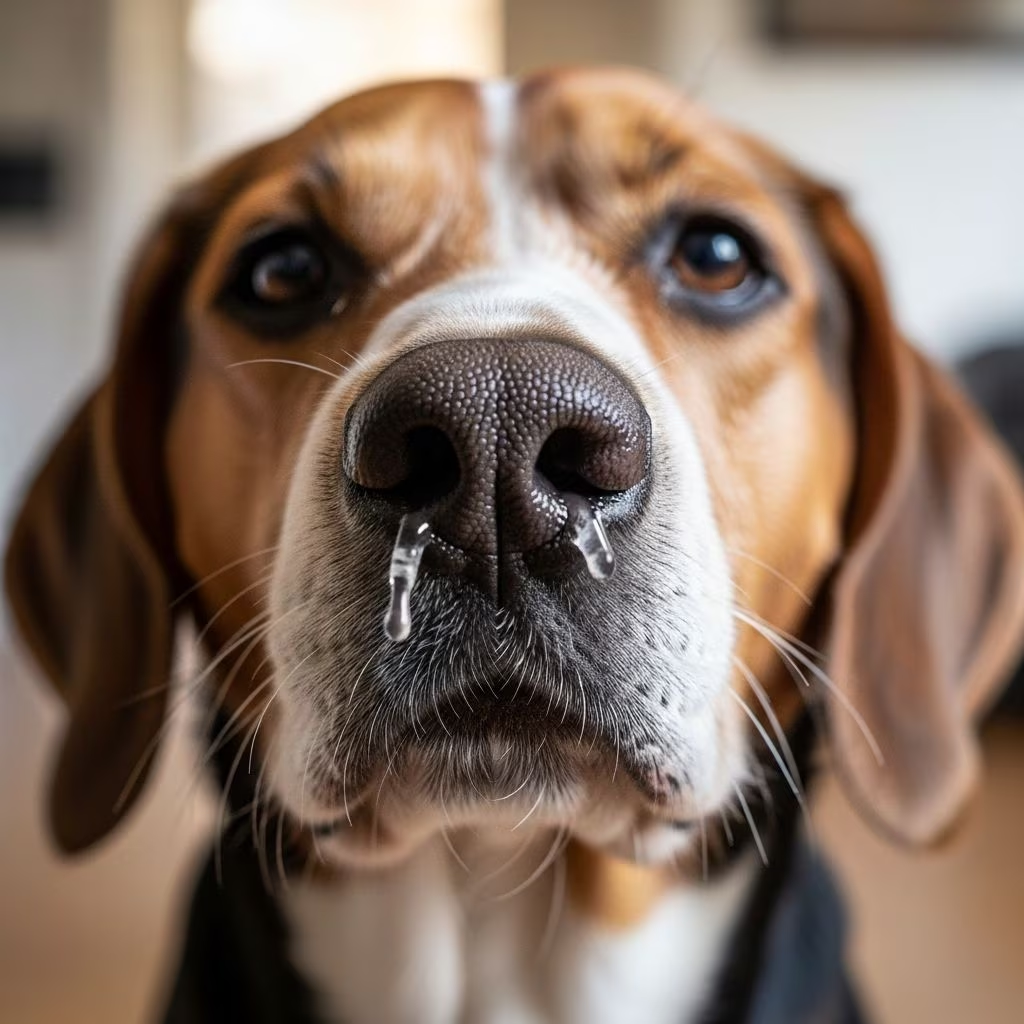
A runny nose in dogs, known medically as nasal discharge, can range from a minor annoyance to a sign of underlying health issues. While occasional clear discharge might stem from everyday irritants, persistent or colored mucus often signals something more serious that requires attention. Understanding the potential triggers helps pet owners respond appropriately, ensuring their dog’s comfort and well-being.
Understanding Nasal Discharge in Canines
Dogs rely heavily on their sense of smell, making their nasal passages highly sensitive. Nasal discharge serves as the body’s way to flush out irritants, pathogens, or excess mucus. Clear, watery fluid is typically benign, but thick, yellow, green, or bloody discharge warrants concern. Factors like breed, age, and environment influence susceptibility—short-nosed breeds like Bulldogs face higher risks due to anatomy, while puppies and seniors are more vulnerable to infections.
Common Triggers for a Dripping Canine Nose
Several factors can lead to nasal dripping. Here’s a breakdown of the most frequent culprits:
- Allergies: Environmental allergens such as pollen, dust mites, mold, and even certain foods provoke immune responses. Dogs exhibit clear discharge, frequent sneezing, watery eyes, and paw licking. Seasonal patterns often align with high pollen counts in spring or fall.
- Irritants and Environmental Factors: Smoke, strong perfumes, cleaning chemicals, or household dust irritate nasal linings, causing temporary clear dripping. Dogs cooling themselves through panting may produce sweat-like discharge from nasal glands.
- Foreign Bodies: Grass seeds, foxtails, or small debris inhaled during sniffing lodge in nasal passages, leading to unilateral discharge (one nostril), sneezing, and pawing at the face.
Infectious Causes Demanding Prompt Action
Infections top the list of serious runny nose causes, often producing opaque or colored mucus accompanied by systemic symptoms.
| Infection Type | Symptoms | Transmission Risk |
|---|---|---|
| Viral (e.g., Canine Influenza, Distemper) | Coughing, fever, lethargy, eye discharge | High in dog parks, boarding |
| Bacterial (e.g., Bordetella – Kennel Cough) | Honking cough, thick green mucus | Very contagious via air |
| Fungal (e.g., Aspergillosis) | Chronic discharge, nosebleeds, ulceration | Environmental spores |
Viral infections like kennel cough spread rapidly in social settings, while unvaccinated dogs face severe risks from distemper, which can affect multiple systems.
Structural and Chronic Conditions
Less common but persistent issues include:
- Nasal Polyps or Tumors: Growths block passages, causing ongoing discharge, often from one side, with possible bleeding. Benign polyps respond to surgery, but tumors may be cancerous and aggressive.
- Chronic Rhinitis/Sinusitis: Ongoing inflammation from repeated infections or allergies leads to variable discharge colors and consistency.
- Dental Problems: Tooth root abscesses or periodontal disease create fistulas allowing mouth bacteria into the nose, resulting in foul-smelling discharge.
- Congenital Defects: Cleft palates in puppies permit food and saliva to enter nasal cavities, causing chronic issues.
- Parasites: Nasal mites infest passages, irritating linings and producing discharge.
Recognizing Danger Signs
Not all runny noses need immediate vet care, but these red flags do:
- Discharge lasting over 24-48 hours or worsening.
- Thick, pus-like, bloody, or foul-smelling mucus.
- Accompanying lethargy, appetite loss, coughing, breathing difficulty, or facial swelling.
- Unilateral discharge suggesting foreign objects or tumors.
- Recent exposure to other dogs or new environments.
Puppies, seniors, or brachycephalic breeds showing any distress merit urgent evaluation to prevent complications like pneumonia.
Home Management Strategies
For mild cases, try these supportive measures while monitoring:
- Humidify Air: Use a humidifier or steam from a hot shower to loosen mucus.
- Gentle Cleaning: Wipe nostrils with a soft, damp cloth; avoid forcing sneezes.
- Reduce Irritants: Eliminate smoke, scents, and dust; use air purifiers for allergies.
- Hydration and Rest: Encourage water intake and limit activity.
- Saltwater Rinse: Diluted saline drops (vet-approved) can flush mild irritants.
Never use human decongestants or antibiotics without veterinary guidance, as they can harm dogs.
Veterinary Diagnosis and Treatment Options
A vet visit involves:
- Physical exam and history review.
- Diagnostic tools: Rhinoscopy (nasal scoping), X-rays, CT scans, cultures, biopsies for tumors or infections.
- Allergy testing or dental X-rays if indicated.
Treatments vary:
- Allergies: Antihistamines, hypoallergenic diets, immunotherapy.
- Infections: Antibiotics, antivirals, antifungals; vaccines prevent many.
- Foreign Bodies: Sedated removal or flushing.
- Tumors: Surgery, radiation, chemotherapy.
- Chronic Cases: Long-term meds or surgery.
Prevention: Keeping Nasal Issues at Bay
Proactive steps minimize risks:
- Maintain up-to-date vaccinations, especially for respiratory diseases.
- Avoid high-risk areas during outbreaks.
- Regular dental check-ups and cleanings.
- Monitor for allergies with hypoallergenic bedding and diets.
- Limit exposure to irritants and supervise sniffing in grassy areas.
FAQs on Canine Nasal Discharge
Q: Is a clear runny nose always harmless?
A: Usually yes, from irritants or allergies, but monitor for changes.
Q: Can runny nose lead to pneumonia?
A: Yes, untreated respiratory infections can progress to lower lung involvement.
Q: How long before seeing a vet?
A: If over 2 days, colored discharge, or other symptoms appear.
Q: Are certain breeds more prone?
A: Brachycephalic breeds like Pugs due to narrow passages.
Q: Home remedies for kennel cough?
A: Supportive care only; antibiotics if bacterial secondary infection.
Long-Term Outlook and Monitoring
Most runny noses resolve with proper care, but chronic cases need ongoing management. Track symptoms in a journal, noting discharge type, duration, and triggers. Annual wellness exams catch issues early. With vigilance, dogs bounce back quickly, maintaining their sniffing adventures.
References
- Dog Runny Nose: Possible Causes for a Runny Nose — Providence Vet Hospital. 2023. https://providencevethospital.com/blog/dog-runny-nose/
- Runny nose in dogs | Health A-Z — Joii Pet Care. 2024. https://www.joiipetcare.com/blogs/health-symptoms/runny-nose-in-dogs
- Runny Nose in Dogs: Causes, Treatments, and More — Bond Vet. 2024. https://bondvet.com/blog/runny-nose-in-dogs
- What to Do When Your Dog Has a Runny Nose — Lane Veterinary. 2023. https://lanevet.com/blog/dog-has-a-runny-nose/
- Dog Nose Dripping: Why Your Dog Has a Runny Nose — Saratoga Vet Hosp. 2024. https://saratogavethosp.com/blog/dog-nose-dripping/
- Runny Nose in Dogs — PetMD. 2025. https://www.petmd.com/dog/symptom/runny-nose-in-dogs
- Why Is My Dog’s Nose Runny? Causes and Treatment — GoodRx. 2024. https://www.goodrx.com/pet-health/dog/runny-nose



