

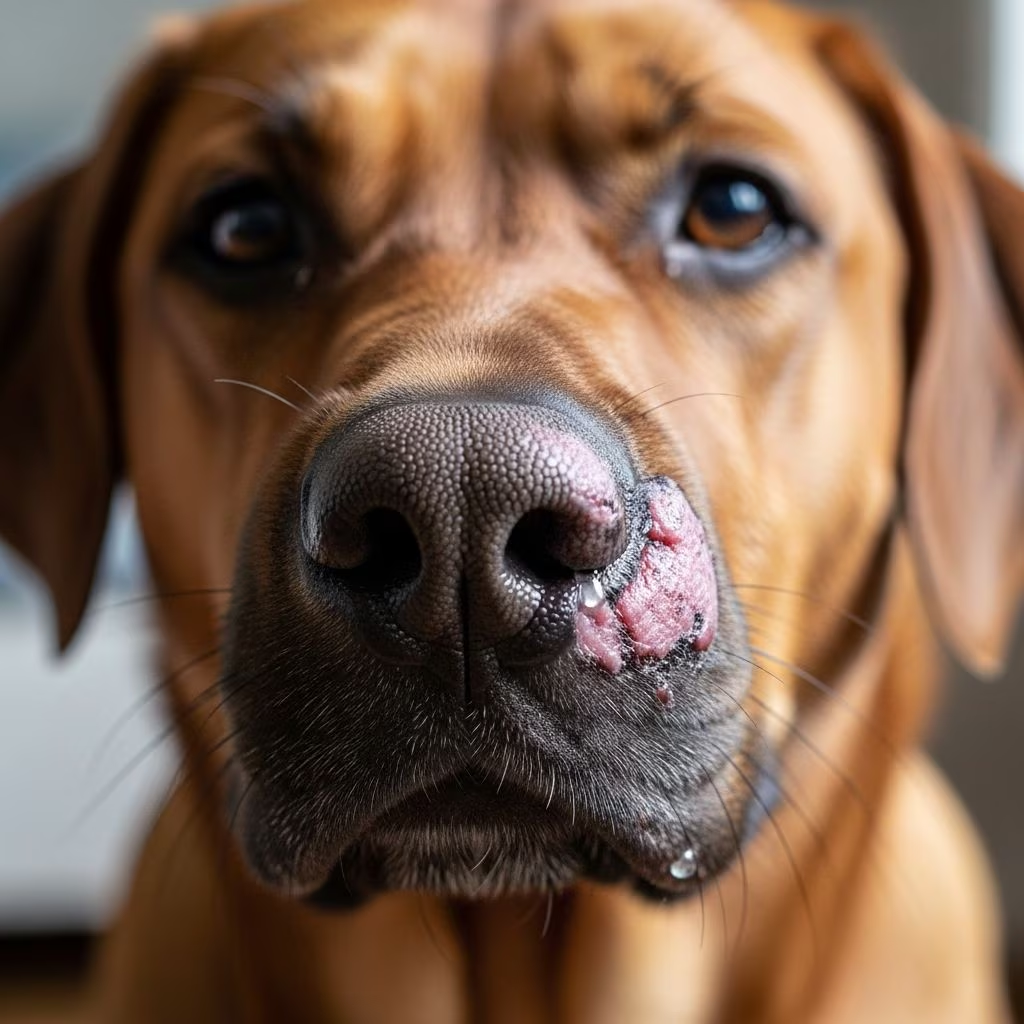
Dogs frequently use their noses to explore the world, but when they start rubbing them excessively against surfaces, it often signals underlying discomfort. This behavior can lead to raw, irritated skin on the nose, ranging from mild redness to painful sores. Understanding the root causes helps pet owners intervene promptly to prevent escalation.
Recognizing the Signs of Nose Rubbing in Dogs
Excessive nose rubbing typically manifests as repeated pawing at the face, shaking the head vigorously, or scraping the nose on carpets, furniture, or kennel walls. The nose may appear red, swollen, cracked, or encrusted with discharge. Accompanying symptoms like sneezing, nasal bleeding, or labored breathing indicate a need for immediate attention.
- Frequent pawing or rubbing on objects
- Reddened, inflamed, or bleeding nose
- Thick or bloody nasal discharge
- Head shaking and reverse sneezing
- Crusty or flaky skin on the muzzle
Early detection is crucial, as untreated rubbing can lead to secondary infections or deeper tissue damage.
Common Culprits Behind Nose Irritation
Several factors prompt dogs to rub their noses raw. These range from environmental irritants to medical conditions, each requiring specific management strategies.
Kennel Nose: A Confinement-Related Issue
Kennel nose develops when dogs repeatedly rub their noses against crate bars, bedding, or fences during prolonged confinement. The friction causes inflammation, scabs, and open wounds. Puppies in training or anxious adults in boarding facilities are particularly susceptible.
Preventing kennel nose involves providing soft crate liners, ensuring adequate exercise, and minimizing alone time in enclosures. Healing requires gentle cleaning and barrier creams to protect the skin.
Allergies and Environmental Triggers
Allergic rhinitis or skin allergies cause intense itching in the nasal passages, leading to frantic rubbing. Pollen, dust mites, or food sensitivities provoke symptoms like pawing the face, sneezing, and bilateral discharge.
Dogs may also react to household cleaners or smoke, exacerbating the urge to rub. Veterinary allergy testing and hypoallergenic diets often resolve these cases.
Parasitic Infestations: Mites and More
Nasal mites (Pneumonyssoides caninum) burrow into nasal passages, causing severe itching, nosebleeds, coughing, and head shaking. These microscopic pests spread through dog-to-dog contact.
Other parasites like fleas, ticks, or demodectic mites on the muzzle contribute to flaky, irritated skin. Regular parasite preventives and thorough grooming reduce risks.
Structural and Genetic Skin Disorders
Hyperkeratosis: Thickened Nose Skin
Idiopathic hyperkeratosis results in excessive keratin buildup, making the nose dry, cracked, and rough. Breeds like Labrador Retrievers and Cocker Spaniels are prone. Viral triggers, such as distemper in unvaccinated dogs, can initiate this.
Treatment includes moisturizing balms and trimming excess tissue. Genetic forms may require lifelong care.
Nasal Dermatoses: A Spectrum of Muzzle Issues
Nasal dermatoses encompass crusting, depigmentation, and ulceration from infections, zinc deficiency, or sun exposure. Bacterial or fungal culprits like Staphylococcus or blastomycosis cause reddening and discharge.
Neurological nerve damage or cancers like squamous cell carcinoma can mimic these, necessitating biopsies for diagnosis.
Foreign Objects and Injuries
Foxtails or grass awns lodge in nostrils, sparking violent sneezing, one-sided discharge, and desperate rubbing. These barbed seeds migrate deeper, risking abscesses or lung penetration.
Bee stings, foreign bodies like thorns, or dental abscesses provoke localized pain, prompting rubbing for relief. Immediate vet extraction under sedation prevents complications.
When Neurological Conditions Are at Play
Chiari-like malformation (CM) and syringomyelia (SM), common in breeds like Cavalier King Charles Spaniels, cause neuropathic pain. Fluid buildup in the spinal cord leads to phantom scratching, face rubbing, and neck sensitivity.
Owners notice behavioral changes, scoliosis, or limb weakness. MRI confirms diagnosis; medications manage pain, though surgery may be needed.
Diagnosis: Veterinary Steps to Uncover the Cause
Vets start with a physical exam, focusing on the nose, eyes, ears, and teeth. Rhinoscopy visualizes nasal passages, while cytology or biopsies identify infections or tumors. Blood tests rule out allergies or deficiencies.
| Test | Purpose | Common Findings |
|---|---|---|
| Nasal Swab/Cytology | Detect parasites or bacteria | Mites, Staphylococcus |
| Allergy Panel | Identify environmental triggers | Pollen, dust sensitivity |
| Imaging (X-ray, CT) | Spot foreign bodies or tumors | Foxtails, masses |
| Biopsy | Confirm cancer or dermatoses | Squamous cell carcinoma |
Accurate pinpointing guides targeted therapy, avoiding trial-and-error treatments.
Treatment Strategies for Relief
Treatments vary by cause but emphasize soothing the nose and addressing the source.
- Topical Care: Antibiotic ointments for infections; emollients like petroleum jelly for dryness.
- Medications: Antihistamines or steroids for allergies; ivermectin for mites.
- Surgical Interventions: Foreign body removal or tumor excision.
- Supportive Measures: Humidifiers for dry air; cone collars to halt rubbing.
Healing timelines range from days for minor irritations to months for chronic conditions.
Home Remedies and Prevention Tips
While professional care is essential, supportive home measures aid recovery.
- Keep the nose clean with saline wipes.
- Avoid harsh soaps; opt for pet-safe moisturizers.
- Eliminate foxtail-prone areas during walks.
- Maintain vaccinations to prevent distemper.
- Provide mental stimulation to curb anxiety rubbing.
Regular vet check-ups catch issues early. Balanced diets with zinc support skin health.
FAQs: Nose Rubbing Concerns Addressed
Is kennel nose dangerous?
Mild cases heal with rest, but severe ones risk infection. Consult a vet for persistent wounds.
Can diet fix hyperkeratosis?
Zinc-rich foods help deficiency cases, but genetic types need topical management.
How do I know if it’s mites?
Nosebleeds and coughing alongside rubbing suggest nasal mites; endoscopy confirms.
Should I stop my dog from rubbing immediately?
Use a cone to prevent worsening, but identify the cause first.
When is nose rubbing an emergency?
Seek care for breathing issues, heavy bleeding, or lethargy.
Long-Term Management for Chronic Cases
Breeds prone to genetic issues benefit from breeding programs avoiding CM/SM lines. Owners of allergy sufferers track flare-ups with journals to identify triggers. Consistent parasite control and sun protection (dog-safe sunscreen) minimize recurrences.
Monitoring ensures quick responses to changes, promoting a comfortable life for your dog.
References
- What Are Dog Nasal Mites? — Broomfield Veterinary Hospital. 2023. https://broomfieldvet.com/blog/dog-nasal-mites/
- What Is Kennel Nose in Dogs? — Whole Dog Journal. 2024. https://www.whole-dog-journal.com/health/what-is-kennel-nose-in-dogs/
- Dog Nose Hyperkeratosis: Causes, Symptoms, & Treatment — Vetericyn. 2023. https://vetericyn.com/blogs/vetericyn/dog-nose-hyperkeratosis
- What to Do if Your Dog Is Rubbing Its Face Constantly — Southeast Veterinary Neurology. 2024. https://sevneurology.com/blog/dog-rubbing-face
- Why Is My Dog Rubbing Their Nose Raw? — Hill’s Pet Nutrition. 2023. https://www.hillspet.co.id/dog-care/healthcare/dog-rubbing-nose-raw
- Nasal Dermatoses in Dogs: What Are They and How Are They Diagnosed — PetMD. 2025. https://www.petmd.com/dog/conditions/skin/nasal-dermatoses-dogs-what-are-they-and-how-are-they-diagnosed
- Allergic Rhinitis in Dogs — Trudell Animal Health. 2024. https://trudellanimalhealth.com/blogs/blog/allergic-rhinitis-in-dogs
- Foxtail in Dog’s Nose: Urgent Signs and When It’s an Emergency — Golden State Veterinary Specialists. 2024. https://gsvs.org/blog/dog-foxtail-nose-urgent-signs/



