

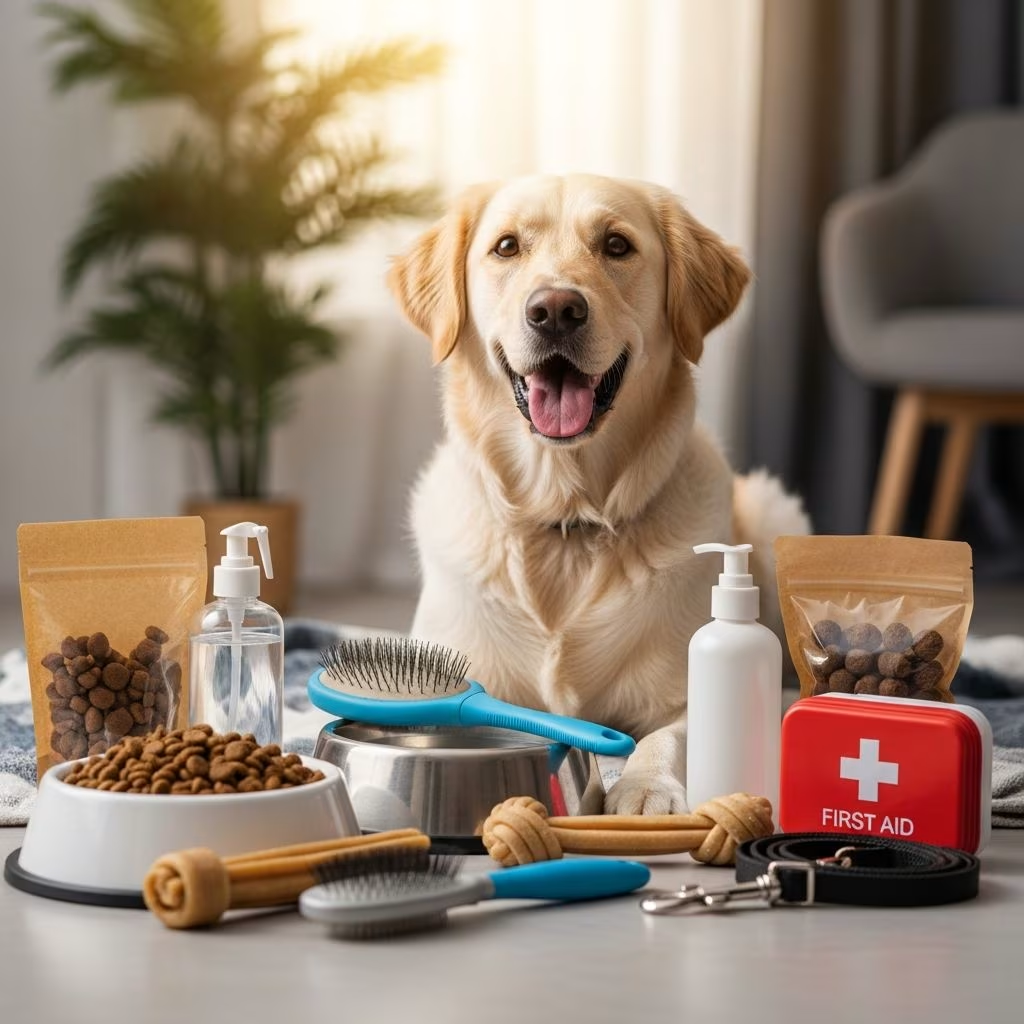
Providing your dog with consistent **routine care** is the foundation of a long, healthy, and happy life. From regular vet visits and vaccinations to daily grooming, exercise, and preventive measures, mastering these essentials ensures your furry companion thrives. This guide covers everything you need to know to ace everyday pet wellness, drawing on expert recommendations for all breeds and ages.
Why Routine Care Matters for Your Dog
Routine care goes beyond basic feeding—it’s about proactive health management that prevents issues before they arise. Establishing a structured daily routine supports physical health, mental well-being, and behavioral stability. According to the American Kennel Club, consistent schedules for feeding, exercise, potty breaks, and training create security and predictability, reducing anxiety and boosting confidence. Dogs thrive on routine, much like humans, leading to fewer behavioral problems and better overall vitality.
Neglecting routine care can lead to obesity, dental disease, parasites, and chronic conditions. By prioritizing it, you catch problems early, save on vet bills, and strengthen your bond. Key areas include veterinary check-ups, vaccinations, grooming, dental hygiene, exercise, nutrition, flea/tick prevention, and simple home remedies.
Veterinary Check-Ups: The Cornerstone of Preventive Health
Regular vet visits are non-negotiable for monitoring your dog’s health. Puppies need check-ups every 3-4 weeks until 16 weeks, then annually for adults, and biannually for seniors. During these, vets assess weight, heart, joints, eyes, ears, and teeth, performing bloodwork if needed.
- Annual wellness exams: Detect early signs of issues like arthritis or thyroid problems.
- Puppy/kitten visits: Focus on growth, deworming, and baseline health.
- Senior care: Address age-related concerns like cognitive decline or mobility loss.
Always discuss spaying/neutering, which reduces cancer risks and roaming behaviors. Track records digitally for easy sharing.
Vaccination Schedules: Protecting Against Preventable Diseases
Vaccines are a critical part of routine care, shielding dogs from deadly diseases like parvovirus, distemper, and rabies. Core vaccines include DHPP (distemper, hepatitis, parvo, parainfluenza) and rabies; lifestyle ones like Bordetella or leptospirosis depend on exposure risks.
| Age | Core Vaccines | Boosters |
|---|---|---|
| 6-8 weeks | DHPP | – |
| 10-12 weeks | DHPP, Rabies (some areas) | – |
| 14-16 weeks | DHPP booster, Rabies | – |
| 1 year | All boosters | Annual or 3-year |
| Adult | – | Every 1-3 years |
Consult your vet for tailored schedules. Side effects like mild lethargy are common but serious reactions warrant immediate care.
Grooming Routines: Keeping Your Dog Clean and Comfortable
Regular grooming prevents skin issues, mats, and infections. Frequency varies by coat type: short-haired dogs weekly, long-haired daily brushing.
- Brushing: Removes dead hair, distributes oils, reduces shedding.
- Bathing: Every 4-6 weeks with dog-safe shampoo; overbathing dries skin.
- Nail trimming: Every 3-6 weeks to prevent pain and slipping.
- Ear cleaning: Weekly with vet-approved solution for floppy-eared breeds.
Professional grooming quarterly helps with hard-to-reach areas. Make it positive with treats to build trust.
Dental Health: Preventing Costly Oral Diseases
80% of dogs over 3 have dental disease, leading to pain, tooth loss, and heart issues. Daily care is key.
- Brushing: Use enzymatic toothpaste 3-7 times weekly; never human paste.
- Dental chews/toys: Approved by Veterinary Oral Health Council (VOHC).
- Professional cleanings: Under anesthesia annually if needed.
Signs of trouble: bad breath, loose teeth, bleeding gums. Add dental rinses to water for extra protection.
Exercise and Mental Stimulation: Building a Fitness Routine
All dogs need daily exercise for weight control, heart health, and mental sharpness. Aim for 30-120 minutes based on breed, age, and energy.
Sample Daily Exercise Routine:
| Time | Activity |
|---|---|
| 7 AM | Morning walk (30 min) |
| 12 PM | Play/fetch (15 min) |
| 6 PM | Evening hike or run (45 min) |
| 8 PM | Puzzle toys for mental workout |
Incorporate stretching: treat-stretches for spine flexibility, ‘paws up’ for hips. Mental games like sniff walks or training prevent boredom-induced behaviors. Start slow, especially for seniors or overweight dogs, after vet clearance.
Nutrition and Feeding Schedules: Fueling Optimal Health
Consistent feeding regulates digestion and energy. Puppies 3-4 meals/day; adults 2; seniors may need smaller, frequent ones.
- Quality food: AAFCO-approved, life-stage specific.
- Portion control: Follow guidelines, adjust for activity.
- Timing: Breakfast 7 AM, dinner 6 PM; no exercise 1 hour post-meal to avoid bloat.
Transitions take 7-10 days. Fresh water always; monitor weight monthly.
Flea, Tick, and Parasite Prevention: Year-Round Protection
Parasites transmit diseases like Lyme or tapeworms. Use vet-recommended topicals, orals, or collars monthly.
- Heartworm: Monthly preventive; test annually.
- Flea/tick: Broad-spectrum for indoors/outdoors.
- Deworming: Puppies frequently; adults biannually.
Check after walks; comb weekly.
DIY Home Remedies: Safe At-Home Care Tips
For minor issues, try vet-approved remedies:
- Upset stomach: Bland diet (boiled chicken/rice) for 24 hours.
- Itchy skin: Oatmeal baths or coconut oil.
- Anxiety: Calming pheromone diffusers, thunder shirts.
- Wounds: Clean with saline; vet for deep cuts.
Never use human meds like ibuprofen—toxic to dogs. When in doubt, call your vet or 24/7 service.
Building a Complete Daily Routine
Combine elements for balance:
- 6:30 AM: Wake, potty, breakfast.
- 7:30 AM: Walk/exercise.
- 12 PM: Potty, lunch/play.
- 6 PM: Dinner, evening walk.
- 8 PM: Groom, wind down, bedtime.
Adapt for your lifestyle; consistency is key.
Frequently Asked Questions (FAQs)
Q: How often should I take my dog to the vet?
A: Puppies every 3-4 weeks initially, then annually for adults, biannually for seniors.
Q: What’s the best daily exercise for my dog?
A: 30-60 minutes of walks, play, and mental stimulation, tailored to age and breed.
Q: How do I start a grooming routine?
A: Brush weekly, bathe monthly, trim nails biweekly; make it fun with rewards.
Q: Are DIY remedies safe?
A: Only vet-approved ones; consult professionals for anything serious.
Q: How to prevent fleas year-round?
A: Monthly preventives plus environmental cleaning.
References
- Importance of a Daily Dog Routine & What it Should Look Like — Adopt a Pet Blog. 2023. https://www.adoptapet.com/blog/behavior-training/daily-routine-for-a-dog
- 24/7 vet advice from ManyPets + Kinship Premium — ManyPets. 2024. https://manypets.com/us/blog/manypets-the-kin/
- Does Your Dog Need an Exercise Routine? — Kinship. 2023. https://www.kinship.com/dog-health/dog-fitness-routine
- Dog Health — Kinship. 2025. https://www.kinship.com/dog-health



