

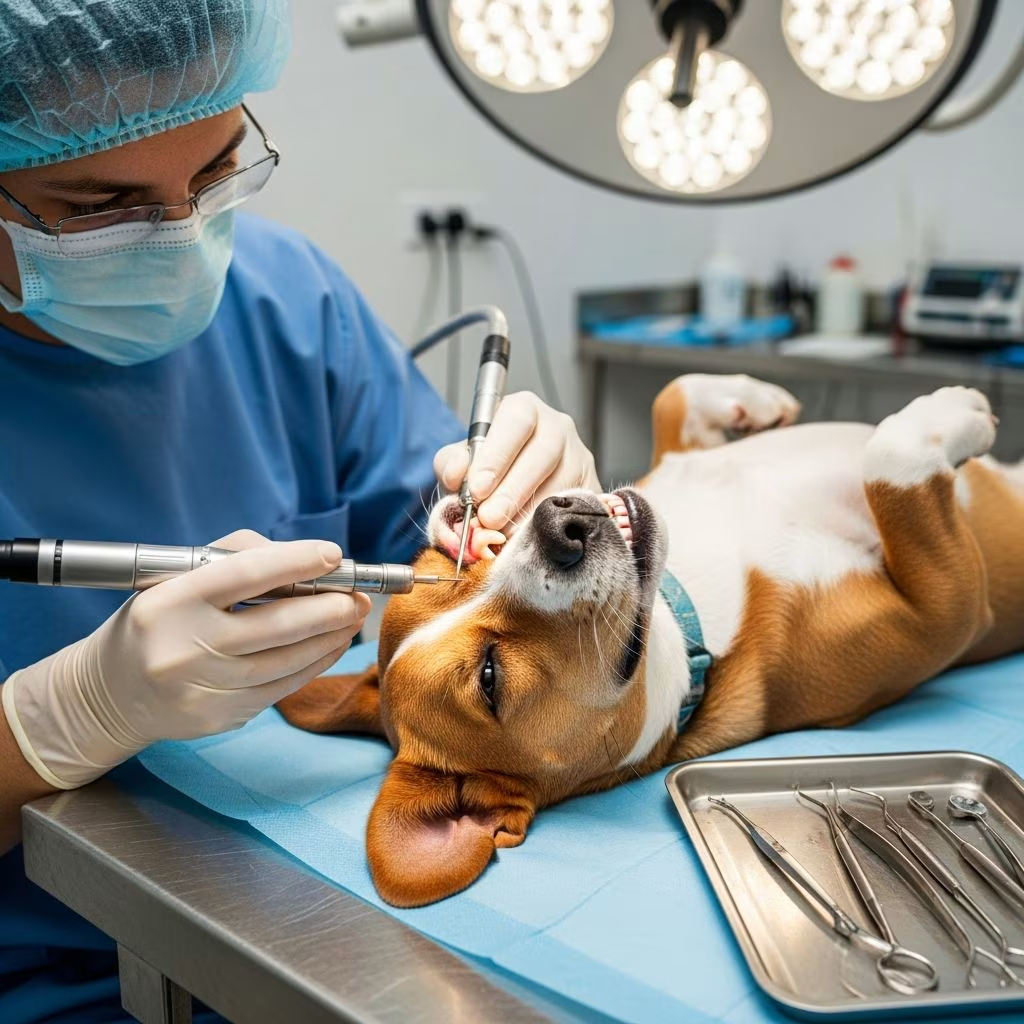
Root canal therapy for dogs is an advanced veterinary dental procedure designed to treat infected or damaged teeth by removing diseased pulp, disinfecting the canal, and sealing it to preserve the tooth’s structure and function. This treatment allows dogs to retain natural teeth, maintain bite strength, and avoid complications from extractions, making it a preferred choice for many cases of tooth fractures or pulp exposure.
Understanding Canine Dental Anatomy and Common Problems
Dogs have unique dental structures compared to humans, with 42 adult teeth featuring prominent canines and carnassial molars essential for tearing and grinding. The pulp, located in the root canal at the tooth’s center, contains nerves, blood vessels, and connective tissue that can become exposed through fractures, leading to bacterial invasion, inflammation (pulpitis), and eventual necrosis.
Fractures often occur from chewing hard objects like rocks, antlers, or bones, exposing the sensitive pulp to oral bacteria and debris. Without intervention, this progresses to painful infections that may spread to surrounding bone or systemically affect health.
Recognizing Signs Your Dog Needs Dental Intervention
Early detection of dental issues prevents severe pain and complications. Watch for these indicators:
- Visible tooth fractures or chips, especially on upper canines or molars.
- Excessive drooling, pawing at the mouth, or reluctance to chew.
- Bleeding gums, bad breath, or facial swelling around the jaw.
- Changes in eating habits, like dropping food or favoring one side.
- Discolored teeth or pus discharge from the fracture site.
If these symptoms appear, a veterinary exam with dental radiographs is crucial to assess pulp vitality and root integrity.
The Root Canal Procedure: Step-by-Step Breakdown
Performed under general anesthesia by a trained veterinary dentist, the process ensures pet safety and precision. Here’s what happens:
- Anesthesia and Diagnostics: The dog is sedated, and full-mouth radiographs confirm the diagnosis, revealing pulp exposure or periapical infection.
- Access and Pulp Removal: A small opening is drilled into the crown to access the canal; infected pulp tissue, nerves, and debris are fully extirpated.
- Cleaning and Shaping: Canals are irrigated with disinfectants, filed, and shaped to remove bacteria and prepare for filling.
- Filling and Sealing: Medical-grade sealers and gutta-percha-like materials fill the canal, hardened with light curing to block re-entry.
- Restoration: The crown is restored with composite filling or a protective metal crown for durability, especially on fracture-prone teeth.
The entire procedure typically lasts 45-90 minutes per tooth, depending on complexity.
Root Canal vs. Tooth Extraction: Key Comparisons
Choosing between root canal therapy and extraction hinges on tooth condition, location, and the dog’s health. Use this table for clarity:
| Aspect | Root Canal Therapy | Tooth Extraction |
|---|---|---|
| Goal | Preserves natural tooth structure and function. | Removes damaged tooth entirely. |
| Invasiveness | Minimally invasive; no bone removal needed. | Requires gum incisions, possible bone trimming, and sutures. |
| Pain Management | Eliminates pain source immediately; tooth becomes non-vital but functional. | Post-op pain meds needed; socket heals over 1-2 weeks. |
| Recovery Time | Quick; soft food for 7-10 days. | 2 weeks; modified diet and activity. |
| Long-Term Effects | Maintains jaw alignment, chewing power. | Potential bite changes, especially multi-rooted teeth. |
| Best For | Healthy roots, strategic teeth (canines, molars). | Severe infection, bone loss, or non-functional teeth. |
Root canals are ideal for vital, structurally sound teeth, while extractions suit irreparable cases.
Benefits of Choosing Root Canal for Your Dog
Opting for root canal offers multiple advantages:
- Tooth Preservation: Retains natural dentition, crucial for proper occlusion and nutrition.
- Pain-Free Outcome: Removes infection sources, restoring comfortable chewing without ongoing discomfort.
- Structural Integrity: Avoids gaps that could shift remaining teeth or weaken jaws.
- Cost-Effectiveness Long-Term: Prevents future issues from misalignment or bone loss.
- High Success Rate: Over 90% when done by specialists, with crowns enhancing durability.
Post-Procedure Care and Recovery Guidelines
Recovery is straightforward with proper home care:
- Feed soft or soaked kibble for 7-14 days to protect restorations.
- Administer prescribed pain relief and antibiotics as directed.
- Avoid hard toys, bones, or aggressive play for 2-4 weeks.
- Monitor for swelling, bleeding, or eating refusal; contact your vet immediately if noted.
- Schedule follow-up radiographs at 6-12 months to verify healing.
Most dogs resume normal activities within days, with full bone regeneration visible on X-rays in months.
Finding a Qualified Veterinary Dentist
Not all vets perform root canals; seek board-certified specialists via avdc.org for expertise in endodontics. These professionals use advanced tools like CBCT imaging and dental microscopes for superior outcomes. Regular dental cleanings under anesthesia can prevent issues proactively.
Preventing Dental Trauma in Dogs
Proactive steps reduce fracture risks:
- Provide vet-approved chew toys; supervise play.
- Maintain annual professional cleanings and exams.
- Train against rock/ice chewing with positive reinforcement.
- Consider dental diets or water additives for plaque control.
Early spaying/neutering may influence jaw strength, but dental hygiene remains key.
Frequently Asked Questions (FAQs)
Is root canal therapy painful for dogs?
No, anesthesia ensures comfort during the procedure, and it alleviates existing pain by removing infected pulp.
How much does a dog root canal cost?
Costs vary by location and tooth size, typically $1,000-$2,500 including anesthesia and radiographs; consult your specialist.
Can all dogs have root canals?
Yes, for suitable candidates with healthy roots; puppies may qualify for vital pulp therapy instead.
What if my dog has multiple damaged teeth?
Full-mouth assessment prioritizes strategic teeth; combinations of treatments are common.
How long does a restored dog tooth last?
With crowns and maintenance, often the pet’s lifetime.
Conclusion: Prioritizing Your Dog’s Oral Wellness
Root canal therapy represents a pinnacle of modern veterinary dentistry, saving functional teeth and enhancing life quality for dogs facing dental trauma. Consult a specialist promptly at the first sign of trouble to explore this tooth-preserving option.
References
- Dog Broken Tooth Treatment: Root Canal vs Extraction Guide — Riverbend Veterinary PetCare Hospital. 2025-10-21. https://www.riverbendpet.com/dog-broken-tooth-root-canal-vs-extraction/
- Does My Dog Need a Root Canal? — VCA Animal Hospitals. N/A. https://vcahospitals.com/know-your-pet/does-my-dog-need-a-root-canal
- Endodontics – Dog and Cat Root Canal Treatment — Atlanta Veterinary Dentistry. N/A. https://atlantaveterinarydentistry.net/veterinary-dental-services/pet-endodontics/
- Root Canal Therapy for Dogs and Cats — YouTube (Video). N/A. https://www.youtube.com/watch?v=7kf_bZKKCV4
- Pet Root Canal: When It’s the Right Choice for Your Pet — Animal Dental AZ. N/A. https://animaldentalaz.com/pet-root-canal-when-its-the-right-choice-for-your-pet/
- Root Canal Therapy — Animal Dental Center. N/A. https://www.animaldentalcenter.com/pet-dental-services/root-canal-therapy/
- Root Canal Therapy — Pet Dental Center. N/A. https://petdental.center/root-canal-therapy/



