

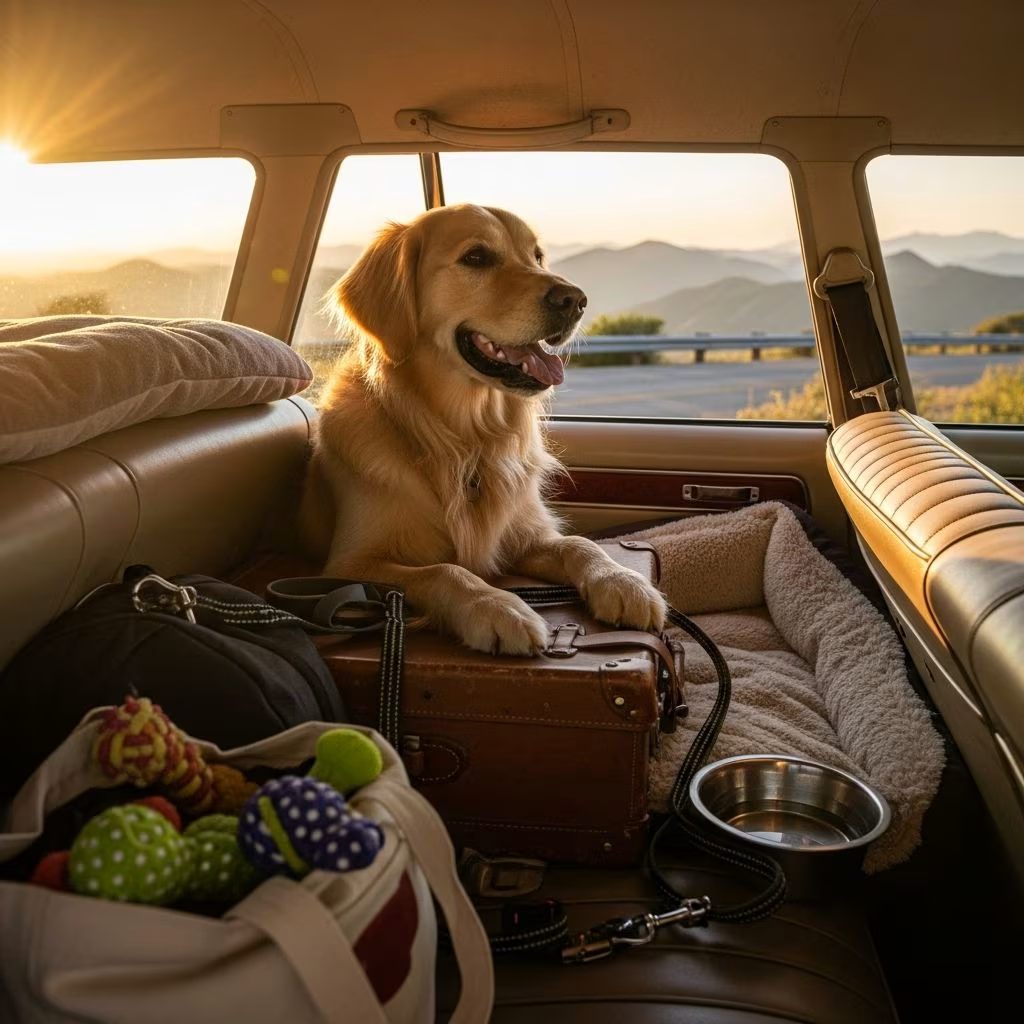
Taking your canine companion on a road trip can be an exciting adventure that strengthens your bond and creates lasting memories together. However, successful travel with dogs requires thoughtful preparation and attention to multiple details that ensure both your safety and your pet’s well-being. Understanding how to properly prepare your dog for extended car journeys transforms what could be a stressful experience into an enjoyable outing for everyone involved.
Pre-Trip Health Assessment and Veterinary Preparation
Before embarking on any road trip with your dog, scheduling a comprehensive veterinary examination is the foundational step in your preparation process. Your veterinarian can assess your dog’s overall health status, identify any underlying conditions that might complicate travel, and ensure all vaccinations are current and appropriate for your destination. This visit provides an opportunity to discuss your specific travel plans and receive personalized recommendations based on your dog’s age, breed, and health profile.
During this appointment, verify that your dog is up-to-date on all preventive medications, including flea, tick, and heartworm prevention. These parasites can pose serious health risks, particularly when traveling to new regions with different environmental conditions. Your veterinarian can recommend the most appropriate preventive products for your journey and ensure they are administered according to the correct schedule.
Request a health certificate from your veterinarian if your travel plans involve crossing state lines or staying in certain accommodations. Many pet-friendly hotels and travel facilities require documentation of your dog’s health status within a specific timeframe. Obtaining this documentation ahead of time eliminates last-minute stress and ensures you have the necessary paperwork readily available throughout your trip.
Essential Documentation and Identification Systems
Proper identification is critical when traveling away from home. Ensure your dog wears a collar with an updated ID tag that includes your current cell phone number and, if applicable, a temporary local address for your destination. This simple measure significantly increases the likelihood of your dog being returned to you should they become separated from you during your travels.
Beyond traditional ID tags, microchipping provides an additional layer of security and permanence. Microchips contain unique identification information that remains with your dog throughout their life, regardless of whether tags are lost or become illegible. Before traveling, contact your microchip provider to confirm that all information associated with your dog’s chip is current and accurate.
Carry digital and printed copies of your dog’s vaccination records, health certificates, and current photographs. These documents prove your dog’s health status when needed and help identify your dog if separation occurs. Store digital copies on your phone and cloud storage for easy access, while keeping printed copies in a dedicated folder within your vehicle.
Establishing Comfort and Security in the Vehicle
Creating a safe and comfortable environment within your vehicle is essential for your dog’s well-being during extended drives. Vehicle safety restraints prevent your dog from becoming a projectile in case of sudden stops or accidents and significantly reduce anxiety during travel. Options include crash-tested crates, seat belt harnesses, or barrier systems designed specifically for dog safety in cars.
Select a restraint system that suits your dog’s size and temperament while ensuring proper ventilation and visibility. A well-secured crate that allows your dog to stand, turn around, and lie down comfortably provides a den-like space that many dogs find reassuring during car rides. Alternatively, a properly fitted harness that connects to your vehicle’s seat belt system offers freedom of movement while maintaining safety.
Line the designated dog area with familiar bedding such as a favorite blanket or dog bed that carries scents from home. Familiar smells provide psychological comfort and help your dog relax during the journey. Consider bringing an additional blanket or towel to protect your vehicle’s interior from dirt, shedding, and potential accidents while maintaining your dog’s comfort.
Install window shades or use sunshades to protect your dog from excessive heat and bright sunlight during daytime driving. Overheating poses a serious health risk to dogs, and UV exposure can make extended travel uncomfortable. Maintaining proper temperature control through air conditioning and strategic window opening ensures your dog remains cool throughout the journey.
Nutrition and Hydration During Travel
Maintaining your dog’s regular diet while traveling prevents digestive upset that could derail your trip and cause discomfort to your pet. Pack sufficient quantities of your dog’s regular food for the entire journey, plus extra supplies to account for unexpected delays or detours. Bringing food from home prevents the stress of locating suitable alternatives if your current brand becomes unavailable at your destination.
Store food in airtight containers that protect against moisture, insect contamination, and odors while maximizing space efficiency. Collapsible silicone bowls save valuable packing space and provide practical solutions for mealtime while traveling. Some models feature carabiners that attach to harnesses or backpacks, allowing convenient feeding during rest stops and outdoor activities.
Hydration requires particular attention during vehicle travel, as dry cabin air and reduced water intake can lead to dehydration. Carry a dedicated water supply and collapsible water bowl, keeping fresh water available throughout your journey. Offer water at regular intervals, though avoid excessive water consumption immediately before driving segments to reduce the need for frequent bathroom breaks.
Timing meals appropriately relative to driving segments helps prevent motion sickness and reduces accidents. Feed your dog a lighter meal approximately three hours before driving to allow adequate digestion without creating stomach discomfort during travel. This timing allows your dog to use the bathroom before departure and reduces the likelihood of digestive distress during vehicle movement.
Managing Travel Anxiety and Motion Sickness
Some dogs experience anxiety or motion sickness during car rides, conditions that can be effectively managed through gradual desensitization and environmental modifications. Begin preparation weeks before your trip by taking progressively longer drives, allowing your dog to acclimate to vehicle movement and the associated sensations. Short, positive driving experiences build confidence and reduce anxiety associated with extended travel.
Natural calming solutions such as pheromone sprays, anxiety wraps, or specialized treats designed to promote relaxation can support anxious travelers. These products work by triggering calming responses without sedation, allowing your dog to remain alert while experiencing reduced stress. Consult with your veterinarian before your trip to determine which approaches suit your dog’s specific needs and temperament.
Environmental modifications within the vehicle also contribute to anxiety reduction. Maintain consistent temperatures, ensure adequate ventilation, and minimize excessive noise that might startle or stress your dog. Some dogs benefit from calming background music or white noise that masks external sounds and creates a soothing auditory environment.
For dogs experiencing significant anxiety or motion sickness, consult your veterinarian about medications that might be appropriate for your specific journey. Anti-nausea medications or short-term anxiety support can transform travel from a stressful experience into a manageable one, particularly for dogs with severe conditions that don’t respond to behavioral or natural interventions.
Strategic Rest Stops and Exercise Opportunities
Planning regular breaks every two to three hours provides essential opportunities for your dog to stretch muscles, eliminate waste, and burn off accumulated energy. Research dog-friendly rest areas, parks, and pet-friendly establishments along your route before departing to ensure you know where safe exercise opportunities exist. Apps like BringFido help locate pet-friendly parks, outdoor dining venues, and attractions that welcome dogs throughout your intended route.
Thoroughly exercise your dog before driving segments to encourage relaxation and napping during vehicle time. A well-exercised dog is typically calmer, more compliant, and less prone to anxiety or destructive behaviors during travel. Plan active rest stops that allow vigorous play or extended walks to expend energy effectively.
During bathroom breaks, always use a leash and harness to maintain control in unfamiliar environments where escape risks increase. Rest areas can be unpredictable, with other animals, vehicles, and human activity potentially creating hazardous situations. Maintaining a secure grip on your dog prevents accidents and ensures their safety during these critical breaks.
Comprehensive Packing Essentials
Beyond food and water, numerous items contribute to your dog’s comfort, safety, and health during road trips. A well-stocked first aid kit containing bandages, antiseptic wipes, tweezers, and any prescription medications your dog regularly takes addresses minor injuries and health concerns. Include a digital thermometer and emergency veterinary contact information for your destination to facilitate quick decision-making should health concerns arise.
Pack an extra collar, leash, and harness in case primary equipment becomes damaged, lost, or worn during your journey. Multiple leash options provide flexibility for different situations, from standard leashes for neighborhood exploration to retractable leashes for open park environments. Having backup equipment ensures you’re never without essential control tools.
Bring favorite toys, treats, and chew items to keep your dog mentally engaged and occupied during extended driving segments. Novel toys introduced during the trip provide novelty and excitement, while familiar toys offer comfort and security. High-value treats serve as rewards for good behavior and help redirect attention during challenging moments.
Grooming supplies including brushes, combs, nail clippers, and dog-specific wipes maintain your dog’s appearance and comfort throughout your journey. These items address shedding, matting, nail growth, and general cleanliness, particularly important if your trip spans multiple days or involves outdoor activities where dirt accumulation occurs.
Pack cleaning supplies to address accidents or unexpected messes within your vehicle or accommodations. A designated tote bag containing paper towels, disinfecting wipes, enzymatic cleaners, and waste bags enables quick, effective cleanup that prevents odors and maintains cleanliness. Being prepared for accidents eliminates the stress of managing unexpected situations without appropriate supplies.
Weather-Appropriate Gear and Clothing
Depending on your destination climate, pack weather-appropriate clothing and protective gear for your dog. Rain jackets protect short-haired breeds from moisture and cold temperatures, while lightweight sleeping bags provide warmth for camping trips in cooler climates. Dog boots protect sensitive paws from hot pavement, sharp objects, and extreme cold while improving traction on slippery surfaces.
For dogs traveling to high-altitude destinations or significantly different climates, gradual acclimatization helps prevent stress-related illness. Pack items that modify your dog’s comfort level incrementally rather than exposing them to extreme environmental changes suddenly. Portable shade structures, portable water bowls, and weather-specific clothing support your dog’s adaptation to new climates.
Selecting Pet-Friendly Accommodations
Before booking overnight accommodations, confirm that your selected lodging accepts dogs and understand their specific policies regarding pets. Some facilities impose additional fees, size restrictions, or rules about leaving dogs unattended in rooms. Communicating directly with the establishment clarifies expectations and prevents frustrating surprises upon arrival.
Request information about nearby amenities such as pet relief areas, parks, and veterinary services located near your accommodations. Knowing these details ahead of time allows you to plan exercise breaks and locate emergency services quickly if needed. Some accommodations provide dog-specific amenities like food bowls, beds, or designated relief areas that enhance your dog’s comfort during stays.
Frequently Asked Questions About Dog Road Trips
How often should I stop to let my dog out during long drives?
Plan bathroom and exercise breaks every two to three hours to allow your dog to relieve themselves, stretch muscles, and burn energy. More frequent breaks may be necessary for puppies, senior dogs, or those with medical conditions requiring frequent bathroom access.
What temperature is safe for dogs in cars?
Dogs can quickly overheat in vehicles, with interior temperatures rising dangerously within minutes on warm days. Maintain interior temperatures below 70°F through air conditioning, and never leave your dog unattended in parked vehicles. Watch for signs of overheating including excessive panting, drooling, and lethargy.
Should I sedate my dog for road trips?
Sedation should only be considered as a last resort for dogs with severe anxiety that doesn’t respond to behavioral or natural interventions. Consult your veterinarian about appropriate options specific to your dog’s needs rather than attempting over-the-counter solutions without professional guidance.
How do I prevent my dog from getting carsick?
Feed smaller meals three hours before driving, ensure adequate ventilation, maintain stable temperatures, and gradually acclimate your dog to vehicle travel through short practice trips. Natural supplements and veterinarian-prescribed medications can support sensitive dogs.
What should I do if my dog escapes during a rest stop?
Always use a secure leash and harness during rest stops to prevent escapes. Carry recent photographs of your dog and know the location of local animal shelters and veterinary clinics. Keep your dog’s microchip information current and verify that ID tags display your cell phone number.
References
- The Ultimate Travel Checklist for Dog Owners — Woof. Accessed February 2026. https://mywoof.com/blogs/articles/the-ultimate-travel-checklist-for-dog-owners
- The Ultimate Road Trip Checklist for Your Dog — Travel Pockets. Accessed February 2026. https://www.thetravelpockets.com/new-blog/ultimate-packing-checklist-for-your-dogs-road-trip
- The Complete Dog Travel Checklist — Continental Kennel Club. 2025. https://ckcusa.com/blog/2025/july/the-complete-dog-travel-checklist/
- Travel check list and packing list — Dog Jaunt. Accessed February 2026. https://www.dogjaunt.com/guides/travel-check-list-and-packing-list/
- The Ultimate Dog Packing List — What to Pack for Your Pet — Eagle Creek. Accessed February 2026. https://eaglecreek.com/blogs/articles/ultimate-dog-packing-list-what-to-pack-for-your-pet



