

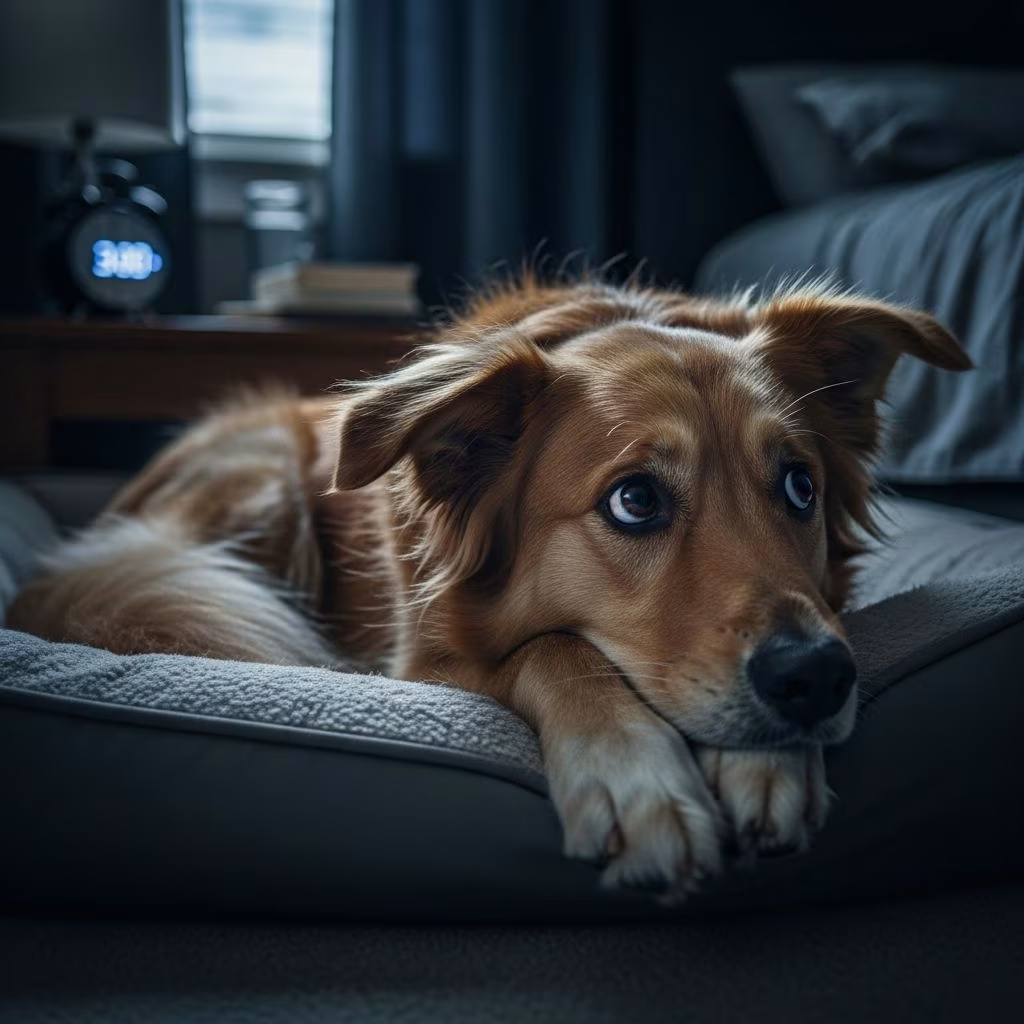
Your dog should be curling up peacefully when the lights dim, but if they’re pacing, whining, or unable to settle, it disrupts everyone’s sleep. Nighttime restlessness often signals underlying issues ranging from simple lifestyle factors to serious health concerns. Understanding these can help you restore tranquility to your home.
Recognizing Signs of Nighttime Unease in Dogs
Spotting the problem early is key. Common indicators include constant pacing around the room, heavy panting without exertion, frequent whining or barking, inability to stay in one spot for long, and attempts to escape the sleeping area. These behaviors differ from normal brief awakenings; persistent agitation suggests distress.
- Pacing patterns: Back-and-forth walking or circling endlessly.
- Vocal cues: Whimpering, growling, or alert barking at nothing.
- Physical signs: Panting, trembling, drooling, or hiding.
- Associated habits: More daytime sleeping or sudden night wake-ups.
Tracking these over a few nights via notes or video helps identify triggers. If symptoms worsen or pair with lethargy, appetite loss, or limping, seek veterinary care promptly.
Everyday Factors Disrupting Your Dog’s Sleep
Not all restlessness stems from illness; daily routines play a big role. Dogs thrive on consistency, and deviations can unsettle their internal clocks.
Inadequate Daily Activity Levels
Dogs with unmet exercise needs build excess energy, leading to nighttime hyperactivity. A sedentary day might result in 2 a.m. zoomies or relentless wandering. Aim for at least 30-60 minutes of vigorous play daily, adjusted for breed and age. Mental puzzles like treat-dispensing toys also tire the mind, promoting deeper sleep.
Room Temperature and Comfort Challenges
Overheating exacerbates panting and movement. Ideal sleeping temps range from 68-72°F (20-22°C); puppies and seniors struggle more with extremes. Provide cooling mats, fans, or elevated beds. Thick fur traps heat, so summer grooming helps.
Diet Timing and Nutritional Imbalances
Late meals cause digestive rumbling or urgent bathroom needs. Feed dinner 3-4 hours before bed, avoiding high-fat treats that spark energy surges. Food allergies might trigger itching or gut upset, mimicking restlessness—switch to hypoallergenic kibble if suspected.
| Factor | Impact on Sleep | Quick Fix |
|---|---|---|
| Lack of Exercise | Pent-up energy causes pacing | Evening walks + puzzle toys |
| High Room Temp | Panting and discomfort | Cooling bed + ventilation |
| Late Feeding | Stomach upset or potty urges | Earlier dinner schedule |
Emotional and Behavioral Contributors
Dogs experience stress like humans, often peaking at night when alone or in quiet.
Separation and Environmental Anxiety
New homes, absent family members, or storms provoke fear. Symptoms include following you to bed, crate refusal, or destruction. Calming aids like pheromone diffusers or thunder shirts soothe nerves. Gradual alone-time training builds confidence.
Noise Sensitivity and Phobias
Fireworks, traffic, or creaking houses amplify alertness. White noise machines mask sounds; desensitization via recorded noises at low volumes works long-term.
Observe patterns: Does it coincide with garbage trucks or rain? Addressing root stressors prevents escalation.
Age-Specific Sleep Disruptions
Puppies need frequent potty breaks due to tiny bladders; limit water post-7 p.m. and crate train for containment. Seniors face amplified issues from wear-and-tear.
Challenges in Older Dogs
Canine cognitive dysfunction (CCD), akin to dementia, reverses sleep cycles, causing “sundowning”—increased confusion post-sunset. Vision/hearing loss adds disorientation, prompting wandering. Arthritis stiffens joints, making positions painful. CCD affects up to 28% of dogs over 11 years; early meds and supplements like omega-3s manage it.
- CCD signs: Staring at walls, house soiling, altered interactions.
- Management: Consistent routines, night lights, vet-prescribed antioxidants.
Health Conditions Behind Persistent Restlessness
When lifestyle tweaks fail, medical evaluation is essential. Pain masks as agitation; subtle cues like guarded posture reveal it.
Musculoskeletal and Injury-Related Pain
Arthritis inflames joints, worsening when lying down. Injuries from slips cause limping avoidance at night. Vets prescribe NSAIDs or joint supplements; ramps aid mobility.
Cardiac and Respiratory Problems
Heart disease strains breathing, causing cough-pant cycles even at rest. Respiratory infections or brachycephalic breeds (e.g., Bulldogs) struggle more. Blue-tinged gums signal emergency oxygen needs.
Endocrine Disorders Like Cushing’s
Excess cortisol leads to thirst, hunger, and pot-bellies, with heavy panting. Common in seniors; blood tests confirm, steroids treat.
Urinary and Gastrointestinal Distress
Infections prompt frequent outs; UTIs burn during holds. Bloating or IBD ferments food, causing gas pains. Diet trials and antibiotics resolve many cases.
| Condition | Symptoms | Vet Action |
|---|---|---|
| Heart Disease | Coughing, fatigue post-short walks | Echo, meds |
| Cushing’s | Thirst, hair loss, panting | Bloodwork, hormone therapy |
| Arthritis | Stiffness, reluctance to rise | X-rays, pain relief |
| CCD | Disorientation, reversed sleep | Neurological exam, supplements |
Step-by-Step Guide to Restoring Nighttime Calm
- Establish Routine: Fixed feed, play, and bed times signal sleep.
- Optimize Environment: Dark, cool, quiet space with familiar bedding.
- Boost Daytime Engagement: Walks, training, chews exhaust energy.
- Monitor Intake: No water after 8 p.m.; bland diets if GI suspected.
- Use Calming Tools: CBD treats (vet-approved), anxiety wraps.
- Final Potty Run: Last outing 30 mins before bed.
For seniors, add joint chews and cognitive diets. Track progress weekly.
When to Consult a Veterinarian Urgently
Red flags: Sudden onset, blood in urine/stool, collapse, seizures, or breathing distress. Routine check-ups catch brewing issues; blood panels screen for thyroid, kidneys. Never medicate without guidance—human painkillers toxify dogs.
Frequently Asked Questions
Why is my dog suddenly restless at night?
Sudden changes often tie to pain, new stressors, or infections. Note diet/household shifts for clues.
Can diet cause my dog to pace at night?
Yes—late, rich foods upset stomachs or energize. Shift to earlier, balanced meals.
Is nighttime panting always serious?
Not if brief and heat-related, but persistent cases link to heart/lung issues needing checks.
How much exercise stops nighttime zoomies?
30-90 minutes daily, mixing cardio and brain games, tailored to age/breed.
Does age make dogs more restless sleepers?
Absolutely; seniors battle pain and cognition decline, mimicking human insomnia.
Long-Term Strategies for Better Canine Sleep
Prevent recurrence with annual senior wellness exams post-7 years, weight management to ease joints, and enriched days. Melatonin supplements aid some, per vet. Patient tweaks yield lasting peace—your vigilance ensures their comfort.
References
- Why is my dog panting or feeling restless at night? — Scottsdale Ranch Animal Hospital. 2022-04-14. https://www.srah.com/site/blog/2022/04/14/dog-panting-restless-night
- Dog Restless at Night: 7 Causes and Fixes (Vet Reviewed) — Maven Pet. N/A. https://maven.pet/all-about-pets/pet-health/dog-behaviors/dog-restless-at-night/
- Why is my dog panting at night? — Madison Park Veterinary Hospital. 2024-05-15. https://www.madisonparkvet.com/site/blog/2024/05/15/dog-panting-restless-night
- Nighttime Restlessness in Dogs | Causes & Solutions — Lolahemp. N/A. https://lolahemp.com/blogs/dog-health/restless-dog-at-night
- Why Is My Senior Dog Pacing and Restless at Night? — The Farmer’s Dog. N/A. https://www.thefarmersdog.com/digest/senior-dog-pacing-restless-night/



