

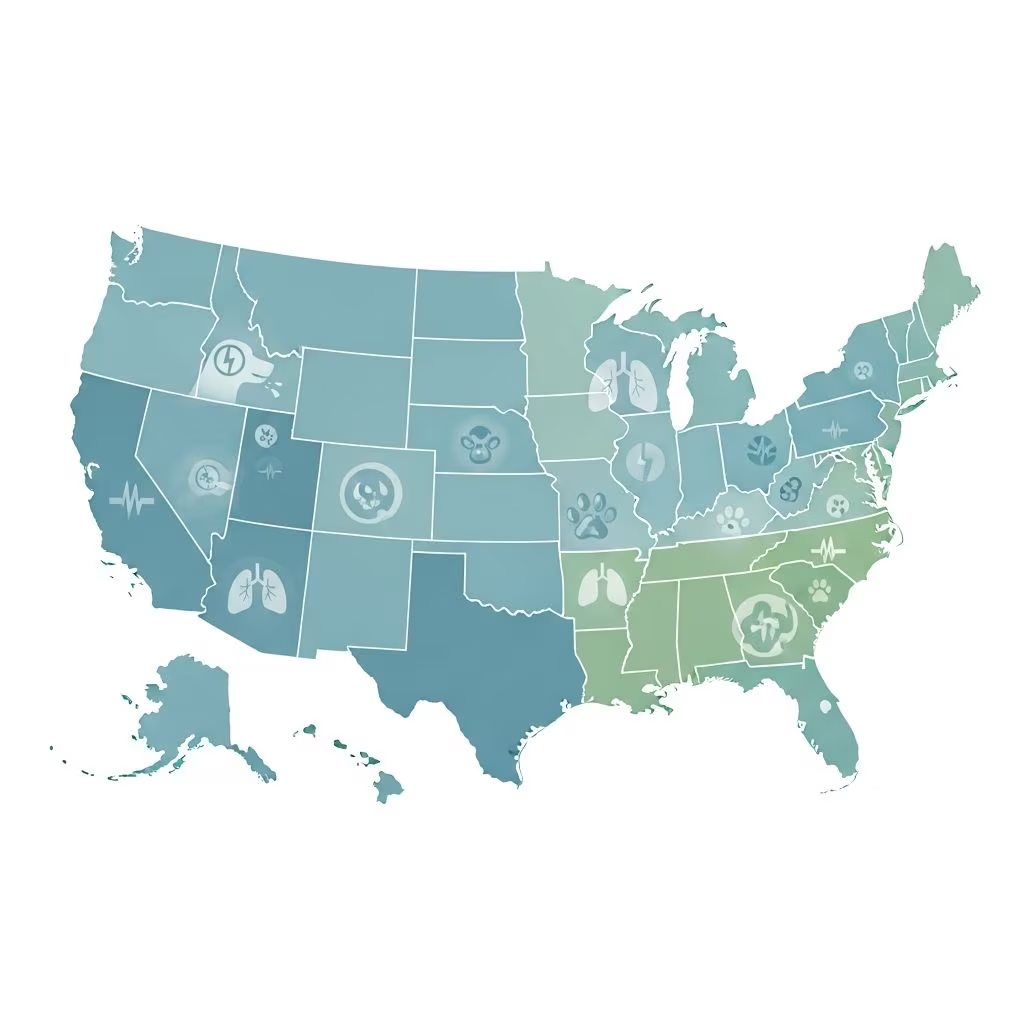
Canine respiratory viruses, often manifesting as kennel cough or more severe infections like pneumonia, have surged across the U.S. Symptoms include coughing, sneezing, nasal discharge, fever, lethargy, and breathing difficulties. This guide covers causes, symptoms, state-specific outbreaks, diagnosis, treatment, prevention, and FAQs to help dog owners respond effectively.
What Is a Dog Respiratory Virus?
Dog respiratory viruses cause infections in the upper or lower respiratory tract, leading to conditions like infectious respiratory disease complex ( kennel cough), canine influenza, or pneumonia. These are highly contagious, spreading via aerosols, direct contact, or fomites in places like dog parks, kennels, and shelters. While most cases are self-limiting, complications can arise, especially in puppies, seniors, or immunocompromised dogs.
Common pathogens include viruses (canine parainfluenza, adenovirus, influenza, distemper), bacteria (Bordetella bronchiseptica), and occasionally fungi or parasites. Recent outbreaks feature unknown etiology with prolonged symptoms unresponsive to standard treatments.
Symptoms of Dog Respiratory Virus
Early detection is crucial. Watch for:
- Harsh, honking cough: Often the first sign, worsening with excitement or exercise.
- Sneezing and nasal discharge: Clear initially, turning mucopurulent in bacterial cases.
- Eye discharge and conjunctivitis: Common with viral involvement.
- Fever (>101.5°F/38.6°C): Indicates infection.
- Lethargy and loss of appetite: Signals severity, possibly pneumonia.
- Labored breathing or tachypnea: Emergency signs requiring immediate vet care.
Severe cases may progress to pneumonia with productive cough, weakness, and dehydration.
Dog Respiratory Virus by State: Outbreak Tracker
Outbreaks have been reported nationwide, with varying severity. Track local risks, as incubation can be long, complicating tracing. Below is a state-by-state summary based on recent veterinary reports (as of early 2026).
| State | Outbreak Status | Common Symptoms | Notes |
|---|---|---|---|
| California | High | Prolonged cough, pneumonia | Shelter outbreaks; some fatalities. |
| Colorado | Active | Cough lasting weeks-months | Minimal treatment response. |
| Florida | Moderate | Nasal discharge, fever | Kennel-related. |
| New York | High | Sneezing, lethargy | Daycare clusters. |
| Texas | Emerging | Honking cough, eye discharge | Recent spikes. |
| Other States (e.g., IL, PA, WA) | Scattered | Variable | Monitor local vets. |
Check with state agriculture departments or AVMA for updates. Oregon and Colorado report severe cases negative for common pathogens.
Causes of Canine Respiratory Infections
Multifactorial causes include:
- Viruses: Canine influenza, parainfluenza, adenovirus, distemper, coronavirus, herpesvirus.
- Bacteria: Bordetella (kennel cough), secondary invaders.
- Fungi: Blastomycosis, histoplasmosis in endemic areas.
- Other: Parasites, irritants like smoke.
Co-infections are common, with distemper predisposing to others due to immunosuppression. Recent mystery cases test negative for known agents.
Diagnosis: Tests for Respiratory Virus in Dogs
Vets use:
- Physical exam and history.
- Canine respiratory panel PCR: Detects viruses/bacteria.
- Tracheal wash cytology/bacterial culture: Identifies pathogens.
- Radiographs: Checks for pneumonia.
- Bloodwork: Rules out systemic issues.
Prompt testing prevents spread.
Treatment for Dog Respiratory Infections
Treatment is supportive for viruses; targeted for bacteria:
- Antibiotics: Doxycycline or Clavamox for bacterial/secondary infections.
- Anti-inflammatories/NSAIDs: Reduce fever, inflammation.
- Cough suppressants/bronchodilators: Symptom relief.
- Supportive care: Hydration, nebulizers, humidifiers, rest.
- Hospitalization: Oxygen, IV fluids for pneumonia.
Duration: 1-3 weeks; chronic cases may need ongoing management. Holistic options like immune-boosting diets under vet guidance.
Recovery and Home Care
Monitor recovery:
- Ensure rest and isolation (7-14 days).
- Use humidifiers/steam for airways.
- Feed soft, nutritious food; encourage hydration.
- Follow-up visits essential.
Full recovery typical in mild cases; pneumonia may linger.
Prevention: Vaccines and Best Practices
- Vaccines: Core for distemper/parainfluenza; Bordetella/influenza for high-risk dogs.
- Avoid high-risk areas: During outbreaks.
- Hygiene: Clean toys, limit contact.
- Boost immunity: Balanced diet, probiotics.
Frequently Asked Questions (FAQs)
Q: How long does a dog respiratory infection last?
A: Typically 1-3 weeks with treatment; cough may persist longer in outbreaks.
Q: Can dogs recover without antibiotics?
A: Yes, for viral cases with supportive care; antibiotics needed for bacterial.
Q: Is dog respiratory virus contagious to humans?
A: No, species-specific.
Q: When is it an emergency?
A: Labored breathing, high fever, severe lethargy—seek vet immediately.
Q: How to prevent kennel cough?
A: Vaccinate, avoid crowds, practice hygiene.
References
- Respiratory Infection In Dogs: Symptoms & Management — Dogs Naturally Magazine. 2023. https://www.dogsnaturallymagazine.com/5-ways-to-manage-respiratory-infection-in-dogs/
- Dog Respiratory Illness: Recognizing Symptoms and Seeking Care — Lane Animal Hospital. 2023. https://lanevet.com/blog/dog-respiratory-illness/
- Canine Viral Respiratory Infections — PMC / NIH. 2020-04-07. https://pmc.ncbi.nlm.nih.gov/articles/PMC7152112/
- Respiratory Illnesses In Dogs — Trudell Animal Health. 2023. https://trudellanimalhealth.com/blogs/blog/respiratory-illnesses-in-dogs
- What Dog Owners Need to Know About Canine Respiratory Infections — AAHA. 2023. https://www.aaha.org/resources/what-dog-owners-need-to-know-about-canine-respiratory-infections/
- Dog Flu (Canine Influenza): Symptoms and Treatment — PetMD. 2023. https://www.petmd.com/dog/conditions/respiratory/dog-flu-canine-influenza-dogs
- Canine Infectious Respiratory Disease Complex (Kennel Cough) — AVMA. 2023. https://www.avma.org/resources-tools/pet-owners/petcare/canine-infectious-respiratory-disease-complex-kennel-cough



